
I watched water collect near the walkway, spill into garden beds, and disappear into the soil in some spots while pooling stubbornly in others. Instead of seeing it as a problem, I started wondering if I could actually work with it, not against it. That shift in thinking turned into a full afternoon of experimenting, moving soil around, adding small channels, and just observing what happened next. By the end of the day, the yard didn’t just look better—it felt smarter.
As I kept exploring, I realized rain scaping isn’t about complicated systems or expensive upgrades, it’s about understanding how water naturally flows and using that to your advantage. The beauty of it is how practical it feels—less watering, less waste, and a yard that actually supports itself in a more balanced way. I started noticing how certain plants thrived with just rainwater, how small changes in elevation made a big difference, and how much more relaxed everything looked when it followed a natural rhythm. It’s not about forcing a perfect design; it’s about letting your space work with the environment.
Now, I see every rainfall as part of the design process, not something to manage or fix. A low water yard doesn’t mean sacrificing beauty—it means creating something that feels intentional, efficient, and honestly kind of effortless. If your yard has ever felt like it’s working against you, rain scaping might be the shift you didn’t know you needed. With a few simple ideas, you can turn rain into your best resource and create a space that looks amazing while using less water. Let’s get into some ideas that make that happen.
1. Create a Simple Rain Garden Basin
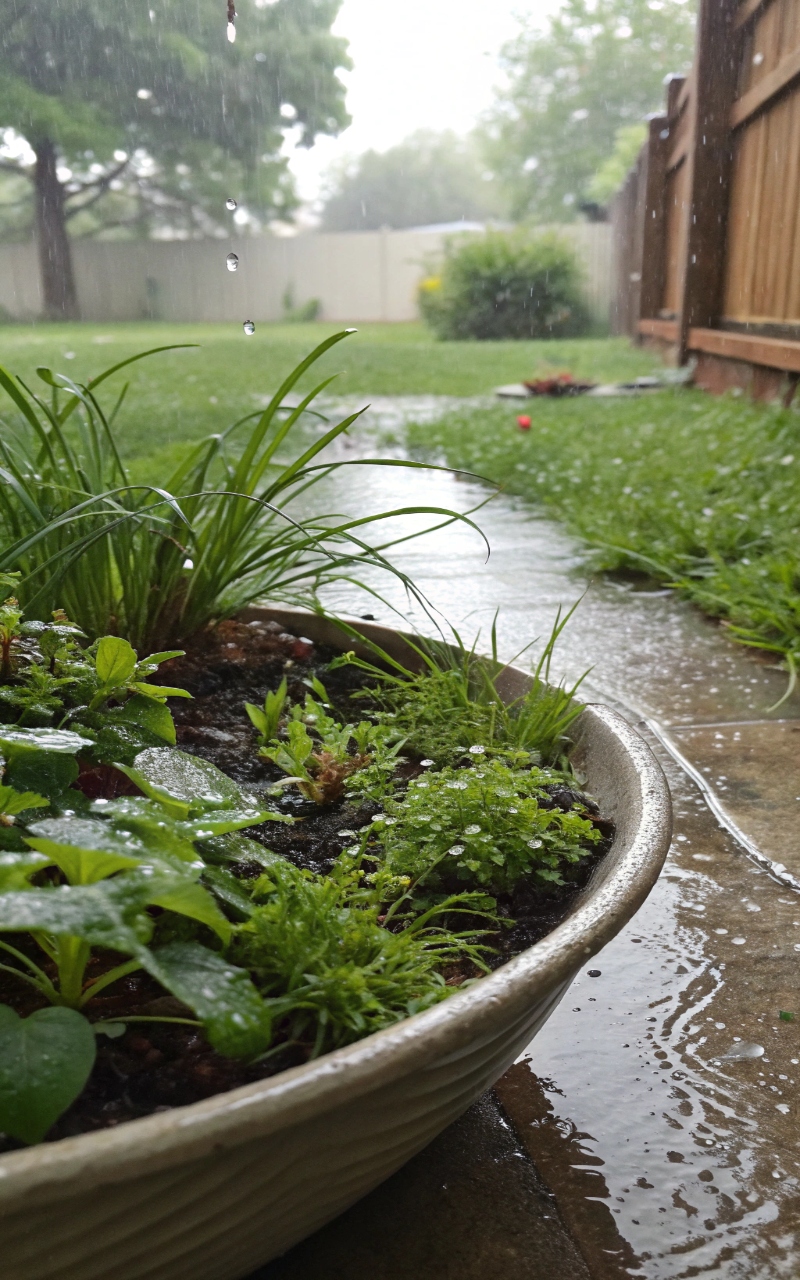
I carved out a shallow dip in one corner of my yard where water naturally collected, planted it with moisture-loving plants, and suddenly that once-muddy area became one of the most vibrant spots. The basin catches runoff and lets it slowly soak into the ground instead of pooling awkwardly. It feels intentional, like the yard knows exactly where water should go. The plants thrive without extra watering, which makes everything feel low-effort in the best way. Isn’t it wild how a small dip can completely change the flow of your space? Pro Tip: Choose native plants that handle both wet and dry conditions.
2. Use Gravel Channels for Drainage
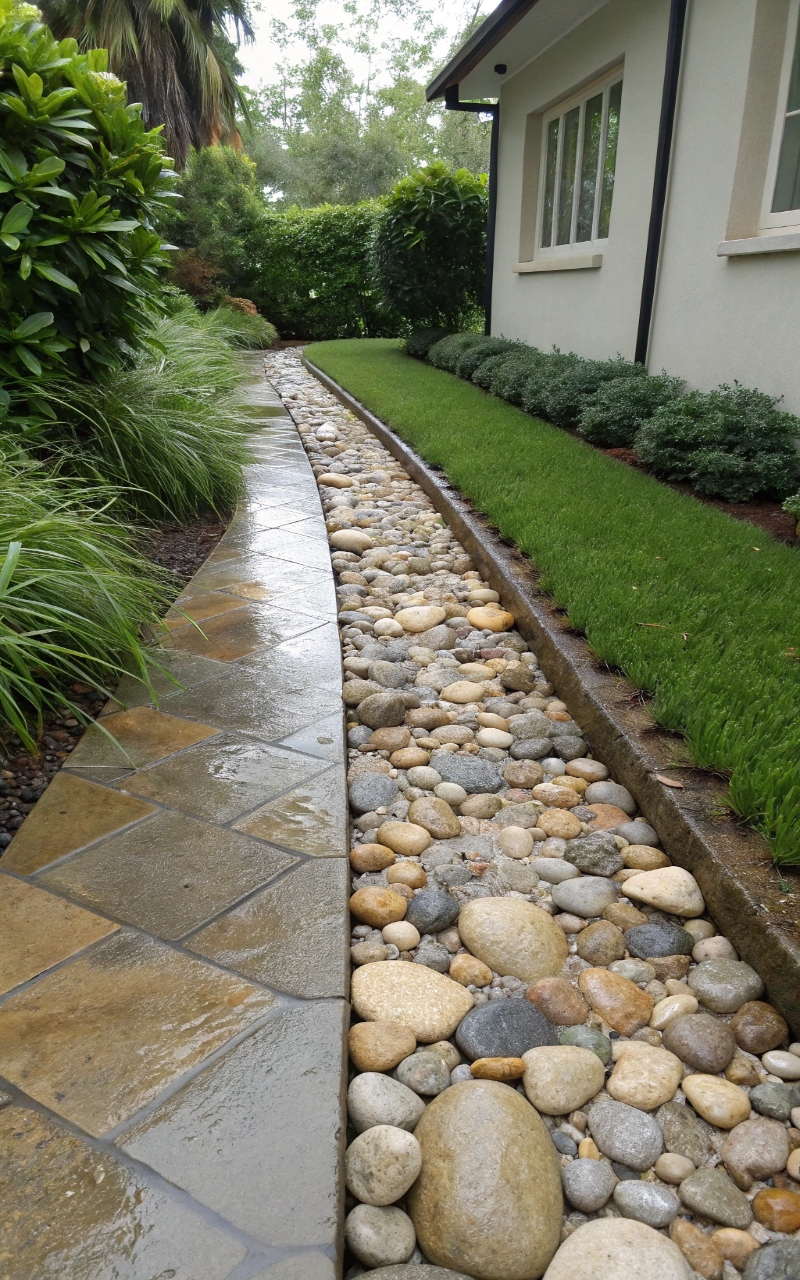
I added a narrow gravel path where water used to run after rain, and it instantly turned messy runoff into something that looked designed. The stones guide water naturally while preventing erosion, and the texture adds a clean, modern touch. It’s one of those upgrades that feels subtle but makes a big difference. Plus, the sound of water moving through gravel during rain is oddly calming. It’s functional and aesthetic at the same time. Pro Tip: Line the channel with landscape fabric to keep weeds from growing through.
3. Install a Rain Barrel System
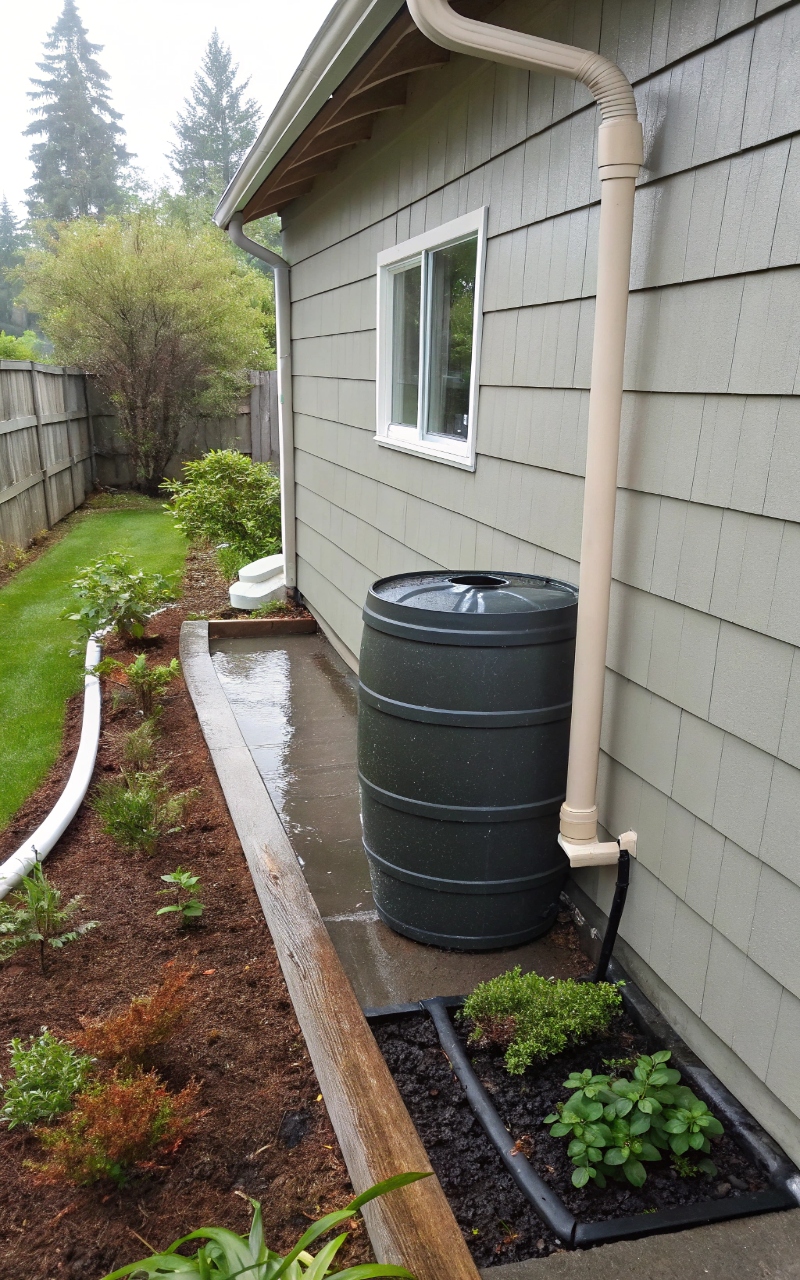
Catching rainwater from your roof and storing it in a barrel completely changed how I approached watering plants. Instead of relying on a hose, I started using collected rainwater, and it felt like a smarter, more sustainable loop. The setup doesn’t have to be complicated, and once it’s in place, it kind of runs itself. It’s practical, efficient, and surprisingly satisfying to use. Why let all that water go to waste? Pro Tip: Add a spigot near the bottom for easy access.
4. Build Raised Berms to Direct Water
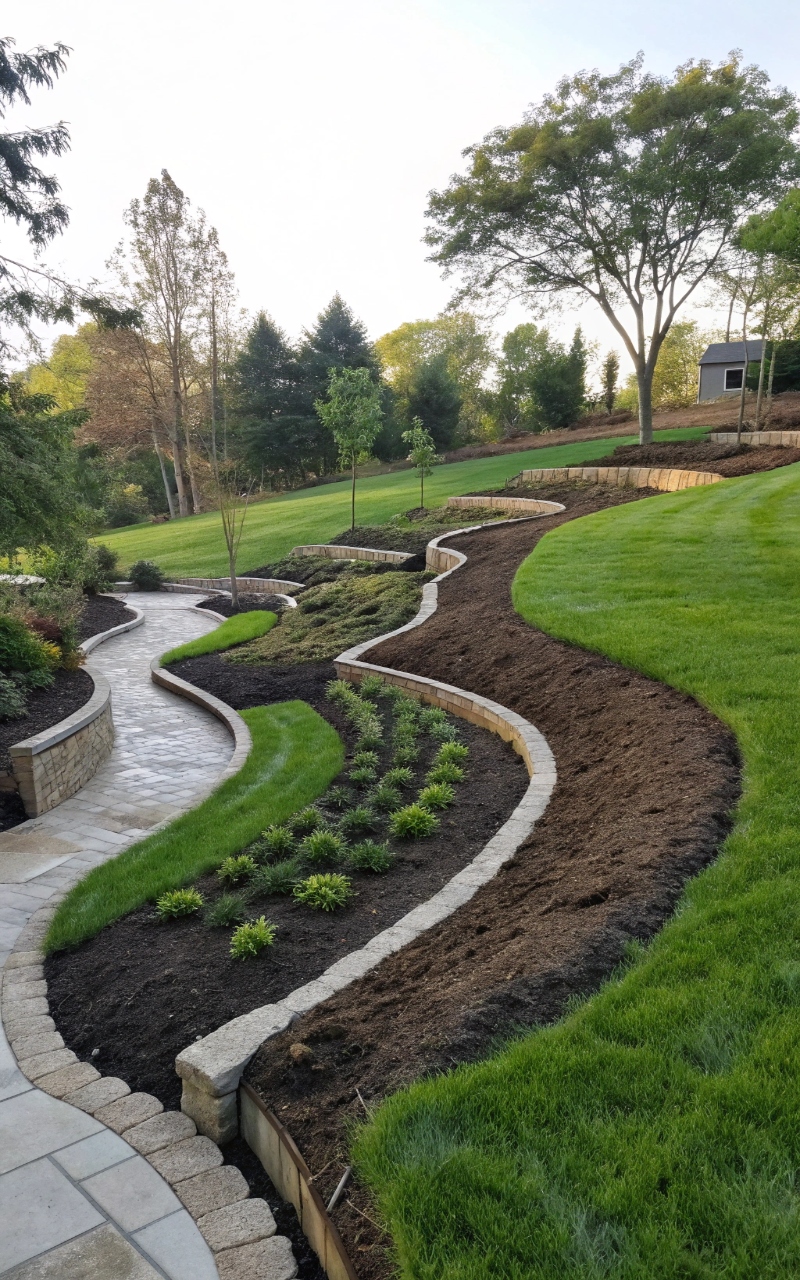
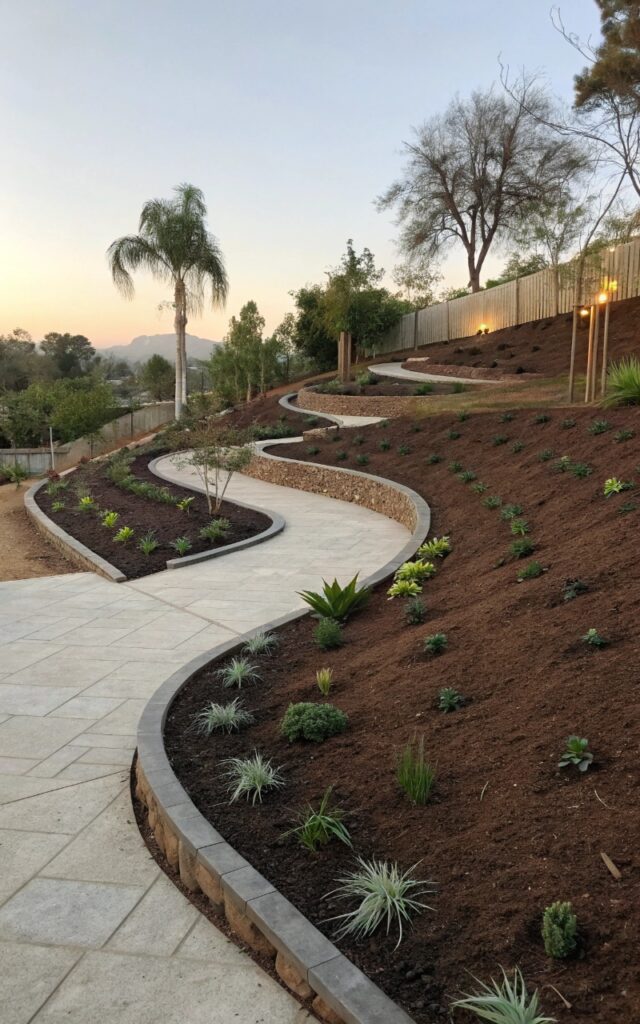
I shaped small raised areas of soil to gently guide water toward certain parts of the yard, and it worked better than expected. The berms create a natural flow without needing pipes or drains. It’s like giving water a path to follow instead of letting it spread randomly. The added elevation also brings visual interest to the landscape. It’s simple, but it makes everything feel more structured. Pro Tip: Compact the soil firmly so berms hold their shape.
5. Add Mulch to Retain Moisture
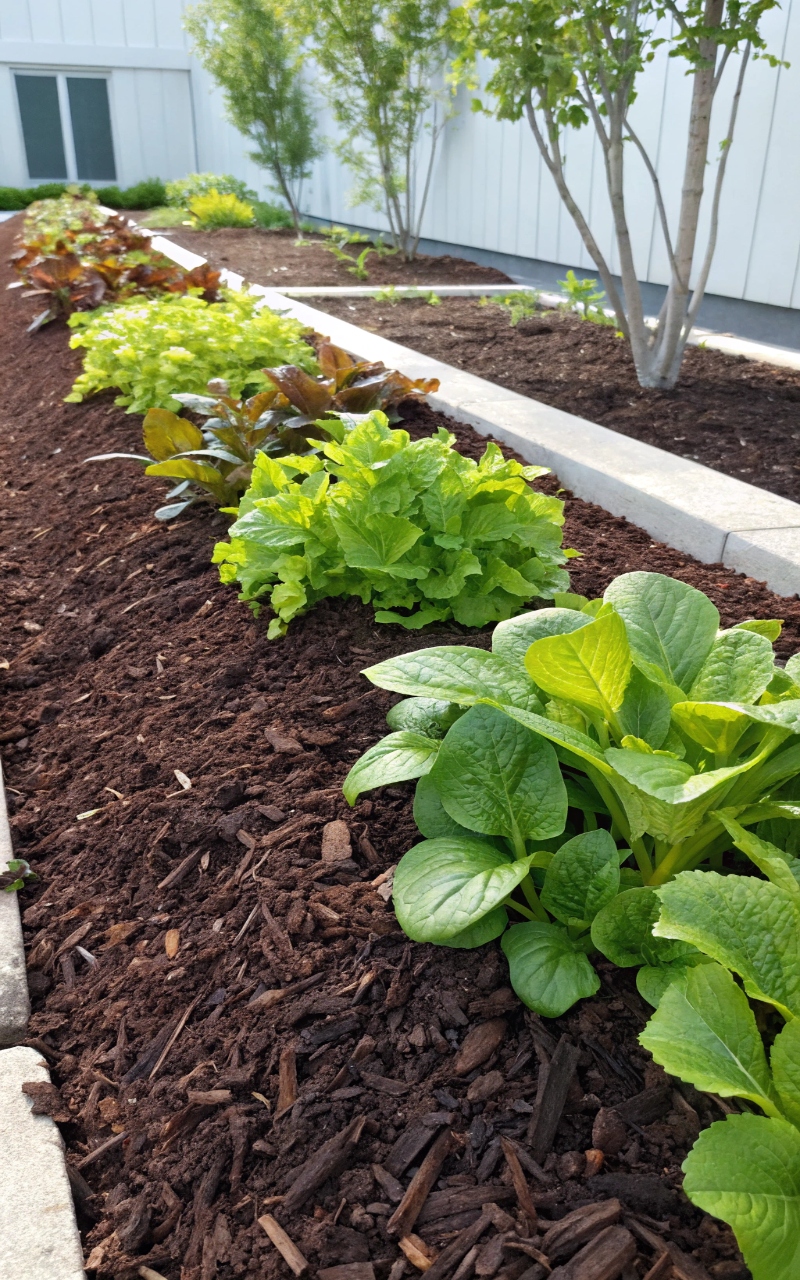
Spreading mulch around plants helped lock in moisture after rainfall, reducing the need for constant watering. The soil stays cooler, and plants look healthier overall. It’s one of the easiest changes you can make with noticeable results. The texture also gives garden beds a finished, polished look. Honestly, it’s a no-brainer upgrade. Pro Tip: Use organic mulch so it breaks down and enriches the soil over time.
6. Use Permeable Pavers for Pathways
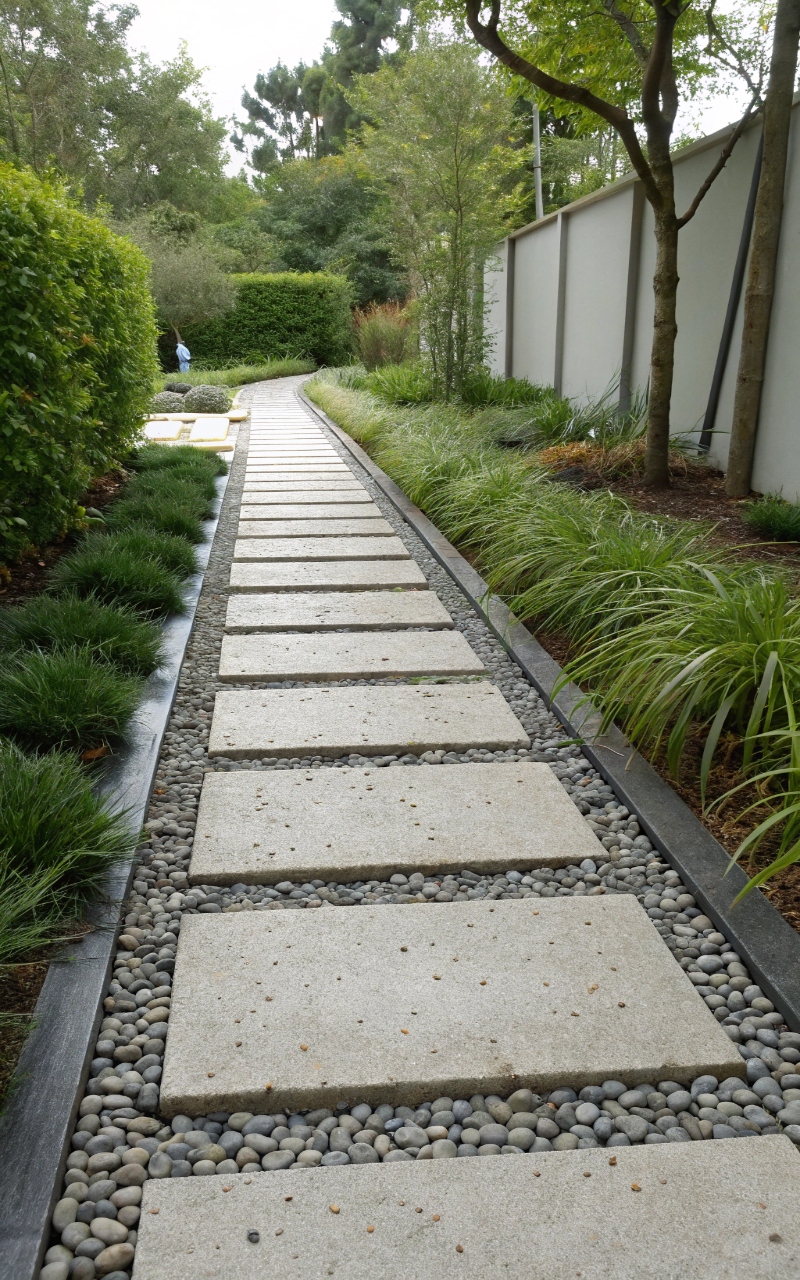
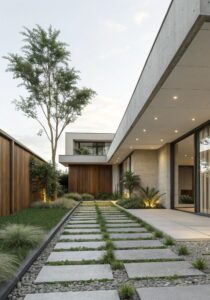
Switching to permeable pavers allowed rainwater to seep into the ground instead of running off into unwanted areas. The path still feels solid underfoot, but it works with the environment instead of against it. It’s a subtle change that improves drainage while keeping things stylish. The balance between function and design just works. Doesn’t it feel good when something looks great and solves a problem? Pro Tip: Fill gaps with sand or gravel to enhance permeability.
7. Plant Drought-Tolerant Landscaping
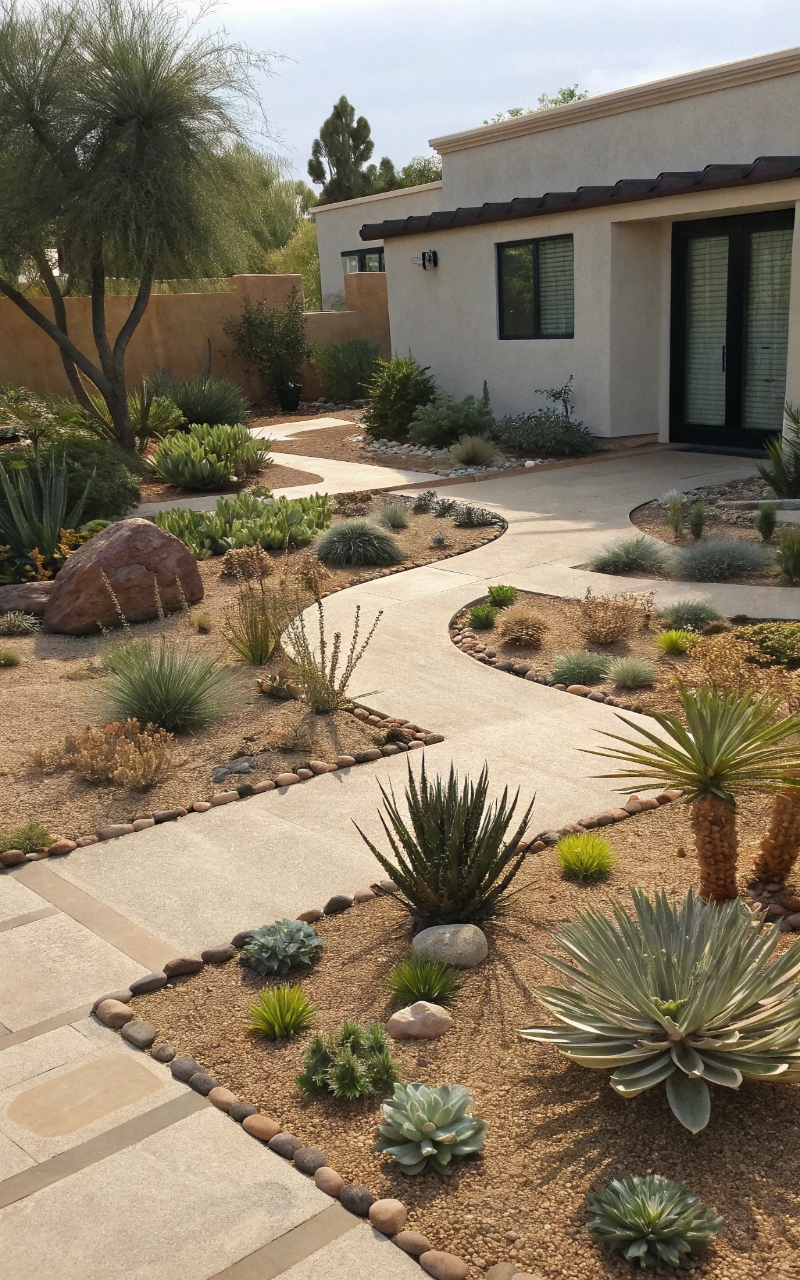
I started choosing plants that don’t need constant watering, and it completely changed how much maintenance the yard required. These plants thrive on natural rainfall and adapt easily to changing conditions. The garden still looks full and vibrant, just without the extra effort. It’s a shift that feels both practical and freeing. Why work harder when your plants can do the job themselves? Pro Tip: Group plants with similar water needs together.
8. Create a Dry Creek Bed Feature
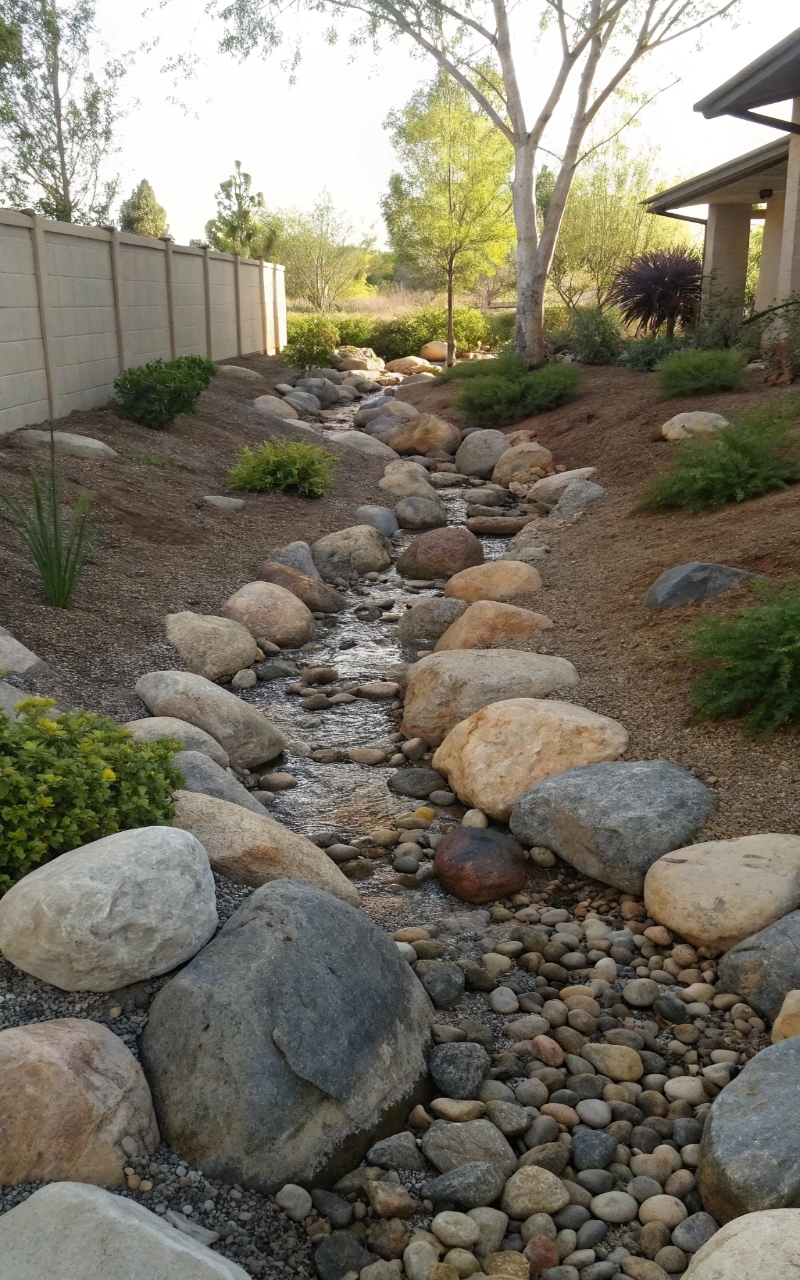
Designing a dry creek bed with stones gave my yard a natural focal point that also directs water during heavy rain. When it rains, it actually looks like a flowing stream, which adds a dynamic element to the space. When it’s dry, it still looks intentional and decorative. It’s one of those features that feels both functional and artistic. Honestly, it’s such a vibe when it all comes together. Pro Tip: Use a mix of stone sizes for a more realistic look.
9. Add Ground Cover Plants
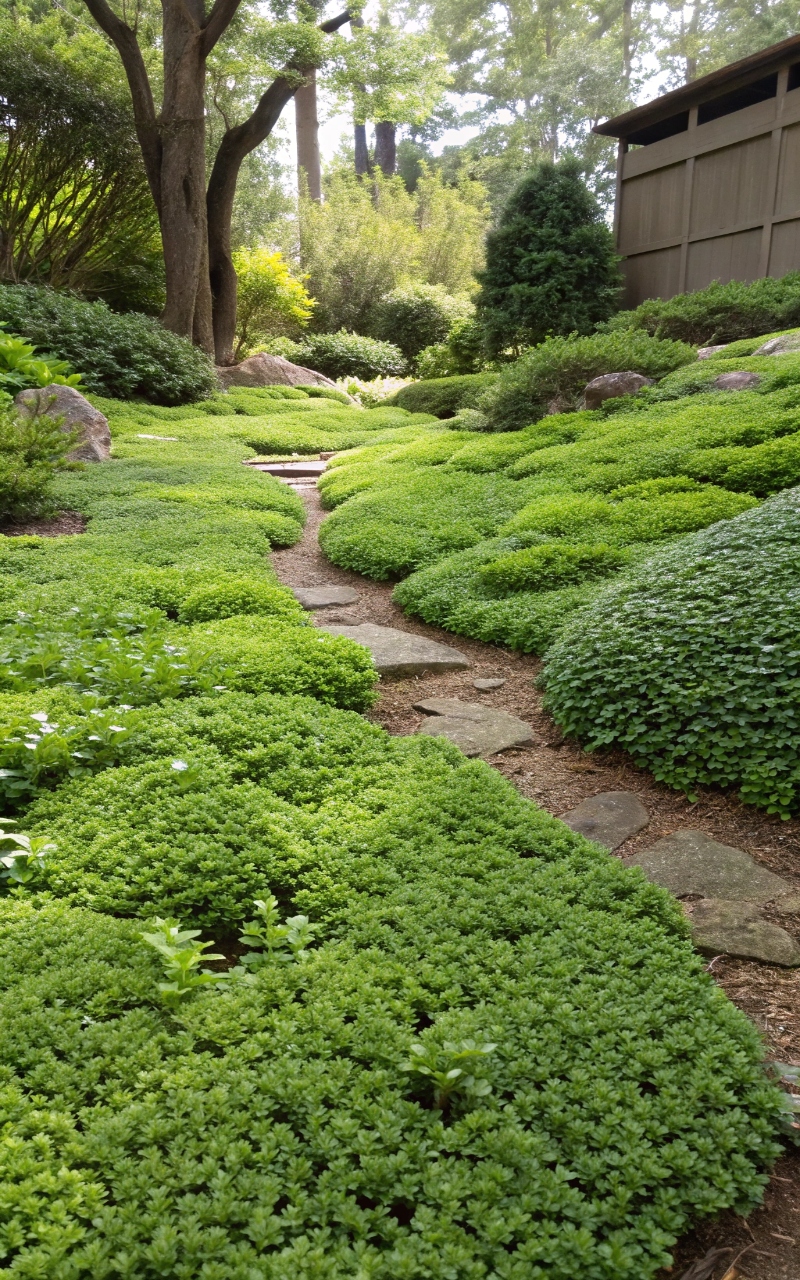
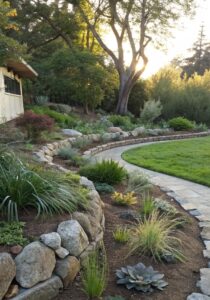
Replacing bare soil with ground cover plants helped reduce runoff and keep moisture in the ground longer. The greenery spreads naturally, creating a soft, cohesive look across the yard. It’s low-maintenance and visually calming at the same time. The plants do the work while you enjoy the result. It’s simple, but it makes a big impact. Pro Tip: Choose fast-spreading varieties for quicker coverage.
10. Install a Drip Irrigation Backup
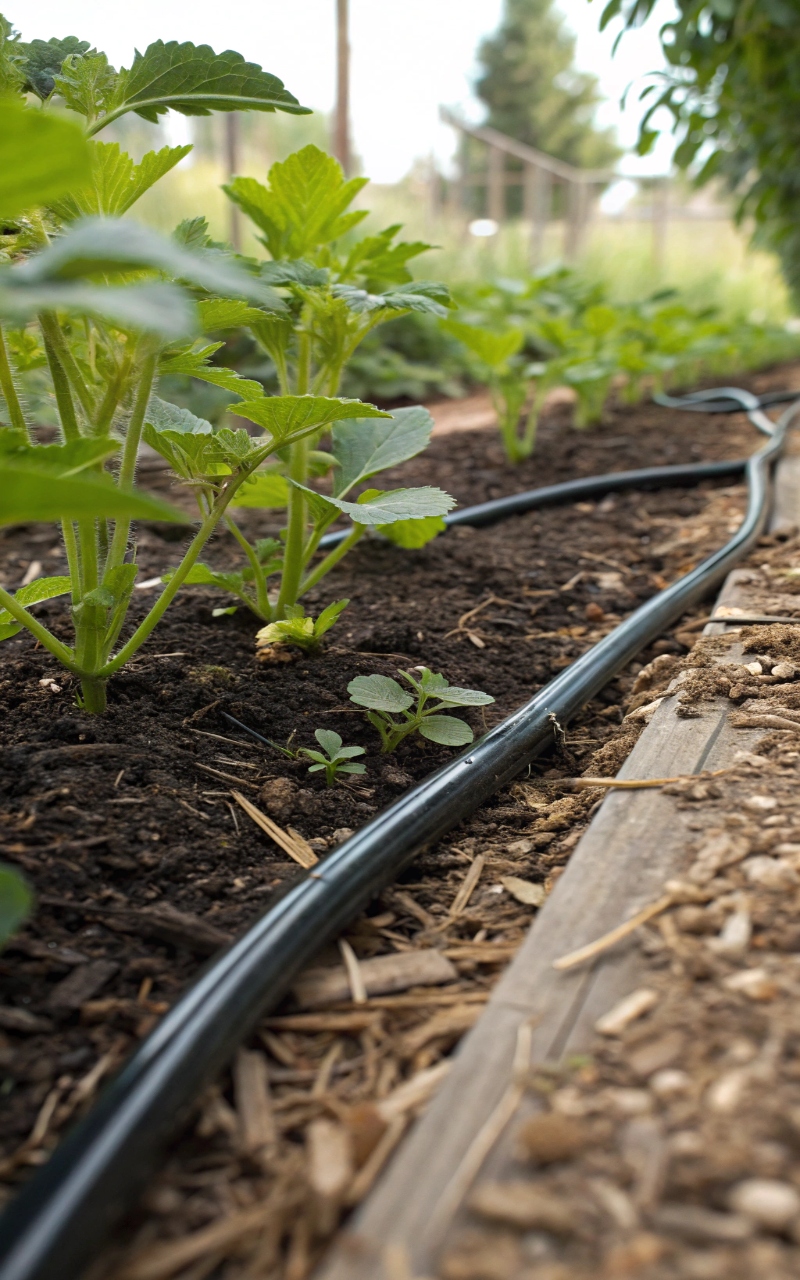
Even with rain scaping, having a drip irrigation system as a backup keeps everything consistent during dry spells. It delivers water directly to the roots, minimizing waste. The system works quietly in the background, supporting what nature already provides. It’s efficient without being intrusive. It’s like a safety net for your garden. Pro Tip: Set a timer to avoid overwatering.
11. Use Decorative Rock Beds
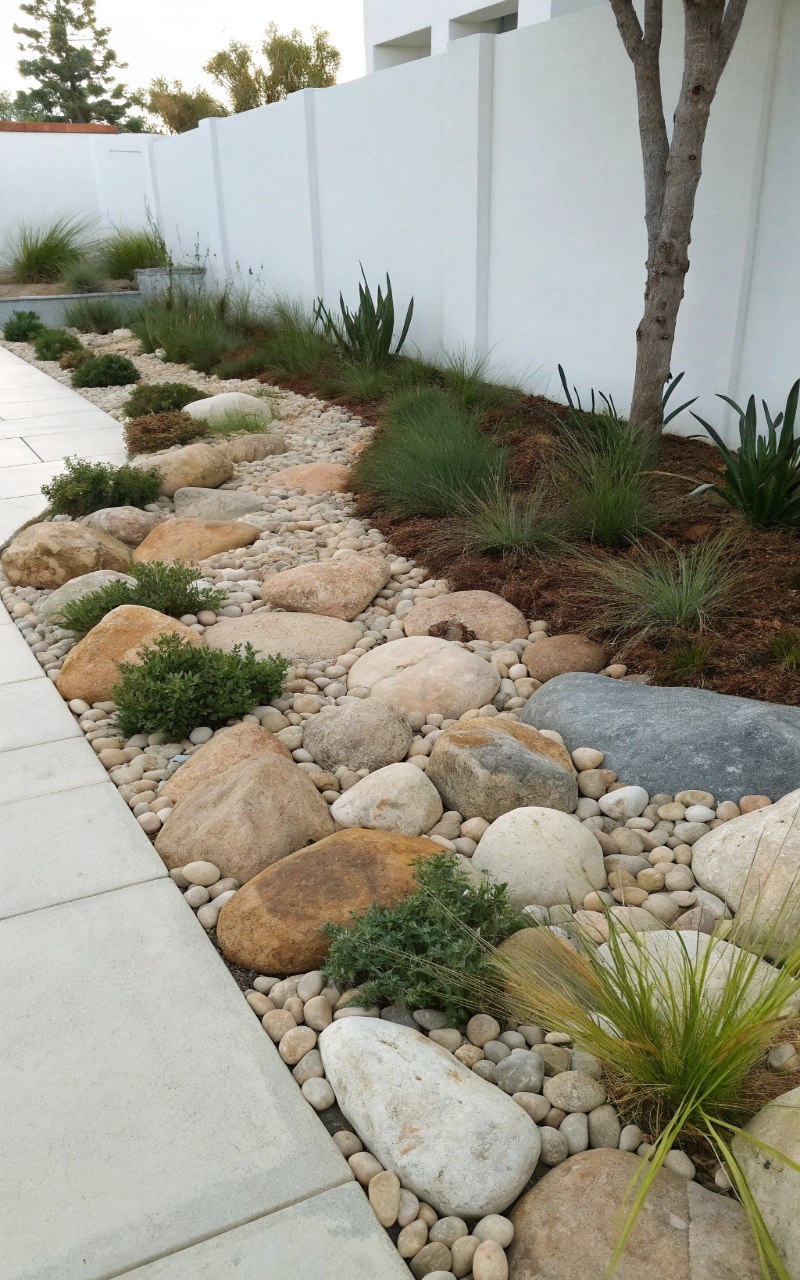
I replaced a patch of grass with decorative rocks, and it instantly reduced water use while adding texture and contrast. The rocks don’t need watering, obviously, which makes maintenance easier. The look feels clean, modern, and low-effort. It’s a simple swap with lasting benefits. Why keep grass where it doesn’t thrive? Pro Tip: Combine rocks with drought-tolerant plants for balance.
12. Shape Soil for Better Absorption
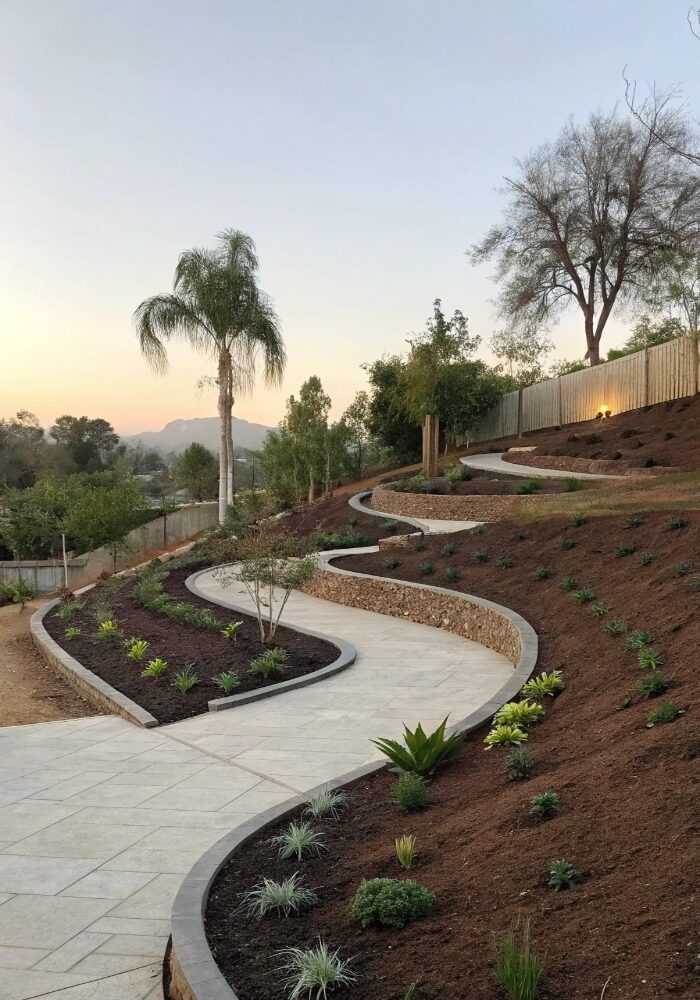
Adjusting the slope of the soil helped water soak in more evenly instead of pooling in one spot. It’s a subtle change, but it improves how the entire yard handles rain. The surface feels smoother and more intentional. It’s one of those behind-the-scenes upgrades that makes everything work better. You might not notice it right away, but you’ll feel the difference. Pro Tip: Test water flow with a hose before finalizing the shape.
13. Install a French Drain System
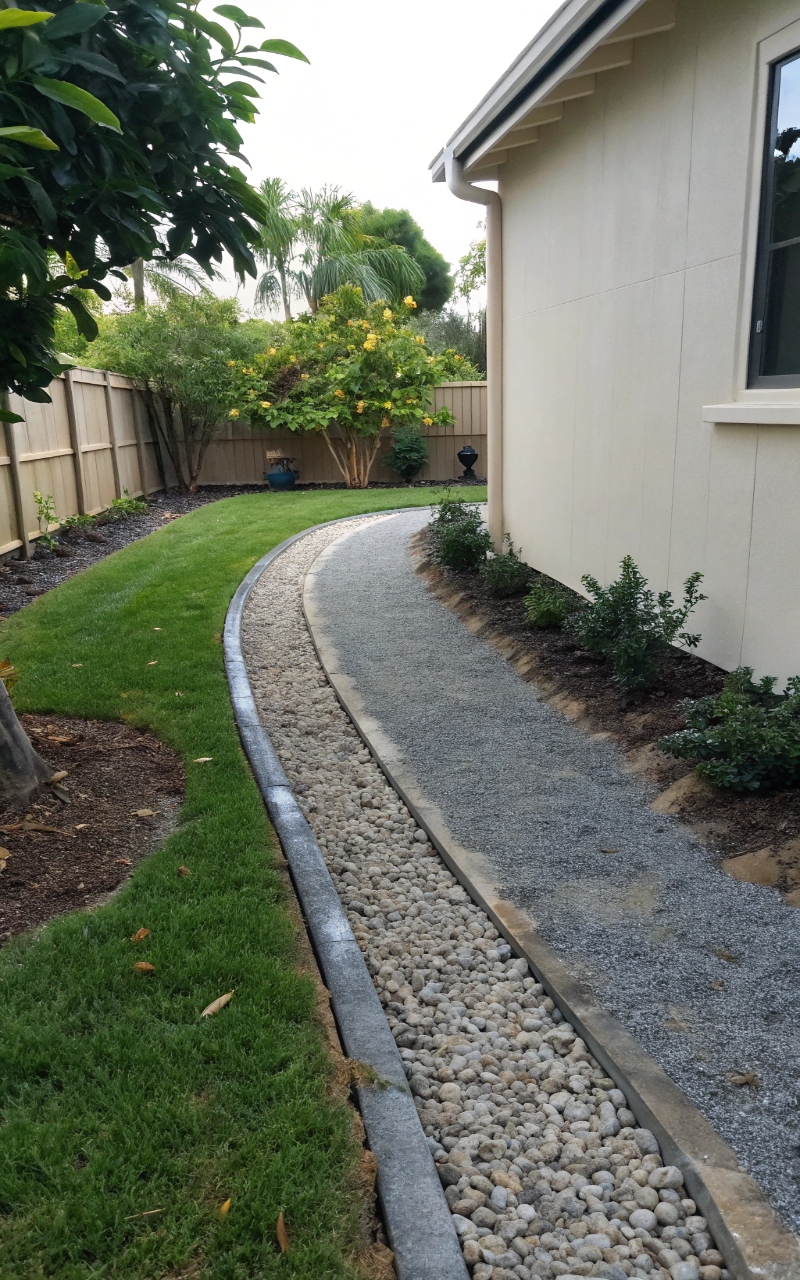
For areas that constantly collect water, adding a French drain helped move excess water away efficiently. It’s hidden underground, so it doesn’t affect the look of the yard. The system works quietly, solving a problem you might not want to see. It’s practical and reliable. Sometimes the best solutions stay out of sight. Pro Tip: Use perforated pipes for better drainage.
14. Add Rain Chains for Visual Appeal
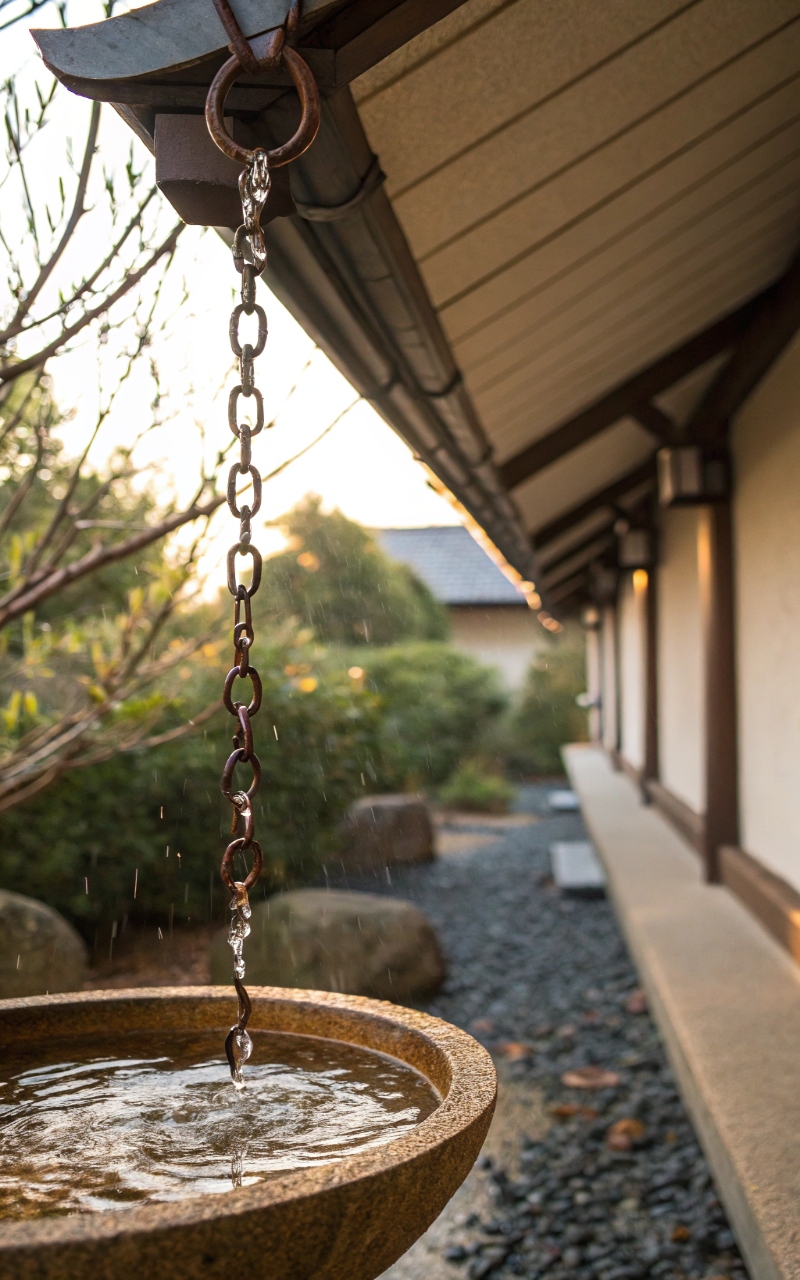
Replacing a traditional downspout with a rain chain turned water flow into something decorative and calming. Watching water cascade down during rain adds a peaceful, almost meditative feel. It’s functional, but it also enhances the overall aesthetic. It’s a small detail that stands out in the best way. Doesn’t it make rain feel a bit more enjoyable? Pro Tip: Place stones or a basin underneath to manage splashing.
15. Use Native Plants for Efficiency
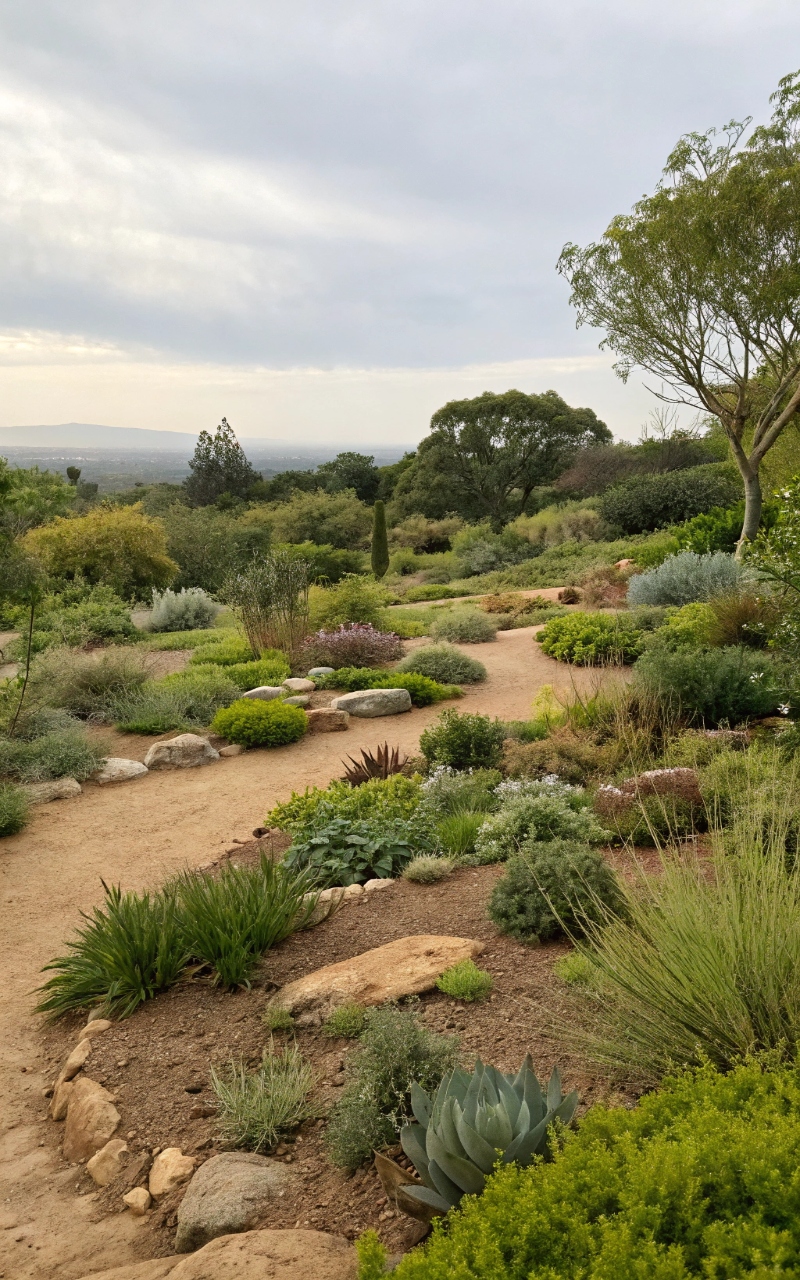
Switching to native plants made everything feel more balanced and sustainable because they naturally adapt to local rainfall patterns. They require less maintenance and thrive without extra watering. The garden feels more connected to its environment. It’s a long-term solution that just makes sense. Why fight nature when you can work with it? Pro Tip: Research local native species for the best results.
Conclusion
Rain scaping brings a different kind of mindset into how you design and care for your yard, shifting the focus from control to collaboration with nature. Each of these ideas shows how small, thoughtful changes can improve how water moves, settles, and supports your plants without adding extra work. The result is a space that feels more balanced, more efficient, and honestly more enjoyable to spend time in. As everything starts to work together, you’ll notice how much less effort it takes to maintain that fresh, healthy look. That ease becomes part of the overall experience.
What makes rain scaping so rewarding is how it blends practicality with natural beauty, creating a yard that doesn’t just look good but functions well too. You’re not just decorating—you’re shaping a system that supports itself over time. The textures, levels, and plant choices all come together in a way that feels intentional without being forced. It’s a quieter kind of transformation, but one that makes a lasting difference. And once you see it in action, it’s hard to go back.
As you start making changes, even small ones, you’ll begin to notice how your yard responds to rain in a completely new way. Instead of dealing with puddles or dry patches, you’ll see a space that adapts, absorbs, and thrives naturally. Take it step by step, trust what feels right, and let your yard evolve with each rainfall. Before long, it won’t just be low water—it’ll be low stress, too, and that’s the kind of upgrade that truly matters.