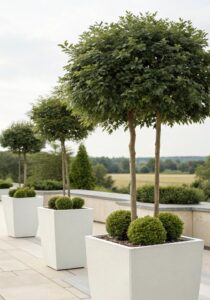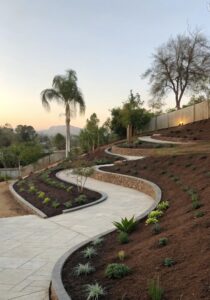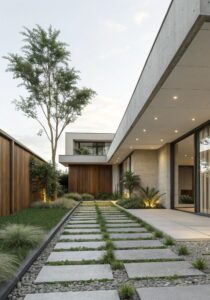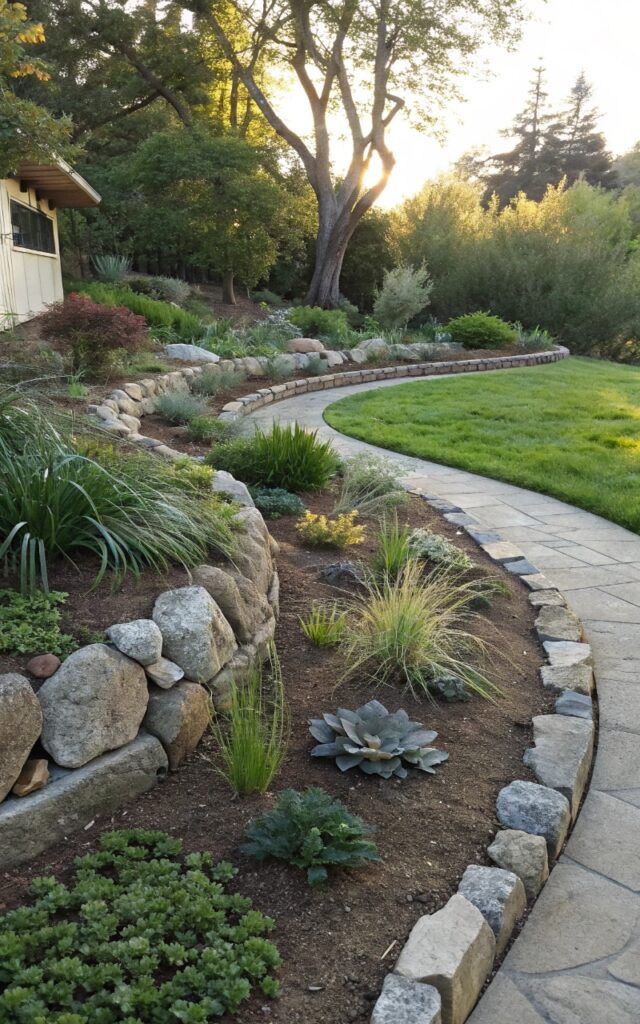

I started mixing plants and stones in my yard, it wasn’t part of some big design plan—it was more of a “let’s see what happens” kind of afternoon. After a rainstorm, I noticed how water traced its own little paths through the soil, weaving around roots and settling between rocks I had scattered nearby. Instead of cleaning it up, I leaned into it, moving stones slightly, adding a few plants where moisture lingered, and letting the space guide me. That simple shift turned what used to be a messy, uneven patch into something that felt intentional and alive. It was like the yard finally had a rhythm, and I just had to follow it.
As I kept experimenting, I realized how powerful the combination of plants and stones can be in rain scaping. Stones shape the flow, giving water direction and structure, while plants soften everything and bring life into those pathways. It’s this balance between hard and soft elements that makes the whole design feel grounded but still natural. I started noticing how certain plants thrived near stone edges, how moisture stayed longer in those pockets, and how everything looked more cohesive without trying too hard. It’s creative, but it’s also incredibly practical.
Now, whenever I look at my yard after it rains, it feels like a living design instead of something static. The stones guide, the plants respond, and the water ties it all together in a way that feels effortless. If you’ve been wanting a low-water yard that still looks rich and dynamic, combining plants and stones might be exactly what you need. These ideas are all about working with what nature already does and turning it into something beautiful. Let’s get into some designs that make your yard feel both creative and smart.
1. Stone-Lined Rain Garden
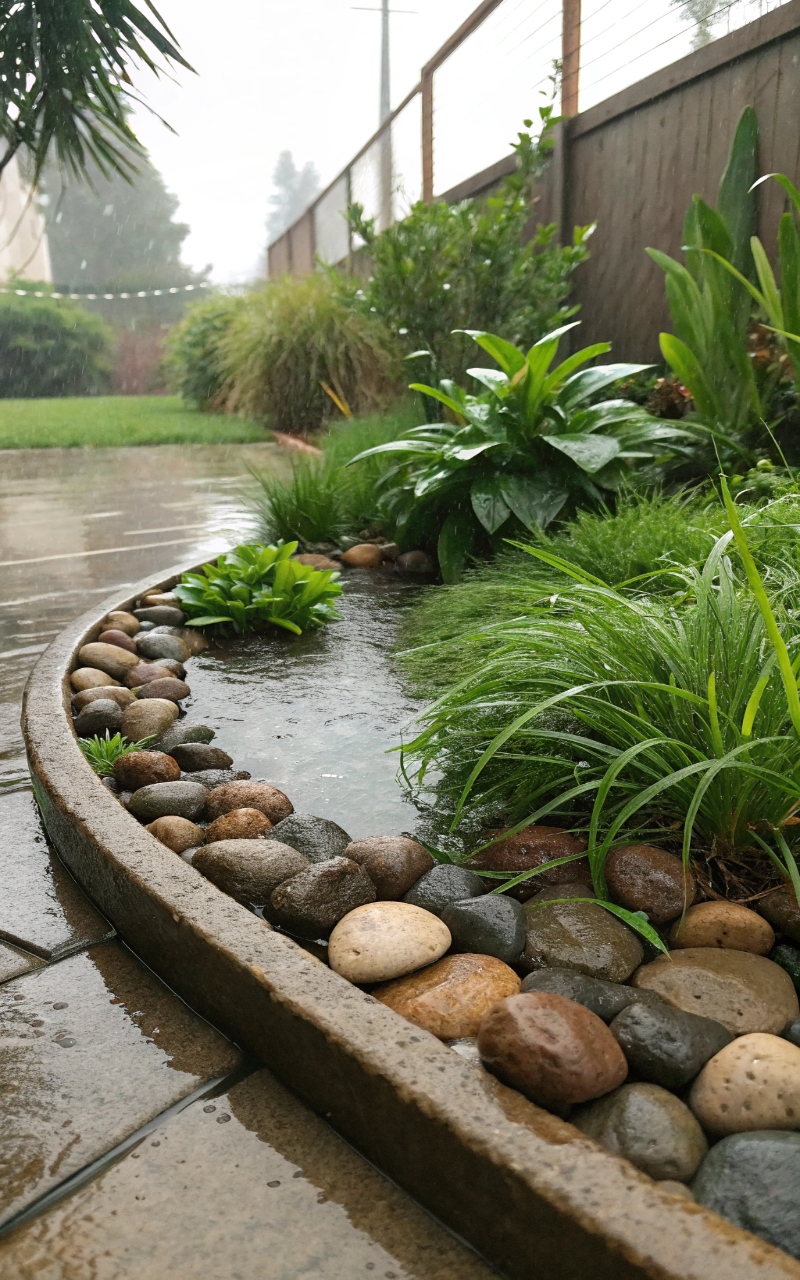
I shaped a shallow rain garden and lined the edges with stones, and it instantly looked more defined while still feeling natural. The stones hold the shape, while the plants inside thrive on collected rainwater, creating a layered, lush look. The contrast between soft greenery and solid rock adds depth that feels intentional without being rigid. It’s one of those features that looks like it’s always been there. Would you go for smooth river stones or rough, textured ones? Pro Tip: Place larger stones at the edges to keep soil from washing away.
2. Dry Creek Bed with Plant Clusters
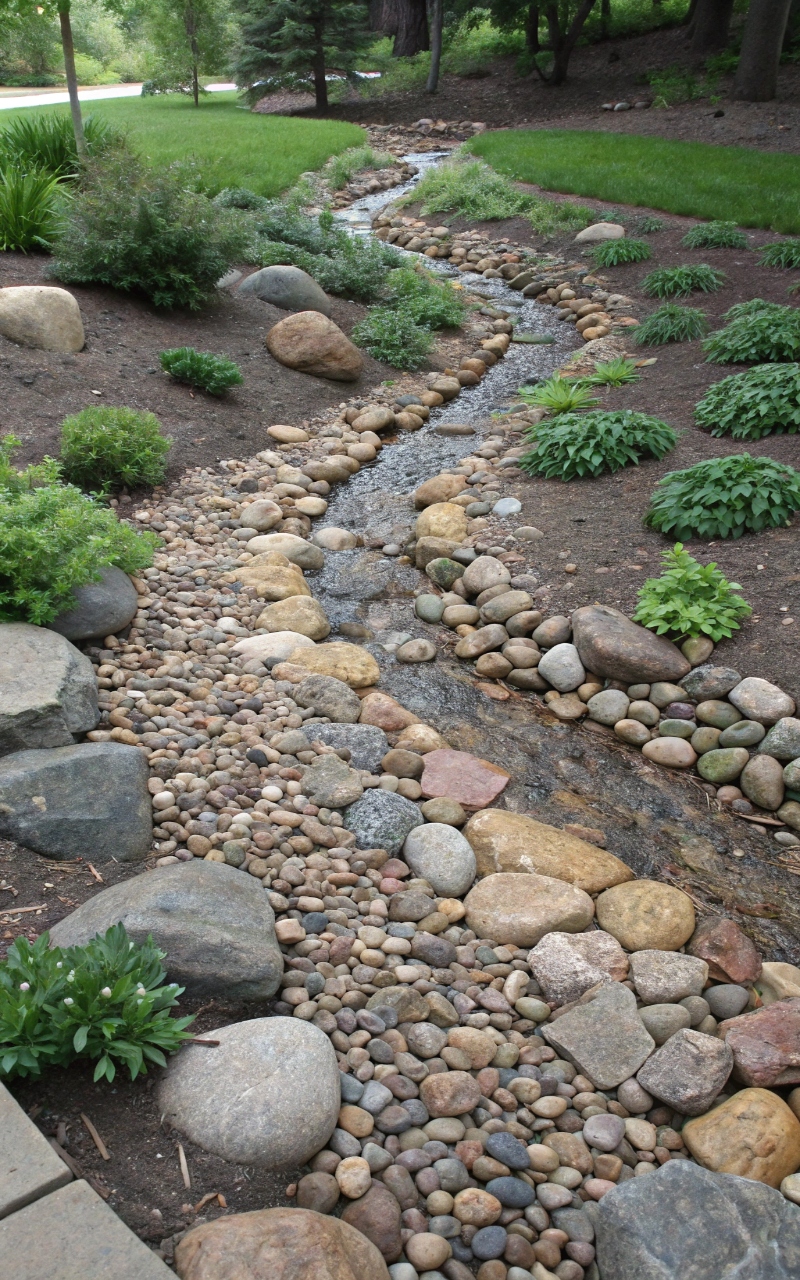
I created a winding dry creek bed using a mix of stones and tucked small plant clusters along the edges, and it completely transformed how water moves through the yard. During rain, it mimics a natural stream, and when it’s dry, it still looks like a design feature. The plants soften the edges and make the whole thing feel alive. It’s functional, but it also becomes a focal point. Honestly, it’s such a vibe when the rain hits. Pro Tip: Use a variety of stone sizes for a more natural flow.
3. Stepping Stones with Ground Cover
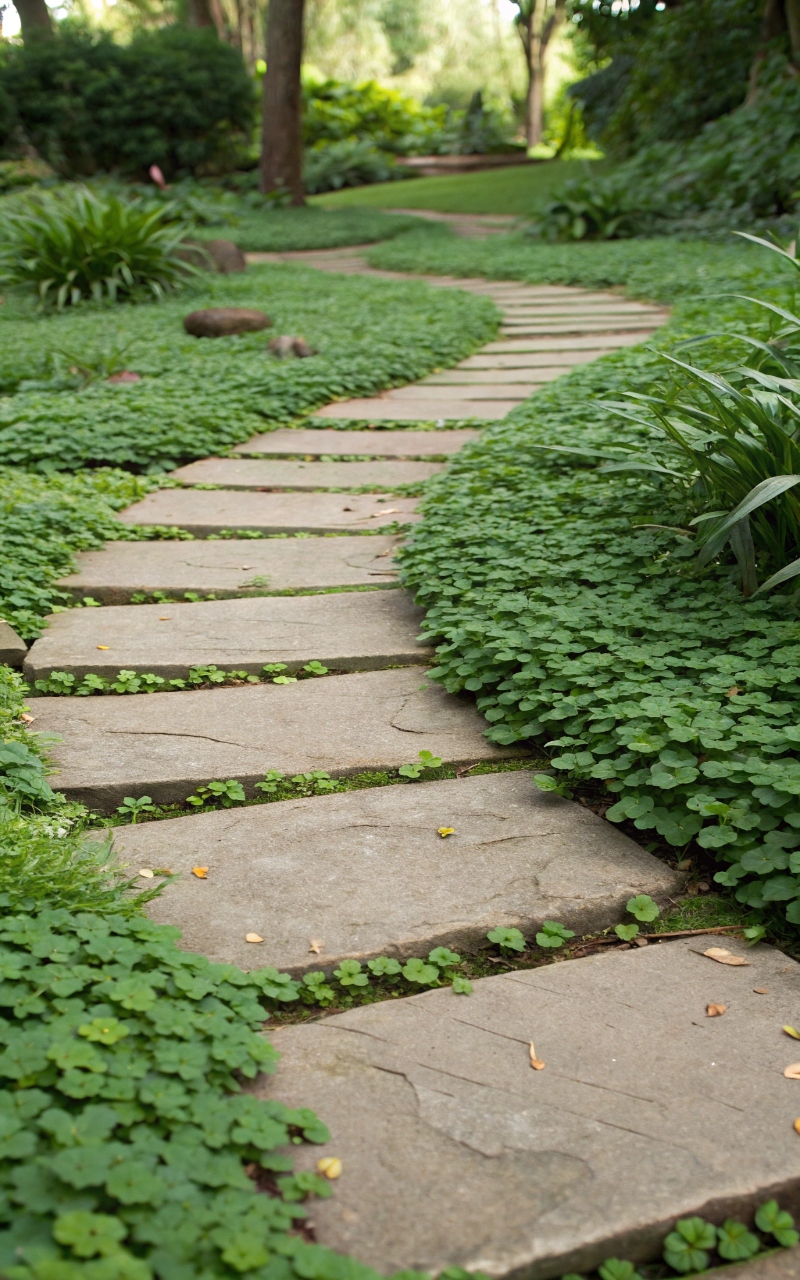
Placing stepping stones with low-growing plants filling the gaps created a soft, walkable path that also absorbs water. The plants reduce runoff while adding texture and color between the stones. It feels casual and organic, like the path just formed naturally. The mix of materials keeps it visually interesting without feeling busy. Isn’t it nice when something practical also looks this good? Pro Tip: Choose ground cover that can handle light foot traffic.
4. Rock Mulch Garden Beds
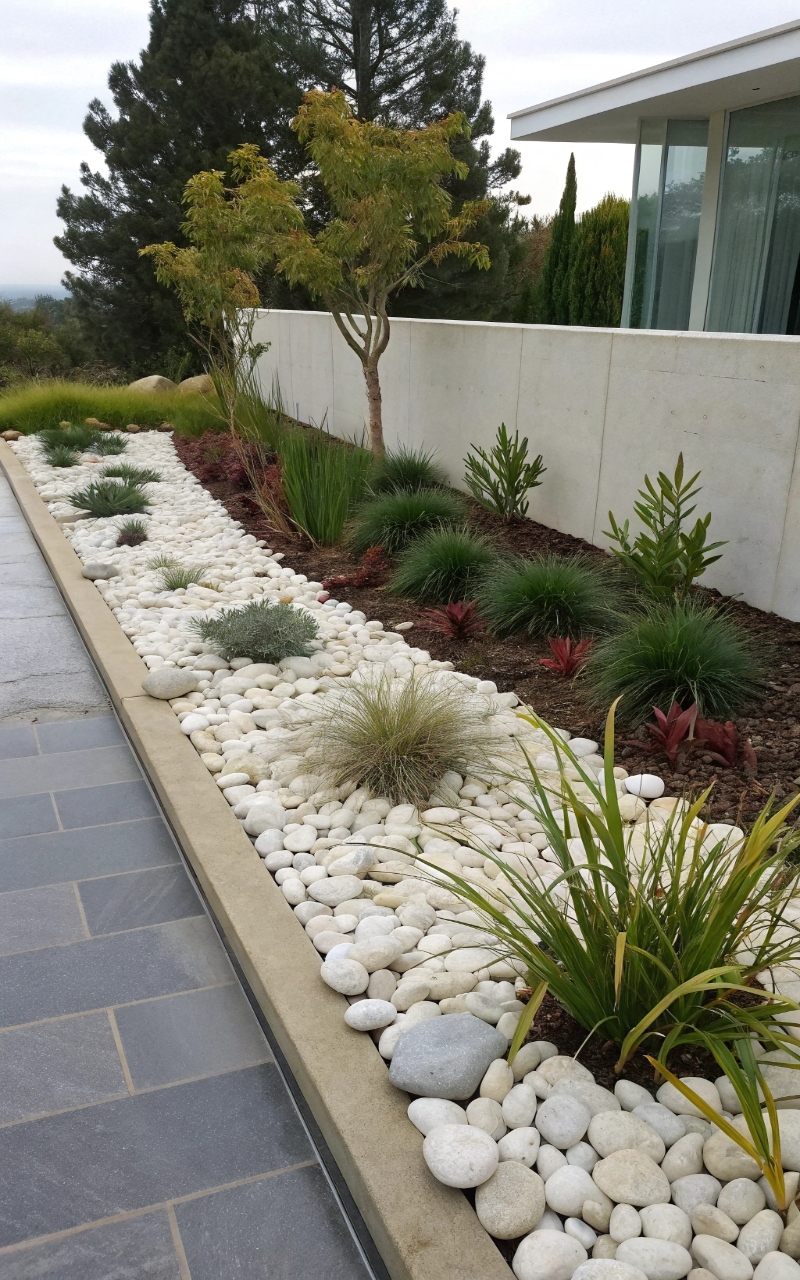
Replacing traditional mulch with decorative stones gave my garden beds a cleaner look while helping retain moisture in the soil. The stones don’t break down, which means less maintenance over time. Paired with drought-tolerant plants, the whole setup feels efficient and polished. The contrast between stone and greenery adds a modern touch. It’s simple, but it works so well. Pro Tip: Add a layer of fabric underneath to prevent weeds.
5. Rainwater Basin with Stone Edging
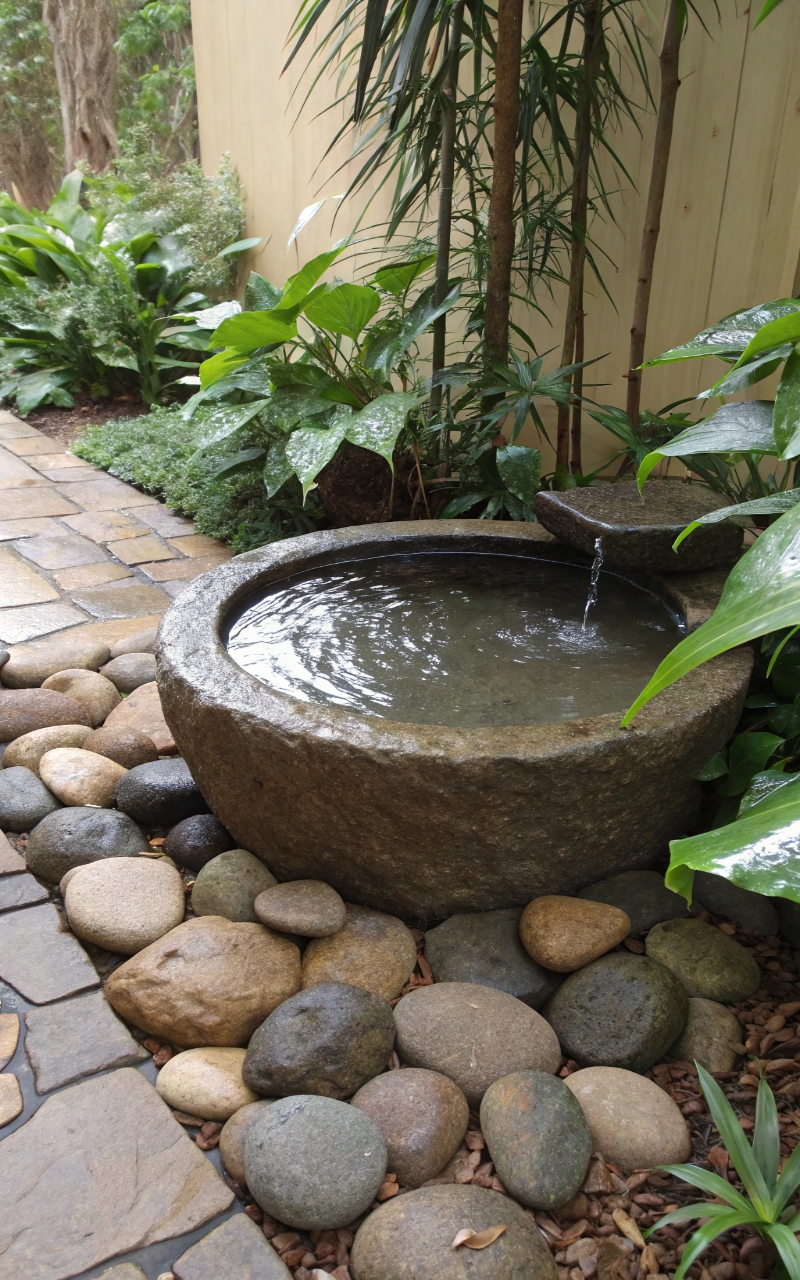
I built a small basin where runoff collects and surrounded it with stones, and it turned into a feature that feels both practical and calming. The stones create structure, while plants around the basin add softness and movement. After rain, the area feels alive with moisture and texture. It’s a small detail, but it changes the whole mood. Doesn’t it feel good when water has a place to go? Pro Tip: Slightly slope the surrounding soil toward the basin.
6. Sloped Rock Channels with Plants
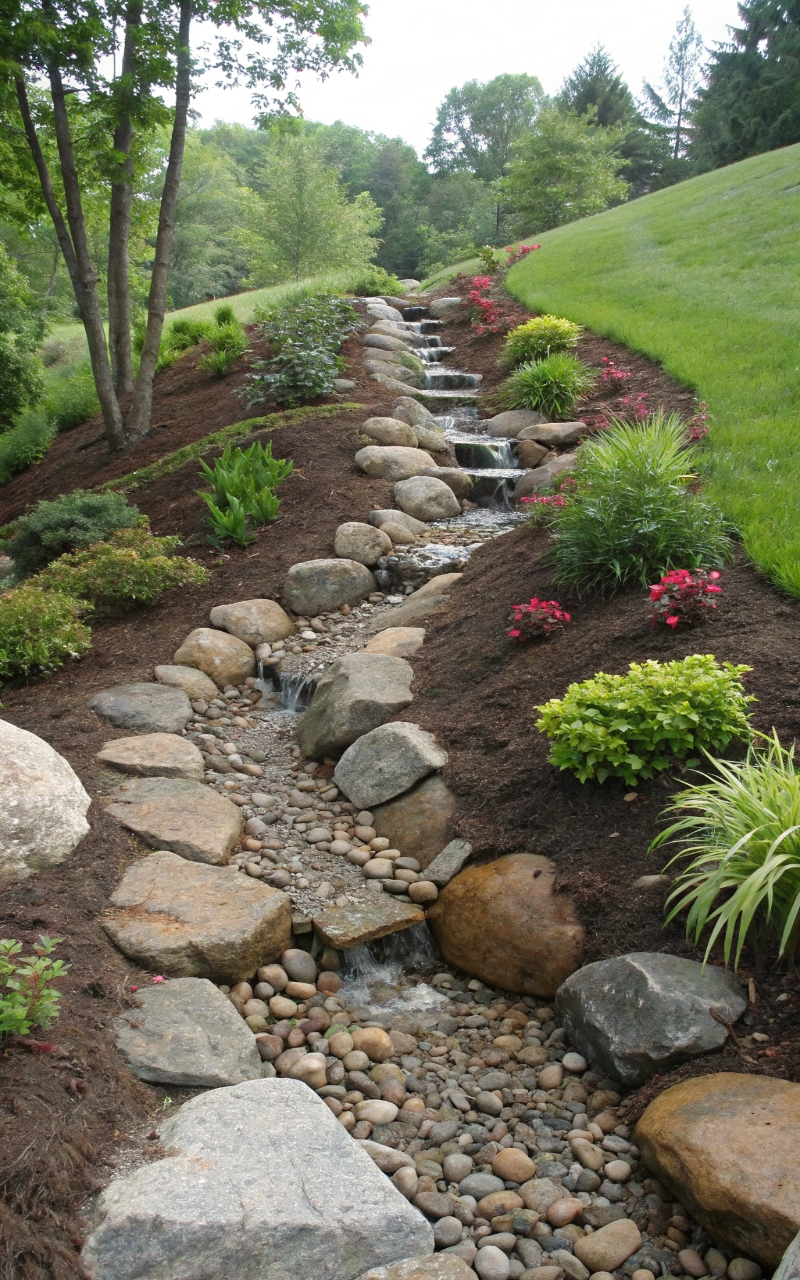
On a slight slope, I arranged stones to guide water downward and added plants along the edges to stabilize the soil. The water flows naturally without causing erosion, and the plants thrive in the moisture-rich areas. It’s a balance between control and letting nature do its thing. The visual flow makes the yard feel more dynamic. It’s functional, but also really satisfying to watch. Pro Tip: Use deeper-rooted plants to help anchor the soil.
7. Stone Path with Rain-Friendly Borders
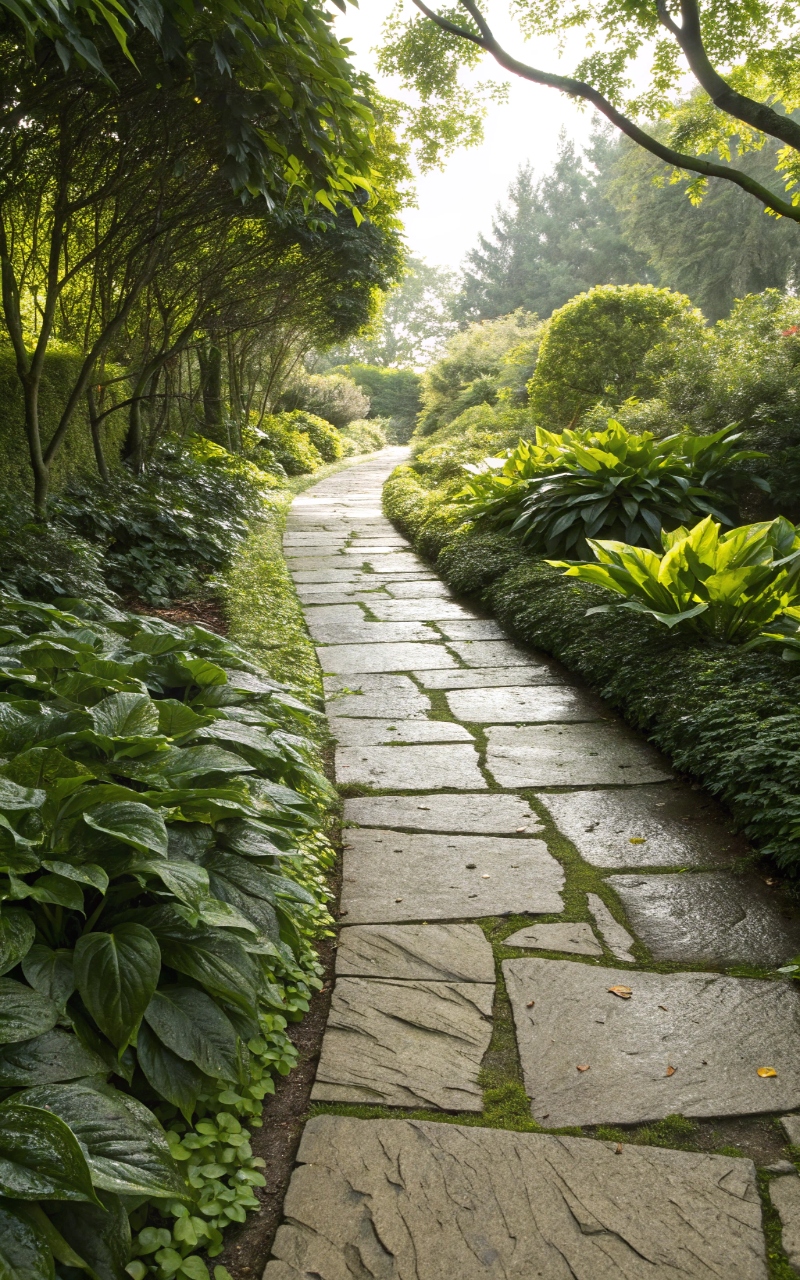
I lined a stone pathway with plants that love occasional moisture, and it created a border that feels lush without extra watering. Rain naturally hydrates the edges, keeping everything looking fresh. The stones keep the path clear, while the plants soften the look. It’s a combination that feels both structured and relaxed. It’s giving low-effort beauty in the best way. Pro Tip: Choose plants that can tolerate both wet and dry conditions.
8. Layered Rock Terraces with Greenery
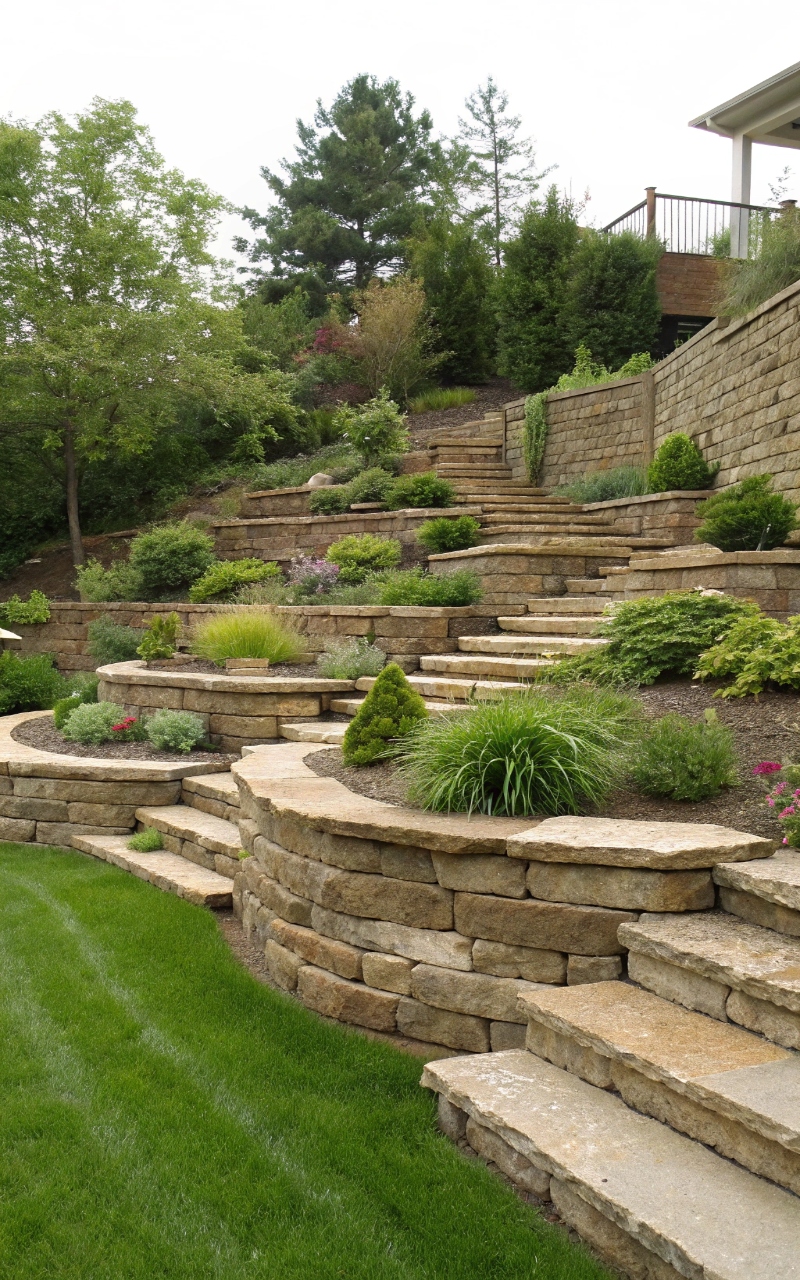
Building small terraces with stacked stones added dimension to my yard while helping control water flow. Each level holds moisture differently, allowing for a variety of plants to thrive. The layers create depth and make the space feel more intentional. It’s like turning a flat yard into something with personality. Honestly, it’s such a standout feature. Pro Tip: Ensure each layer is stable before adding soil and plants.
9. Pebble Ground Cover with Accent Plants
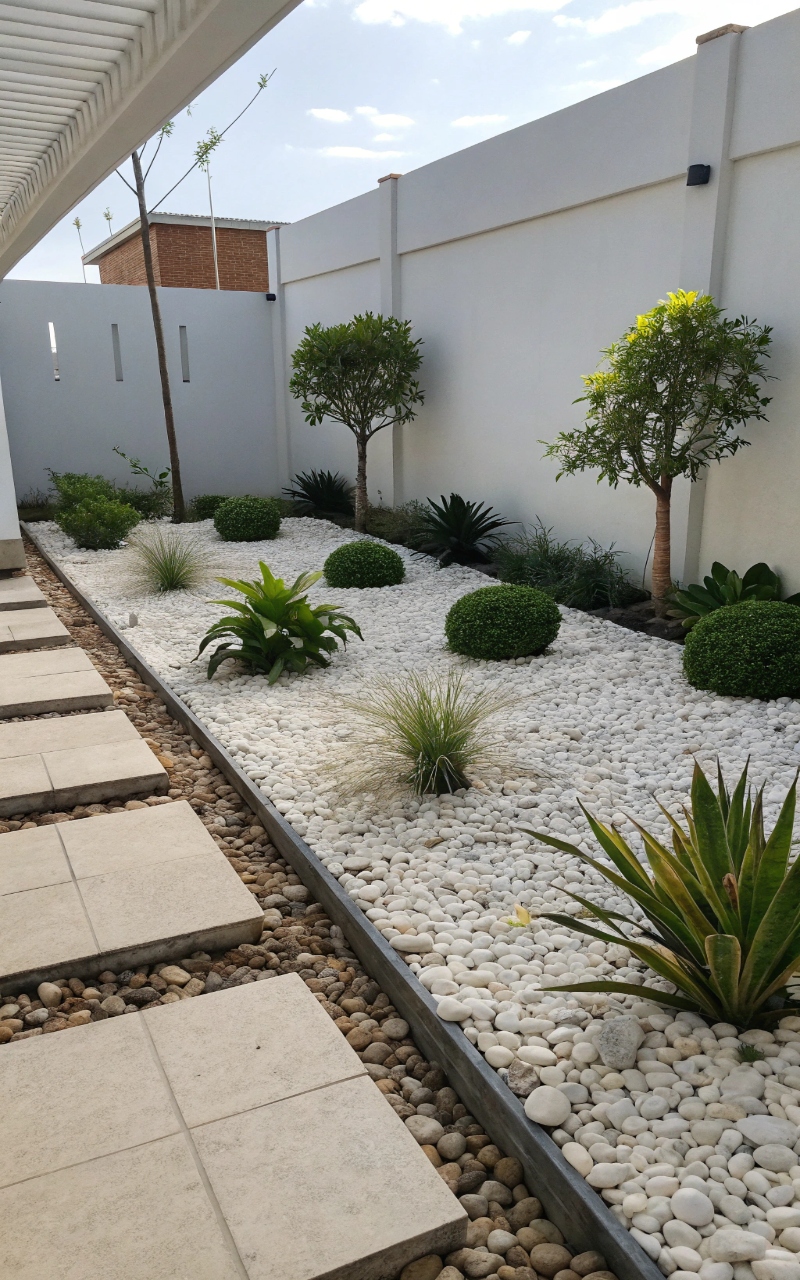
Using pebbles as ground cover reduced runoff while giving the yard a clean, modern look. I added a few statement plants throughout, and the contrast made them stand out even more. The pebbles help water seep into the soil instead of washing away. It’s low-maintenance and visually balanced. It’s simple, but it really hits. Pro Tip: Use edging to keep pebbles contained.
10. Rain Chain with Stone Basin and Plants
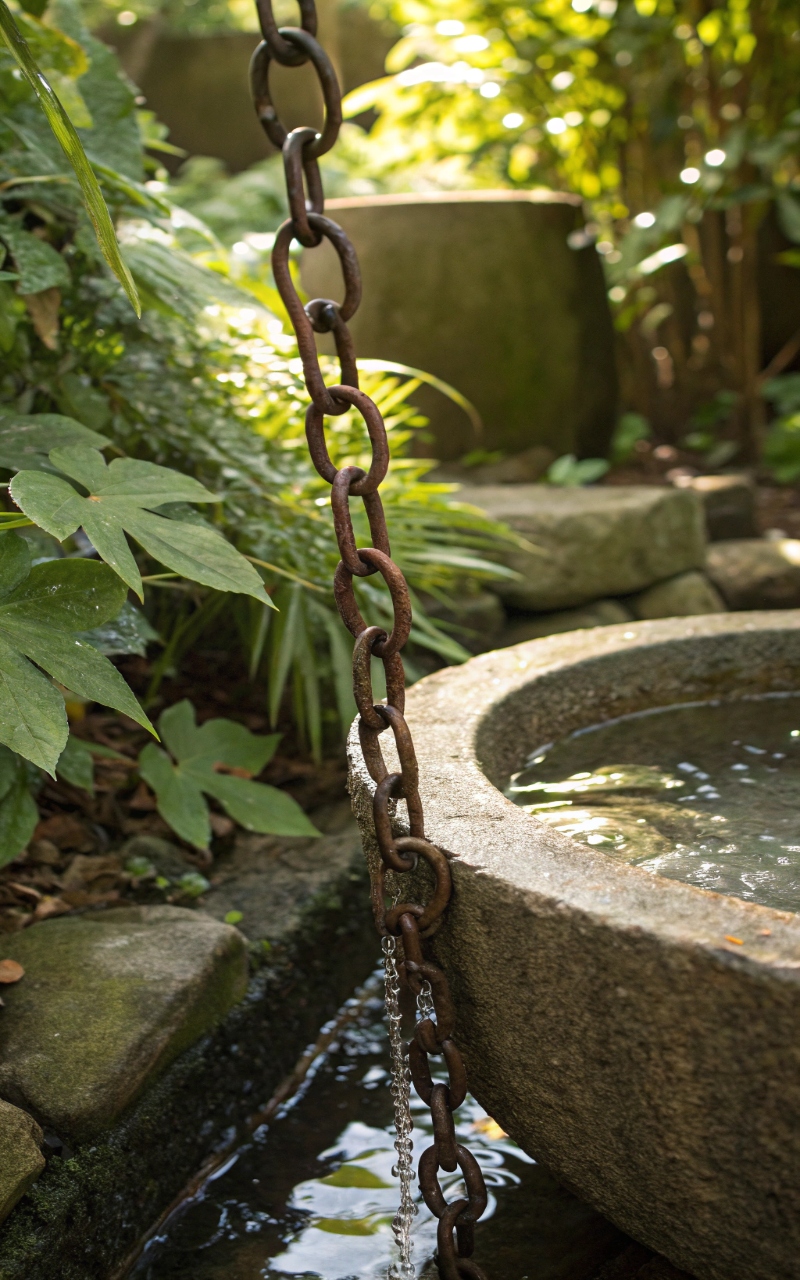
I installed a rain chain that leads into a stone basin surrounded by plants, and it turned water flow into a visual feature. Watching rain travel down the chain into the basin adds a calming, almost meditative effect. The plants around it thrive on the extra moisture. It’s functional, but it also creates a moment in the yard. Why not make rain part of the design? Pro Tip: Use smooth stones in the basin to reduce splashing.
11. Mixed Stone and Succulent Garden
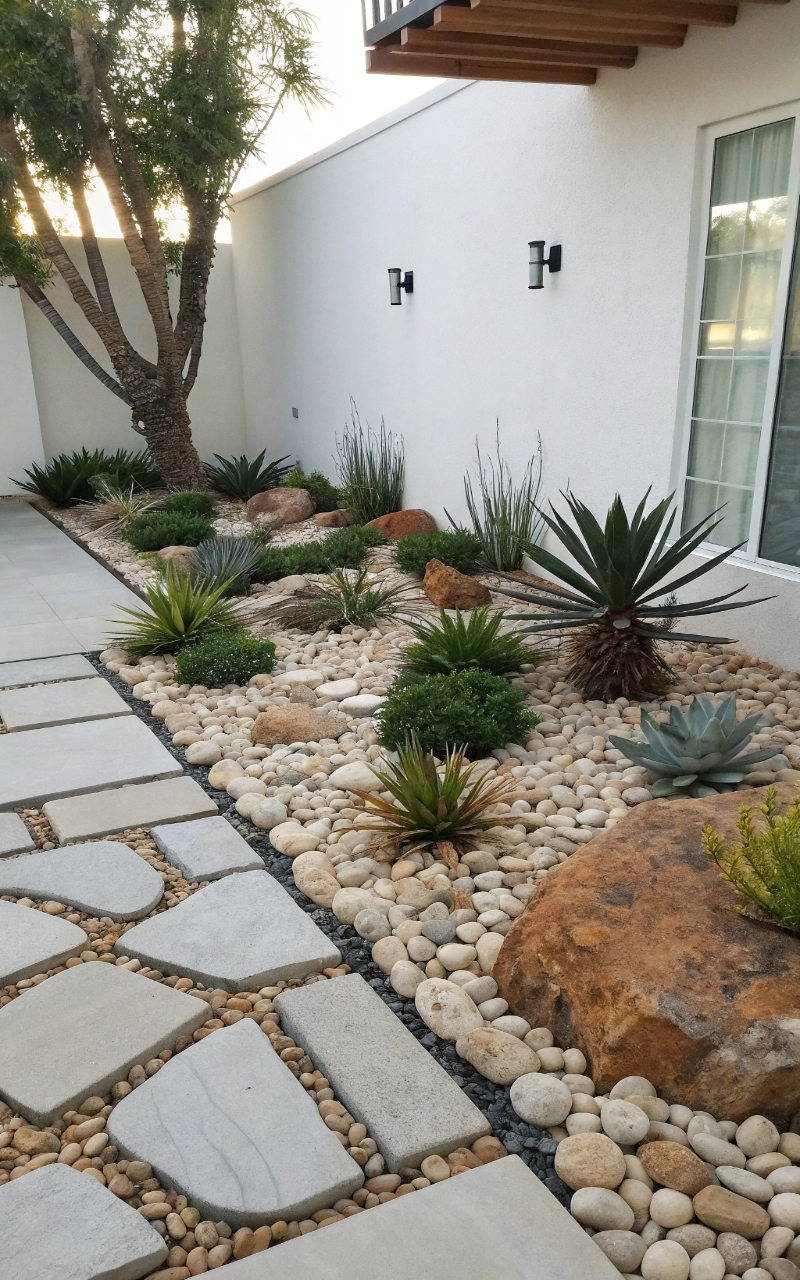
Combining stones with succulents created a drought-friendly area that still looks full and interesting. The stones retain heat and help with drainage, which suits succulents perfectly. The textures work together in a way that feels balanced and natural. It’s low-water and low-maintenance without looking sparse. It’s such a smart combo. Pro Tip: Space succulents properly to allow for growth.
12. Curved Rock Borders with Native Plants
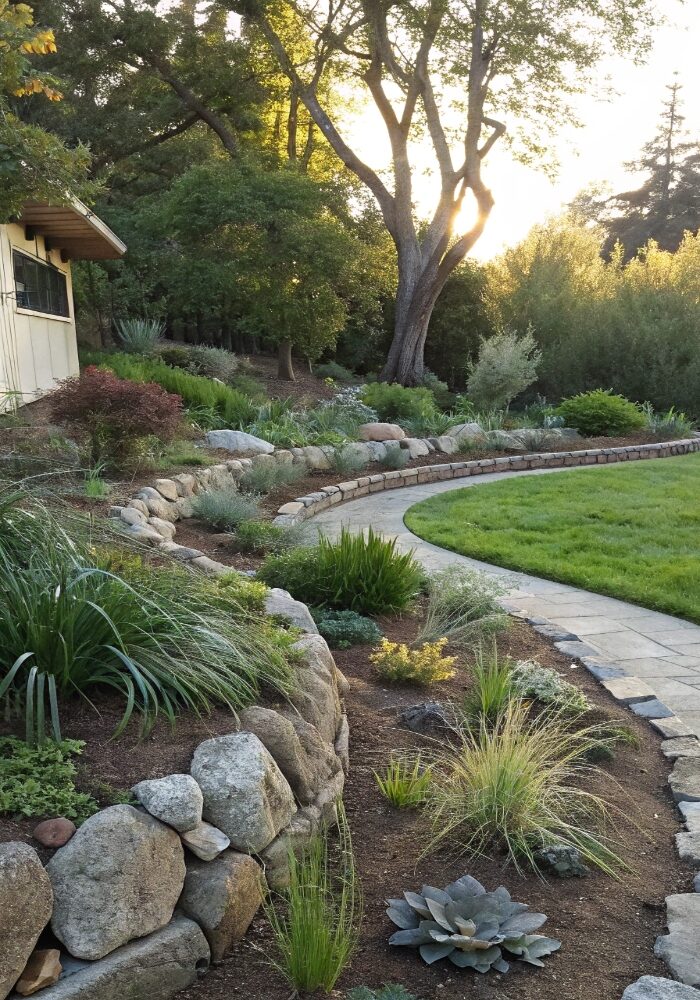
I added curved rock borders around planting areas, and it softened the overall layout while guiding water gently through the space. The curves feel more natural than straight lines, making everything look more relaxed. Native plants inside the borders thrive with minimal care. It’s subtle, but it changes how the whole yard flows. Doesn’t a curve just feel more inviting? Pro Tip: Use consistent stone sizes for a cleaner look.
13. Stone-Filled Drainage Trenches with Green Edges
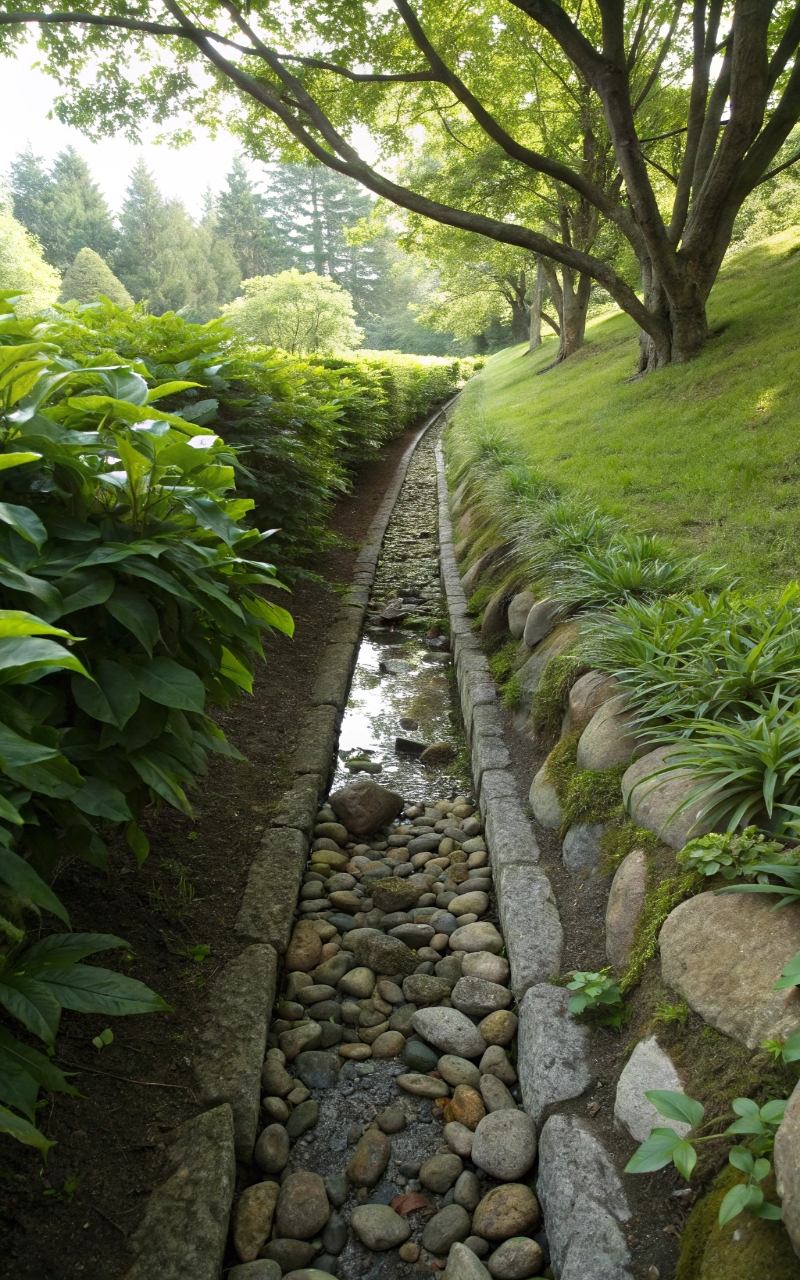
I filled a narrow trench with stones and planted greenery along the sides, and it turned a drainage solution into a design feature. The stones handle the water, while the plants soften the edges visually. It’s practical without looking like a utility fix. The balance makes it feel intentional. It’s one of those hidden upgrades that looks really good. Pro Tip: Keep the trench slightly deeper than surrounding soil for better flow.
14. Boulder Accents with Moisture-Loving Plants
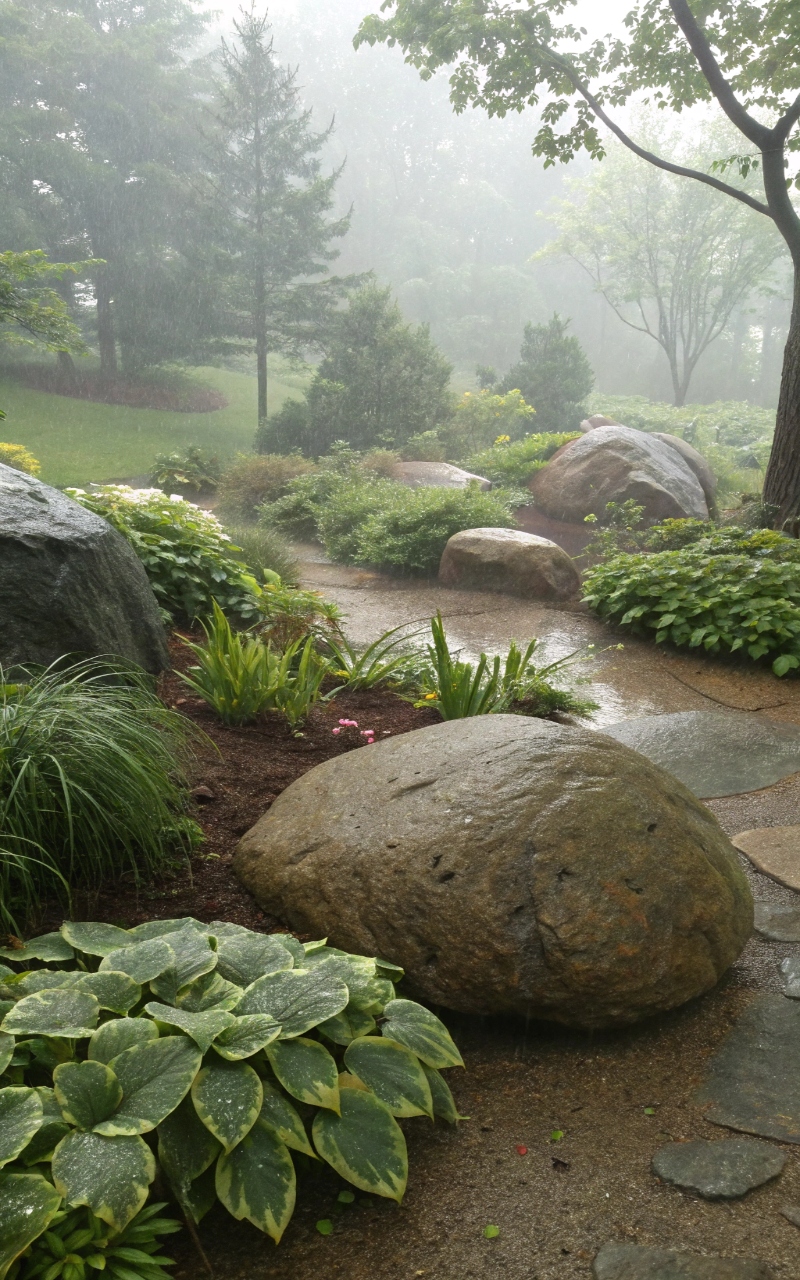
Placing larger boulders in key spots and surrounding them with plants that enjoy moisture created focal points that feel grounded and natural. The boulders anchor the design, while the plants add softness and movement. After rain, the area feels especially vibrant. It’s bold, but still harmonious. It’s a simple way to add structure without overcomplicating things. Pro Tip: Position boulders partially buried for a more natural look.
Conclusion
Rain scaping with plants and stones brings together structure and softness in a way that feels both creative and practical. Each idea builds on the natural movement of water, turning something that often feels like a problem into a design feature. As you start incorporating these elements, your yard begins to feel more balanced, with every piece working together instead of competing. The textures, layers, and flow create a space that feels intentional without being forced. That kind of harmony makes a big difference.
What stands out most is how adaptable these ideas are, allowing you to shape your yard based on what already exists. You don’t need a full redesign to see results—small changes can completely shift how your space looks and functions. The combination of stones and plants creates a system that supports itself over time, reducing maintenance while still looking beautiful. It’s a practical approach that doesn’t sacrifice style. And honestly, that’s what makes it so rewarding.
As you experiment with these ideas, you’ll start to notice how your yard responds to rain in a completely new way. Water flows with purpose, plants thrive naturally, and the whole space feels more connected. Take your time, try what feels right, and let your design evolve. Before long, your yard won’t just handle rain—it’ll celebrate it, turning every storm into something worth appreciating.