
Mornings used to feel rushed the moment I opened my eyes, like the room itself was already asking too much of me before I even got out of bed. Too many objects, too many colors, too many little distractions pulling attention in different directions. One weekend, I decided to clear everything back—just to see what the space would feel like without the noise. The shift surprised me, because instead of feeling empty, the room felt calm, almost like it was giving me space to think. That was the first time I really understood the quiet power of minimal design.
As I started exploring Japanese-inspired interiors, I noticed how much intention sits behind every detail. Nothing feels random, nothing feels excessive, and yet the space never feels cold or unfinished. Natural materials, low profiles, and soft light all work together to create an atmosphere that feels grounded and peaceful. It’s not about removing everything—it’s about keeping only what truly adds value. And honestly, that mindset changes more than just how a room looks.
Now, I see a bedroom as more than just a place to sleep—it’s a space that sets the tone for how your day begins and ends. A calm, minimalist environment can help you unwind more easily and wake up feeling clearer. These ideas focus on simplicity, balance, and natural beauty, helping you create a bedroom that feels restful without trying too hard. Let’s get into some Japanese-inspired design ideas that bring calm into your everyday space.
1. Low Platform Bed
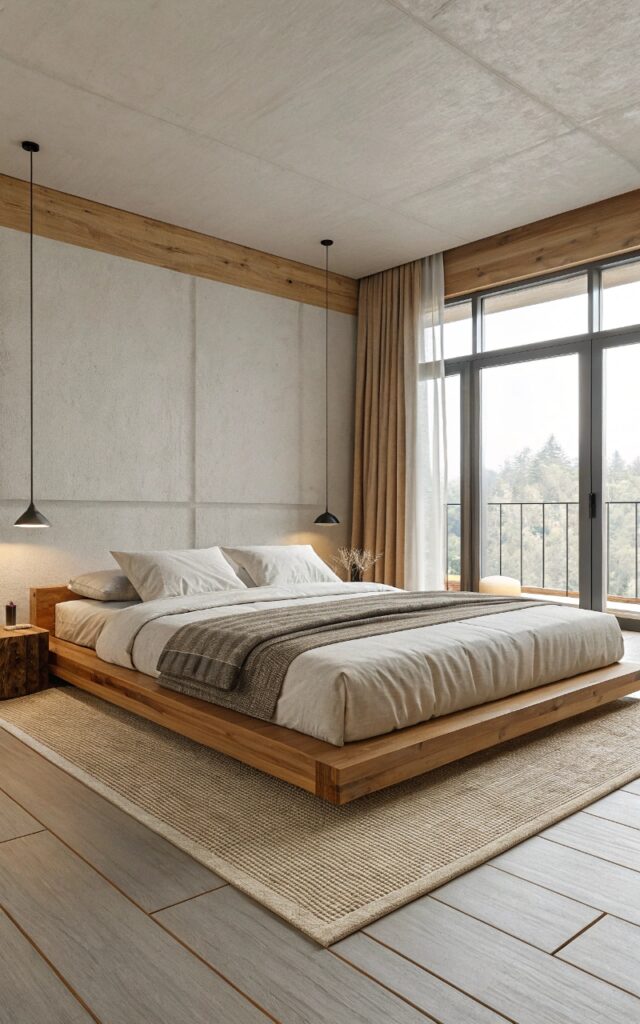
I switched to a low platform bed, and the entire room instantly felt more grounded and open, like the ceiling lifted just a little higher. The lower height creates a sense of calm that’s hard to explain until you feel it. It also keeps the focus on simplicity rather than excess. The space feels more breathable and intentional. It’s minimal, but it makes a huge difference. Pro Tip: Choose a simple wood frame for a more natural look.
2. Neutral Color Palette
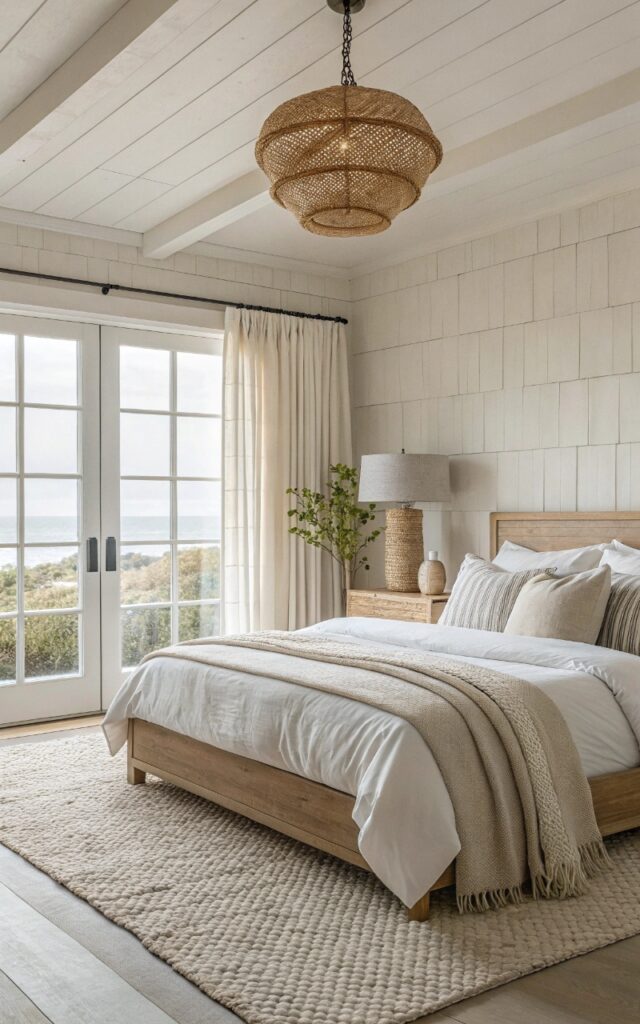
I leaned into soft neutrals—whites, beiges, and light grays—and it created a peaceful backdrop that feels easy on the eyes. The colors don’t compete for attention, which helps the space feel calm. It’s subtle, but incredibly effective. The room feels cohesive without trying too hard. It’s simple, but powerful. Pro Tip: Stick to 2–3 main tones to keep things balanced.
3. Natural Wood Elements
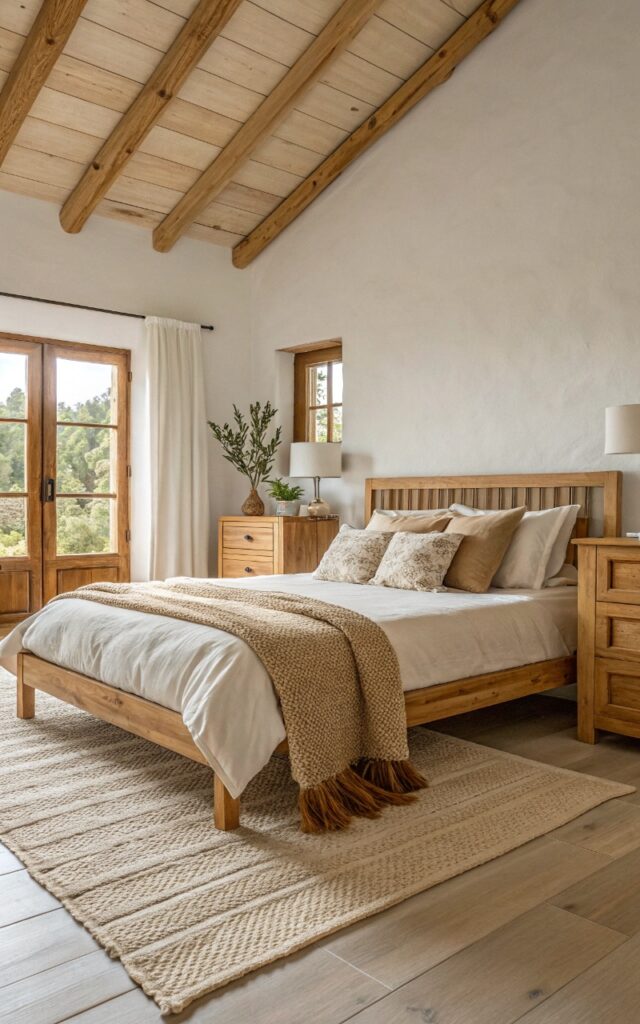
Adding natural wood brought warmth into the space without disrupting the minimalist feel. The texture creates a quiet contrast against soft fabrics. It feels organic and grounded. The tones blend seamlessly with neutral colors. It’s subtle, but it adds depth. Pro Tip: Use light or medium wood for a softer look.
4. Shoji-Inspired Screens
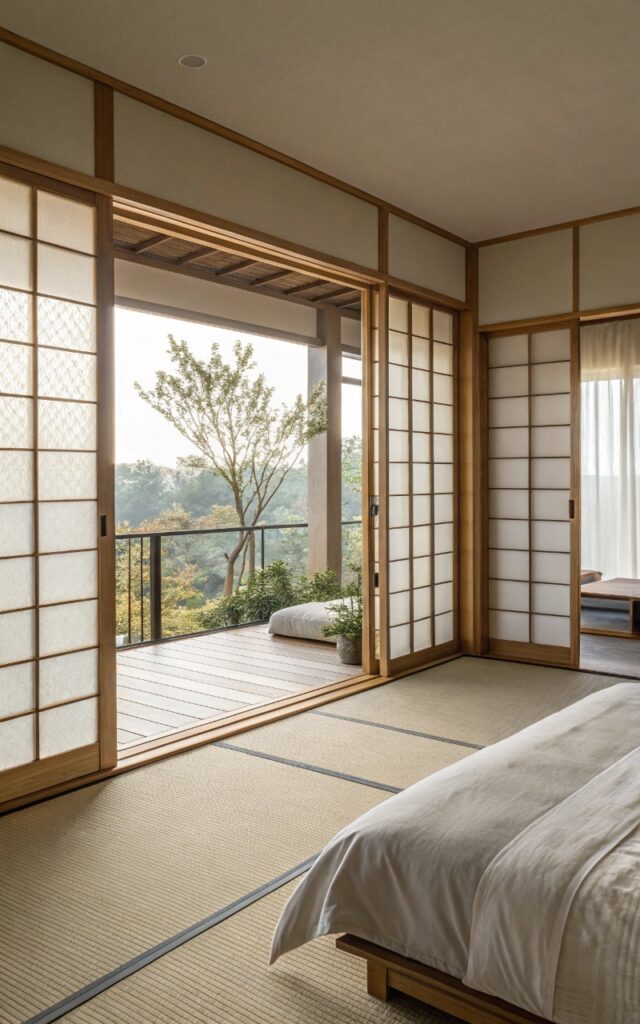
I added a shoji-style divider, and it introduced a soft, diffused light that completely changed the atmosphere. The panels create separation without heaviness. It feels private but still open. The design adds a traditional touch without overwhelming the room. It’s functional and beautiful. Pro Tip: Use sliding panels to save space.
5. Minimal Bedding Layers
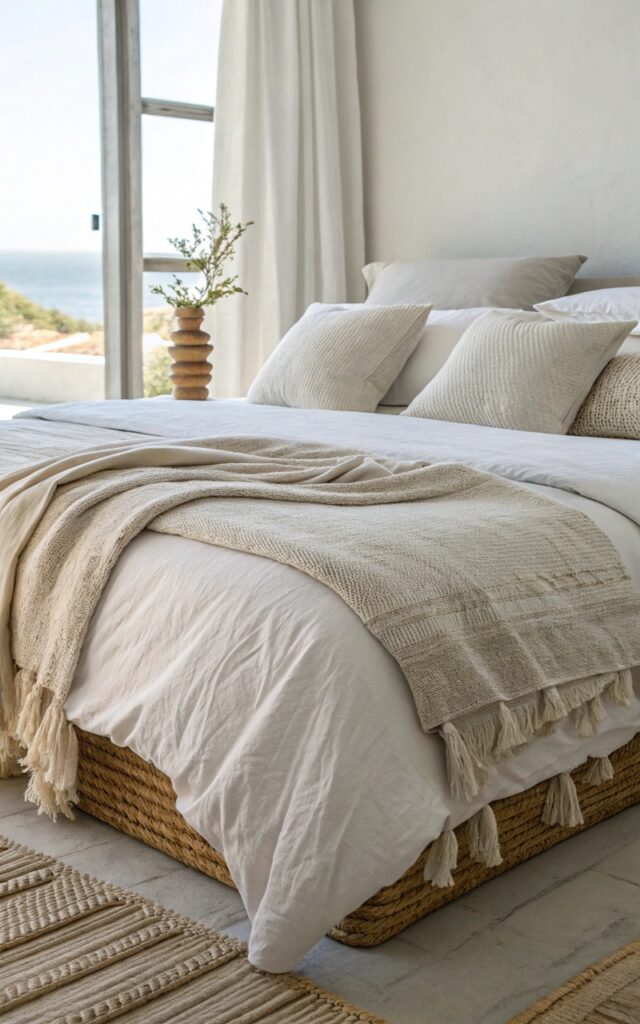
Keeping bedding simple with just a few layers made the bed feel clean and uncluttered. The textures do the work instead of patterns. It looks intentional and calm. The simplicity makes the space feel lighter. It’s easy to maintain and visually relaxing. Pro Tip: Choose soft, natural fabrics like cotton or linen.
6. Floor Seating Option
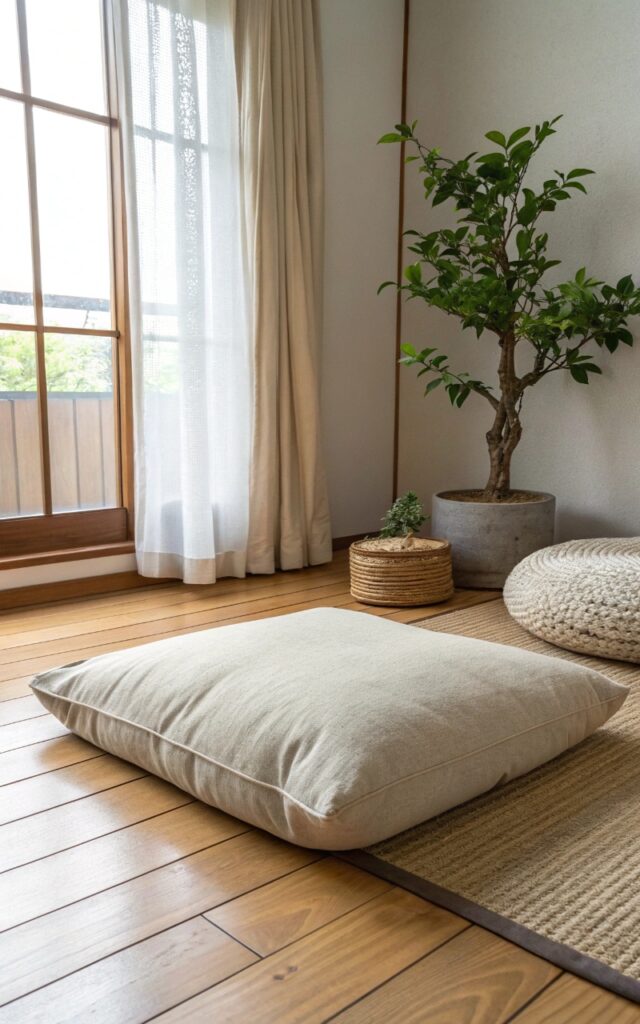
Adding a small floor cushion created a quiet corner that feels relaxed and flexible. It’s perfect for reading or just sitting still for a moment. The low seating keeps everything cohesive with the overall design. It feels informal but intentional. It’s simple, but grounding. Pro Tip: Use neutral-toned cushions for consistency.
7. Decluttered Surfaces
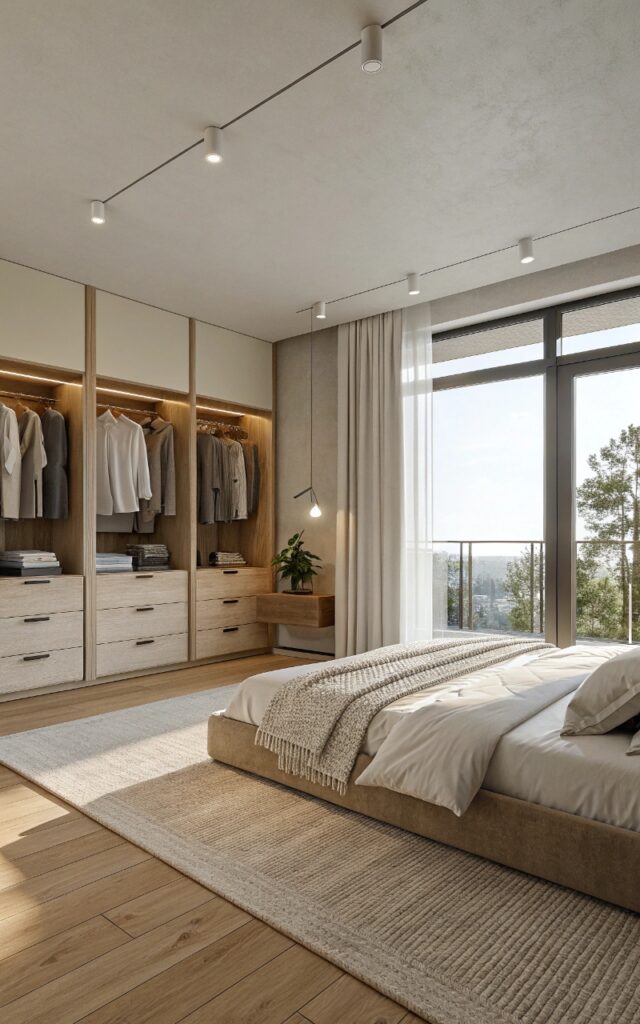
I cleared off most surfaces, and the room immediately felt calmer and more spacious. The absence of clutter creates visual rest. Each item that remains feels more meaningful. It’s less about decoration and more about intention. It’s simple, but transformative. Pro Tip: Keep only items you use or truly love.
8. Soft Ambient Lighting
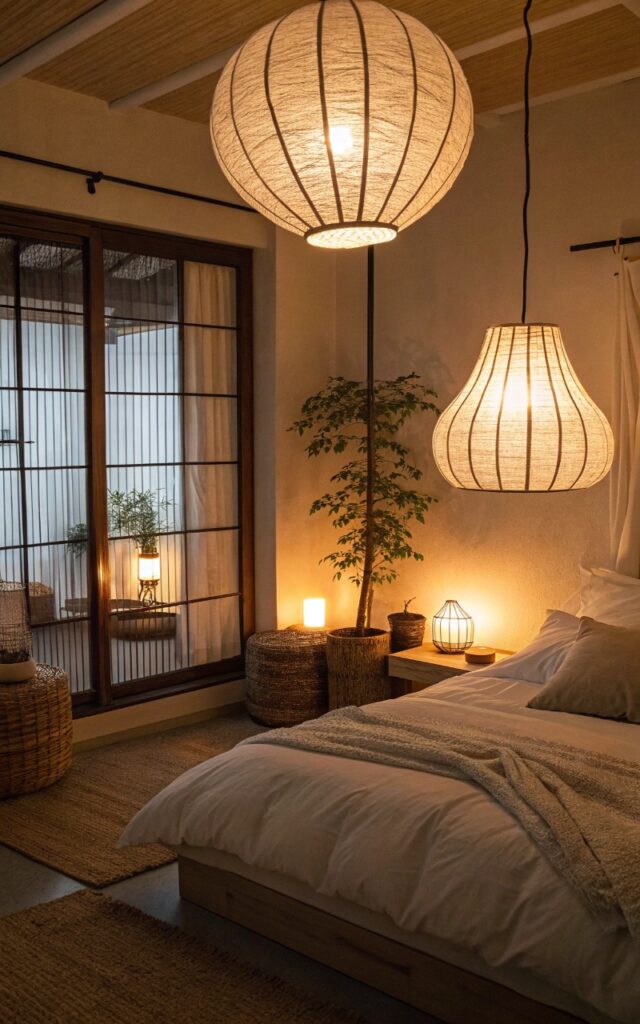
Switching to warm, diffused lighting created a gentle glow that feels calming in the evening. It softens the entire room. The light feels natural and easy on the eyes. It enhances the minimalist look. It’s subtle, but essential. Pro Tip: Use paper or fabric lampshades for softer light.
9. Simple Wall Art
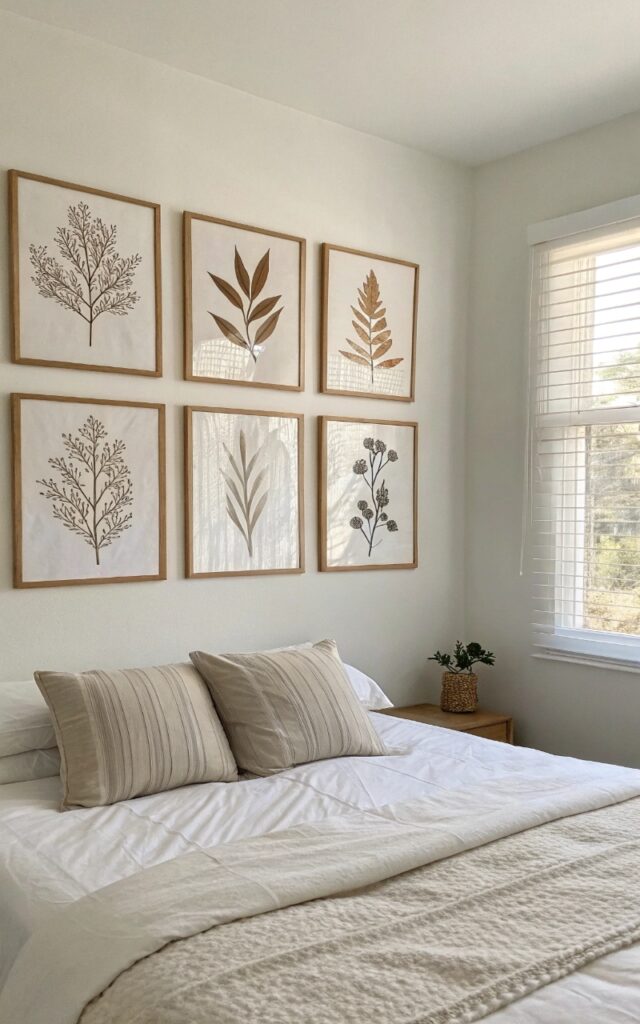
I added one or two minimal art pieces, and it gave the room personality without clutter. The artwork feels intentional and balanced. It doesn’t overpower the space. The simplicity keeps everything calm. It’s less, but more meaningful. Pro Tip: Choose nature-inspired designs.
10. Tatami-Inspired Rugs
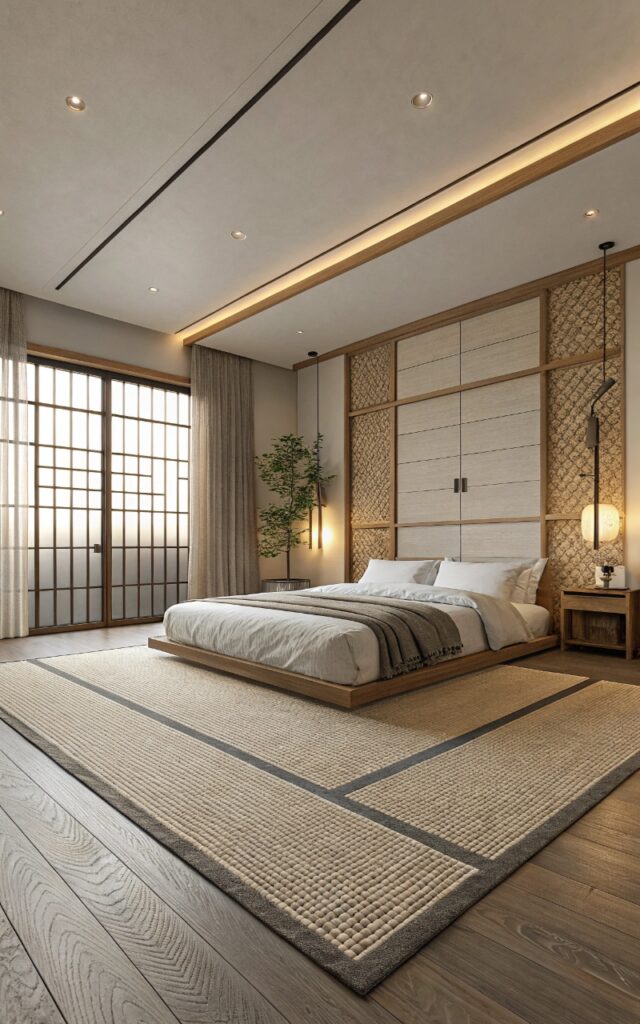
Using a tatami-style mat added texture while keeping the space grounded. The natural material feels calm underfoot. It defines areas without needing furniture. The look feels authentic and simple. It’s subtle, but effective. Pro Tip: Keep the surrounding decor minimal to highlight the texture.
11. Hidden Storage Solutions
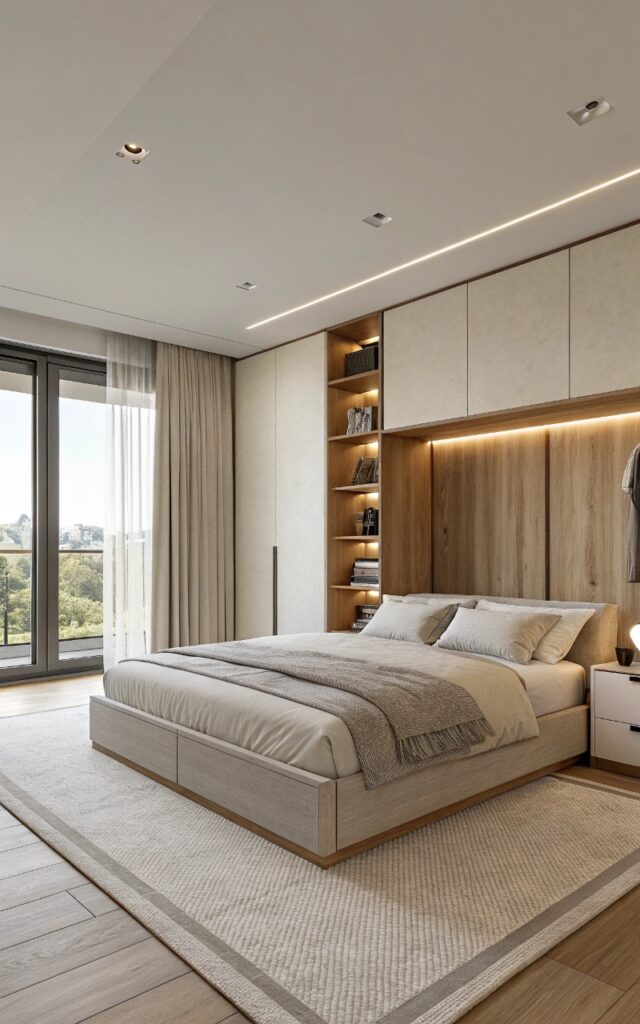
I used storage that blends into the room, and it helped keep everything looking clean and uncluttered. The design feels seamless. It keeps the focus on open space. The room feels more organized. It’s practical and minimal. Pro Tip: Choose furniture with built-in storage.
12. Indoor Plants for Balance
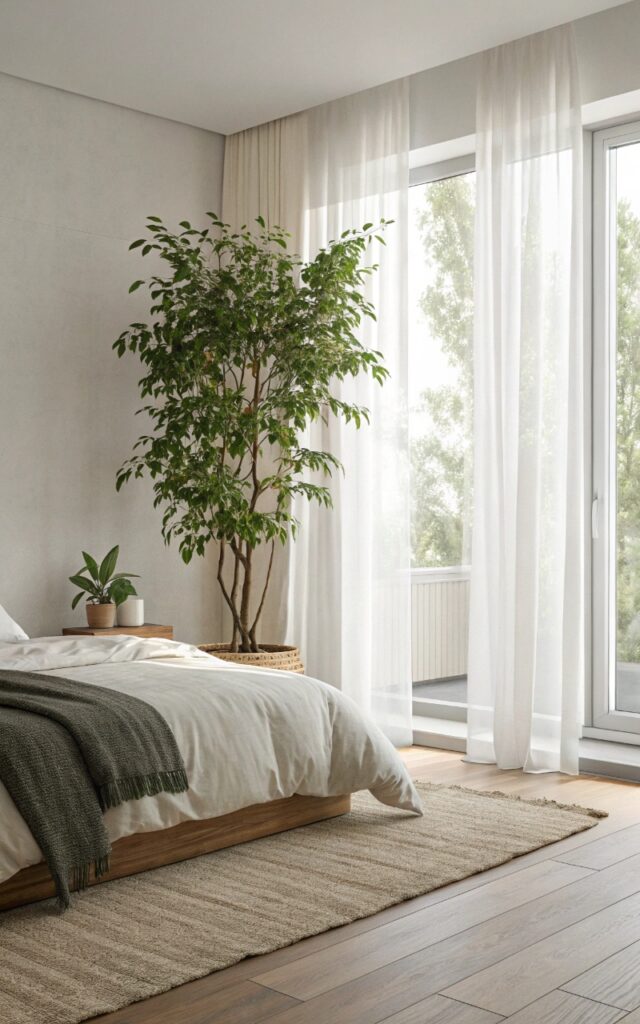
Adding a single plant brought life into the space without disrupting the calm atmosphere. The greenery adds a natural contrast. It feels fresh and grounding. The simplicity keeps it from feeling busy. It’s small, but impactful. Pro Tip: Choose low-maintenance plants.
13. Sliding Closet Doors
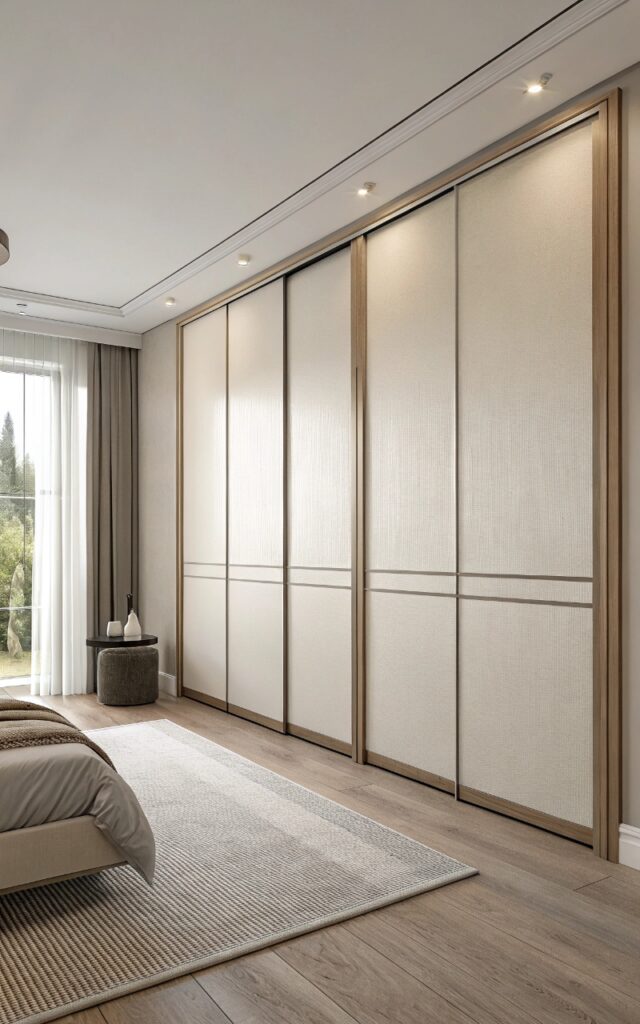
Replacing traditional doors with sliding ones made the room feel more open and efficient. It saves space while keeping the design clean. The movement feels smooth and quiet. It fits perfectly with the minimalist style. It’s practical and sleek. Pro Tip: Use light-colored panels for a softer look.
14. Textured Neutral Fabrics

Layering different neutral fabrics added depth without adding color. The textures create interest in a subtle way. It keeps the room from feeling flat. The softness enhances comfort. It’s simple, but refined. Pro Tip: Mix linen, cotton, and wool for variety.
15. Balanced Symmetry
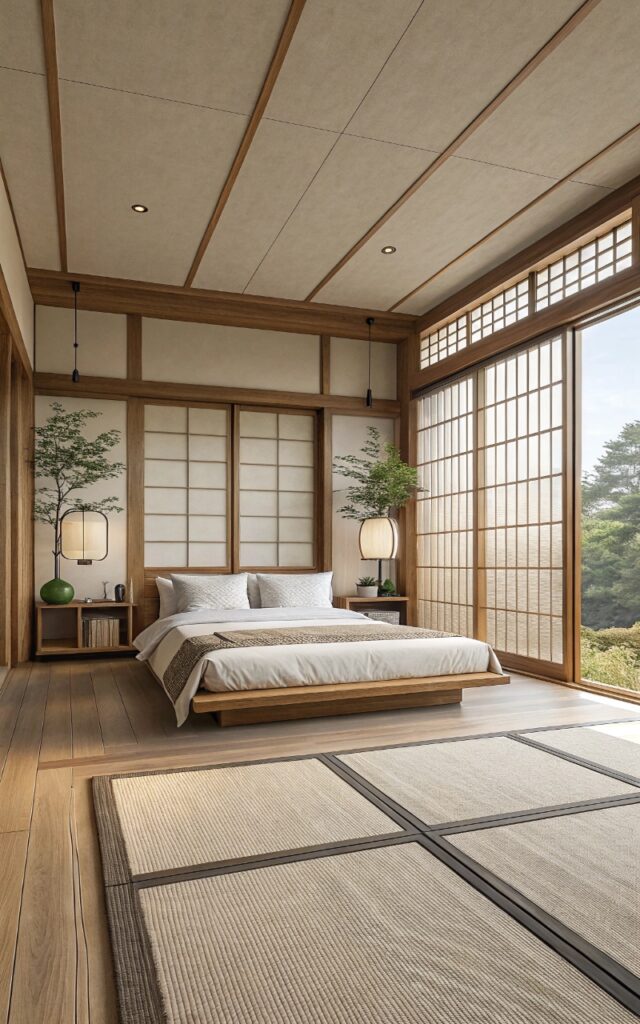
I arranged the room with a sense of balance, and it created a calm, harmonious layout. The symmetry feels natural rather than forced. It helps the space feel stable and organized. The design becomes easier to read. It’s subtle, but powerful. Pro Tip: Keep both sides visually equal, not identical.
Conclusion
A Japanese-inspired bedroom invites a different kind of calm—one that comes from clarity, intention, and thoughtful simplicity. Instead of filling the space, these ideas focus on refining it, allowing each element to contribute without competing. The result feels quiet, grounded, and deeply comfortable in a way that goes beyond just appearance. It’s a space that supports rest without demanding attention.
What makes this approach so effective is how it balances minimalism with warmth, using natural materials and soft textures to keep the room from feeling empty. Every detail has a purpose, which creates a sense of ease you can feel the moment you step inside. It’s not about following strict rules, but about understanding what truly adds value to your space.
As you shape your own bedroom, take it one change at a time and pay attention to how each adjustment affects the overall feeling. You don’t need to transform everything at once—just start with what feels right and let the space evolve naturally. In the end, the goal isn’t perfection, but creating a room that feels calm, clear, and genuinely yours.