
Faced with a tiny table and a pair of ineffective scissors, I bypassed the store-bought aisle to make my first birthday card. It wasn’t about the scraps of paper; it was about the gritty persistence of trying to make something that mattered. The store-bought cards felt convenient, sure, but they never quite captured the warmth I wanted to give, especially for someone I cared about deeply. As I glued uneven edges and smudged ink with my fingers, I realized something surprisingly beautiful—imperfection made it personal. That little card, slightly crooked and undeniably handmade, carried more emotion than anything I had ever picked off a shelf. And honestly, that moment changed how I looked at gift-giving forever.
Since then, making birthday cards has become one of those small, grounding rituals I turn to whenever I want to slow down and create something heartfelt. There’s something almost therapeutic about choosing colors, layering textures, and watching a simple idea come to life right in your hands. I’ve made cards during quiet Sunday afternoons, late at night when inspiration randomly hits, and even in a rush before heading out the door—because yes, sometimes we procrastinate and still want to look thoughtful. And every time, no matter how simple the design, the reaction is always the same: genuine smiles and that soft, surprised “You made this?”
If you’ve ever thought about making your own birthday cards but felt unsure where to start, you’re absolutely in the right place. You don’t need fancy tools, expensive supplies, or artistic talent to create something meaningful—just a bit of curiosity and a willingness to try. These ideas are designed to be beginner-friendly, approachable, and honestly pretty fun, even if you think you’re “not creative.” So grab some paper, maybe a cup of coffee, and let’s dive into ideas that will help you create cards that feel personal, warm, and just a little bit magical.
Minimalist Line Art Card
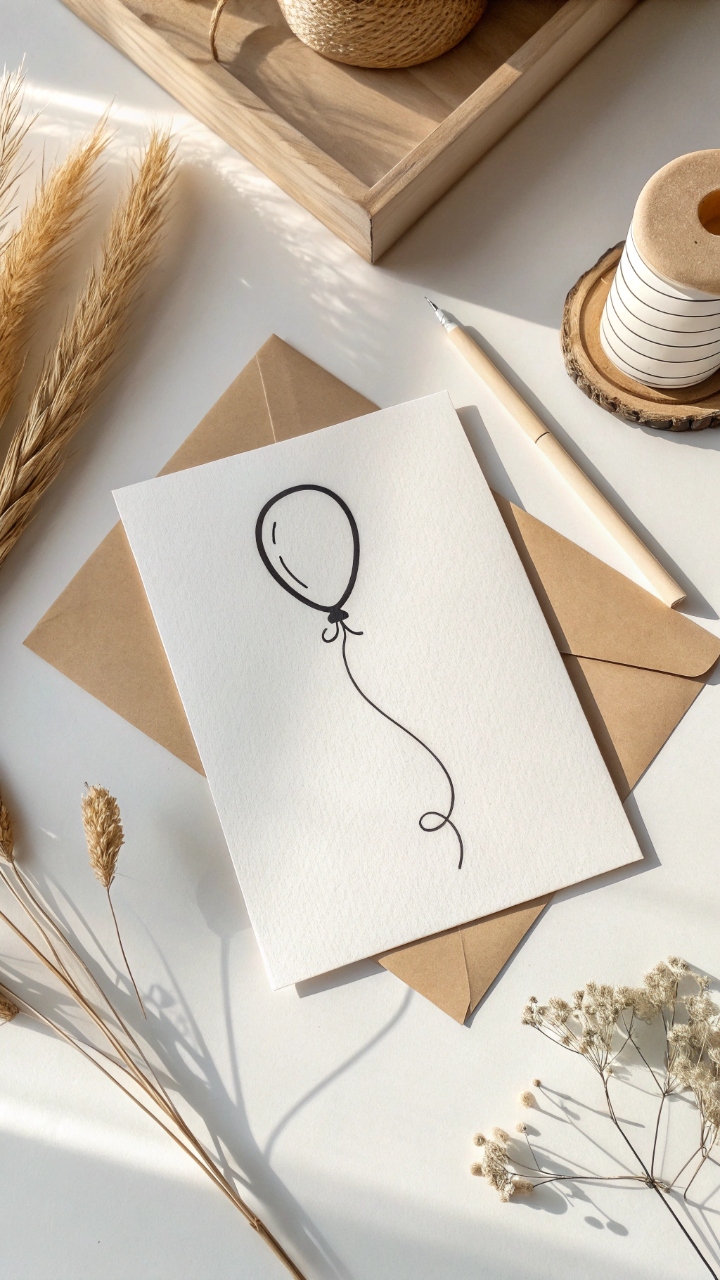
There’s something incredibly calming about a minimalist line art card, especially when you’re just starting out and don’t want to overwhelm yourself with too many elements. I once made one using just a black pen and white cardstock, drawing a simple balloon with a continuous line that felt oddly satisfying to complete. The beauty lies in its clean simplicity, where every line feels intentional and uncluttered, making the design look effortlessly chic. It’s perfect for those moments when you want something elegant but don’t have hours to spare, and honestly, it feels kind of artsy without trying too hard. Have you ever noticed how the simplest designs sometimes leave the strongest impression?
Pro Tip: Use a pencil to lightly sketch your design first, then trace over it with a fine liner for a polished finish.
Washi Tape Pattern Card
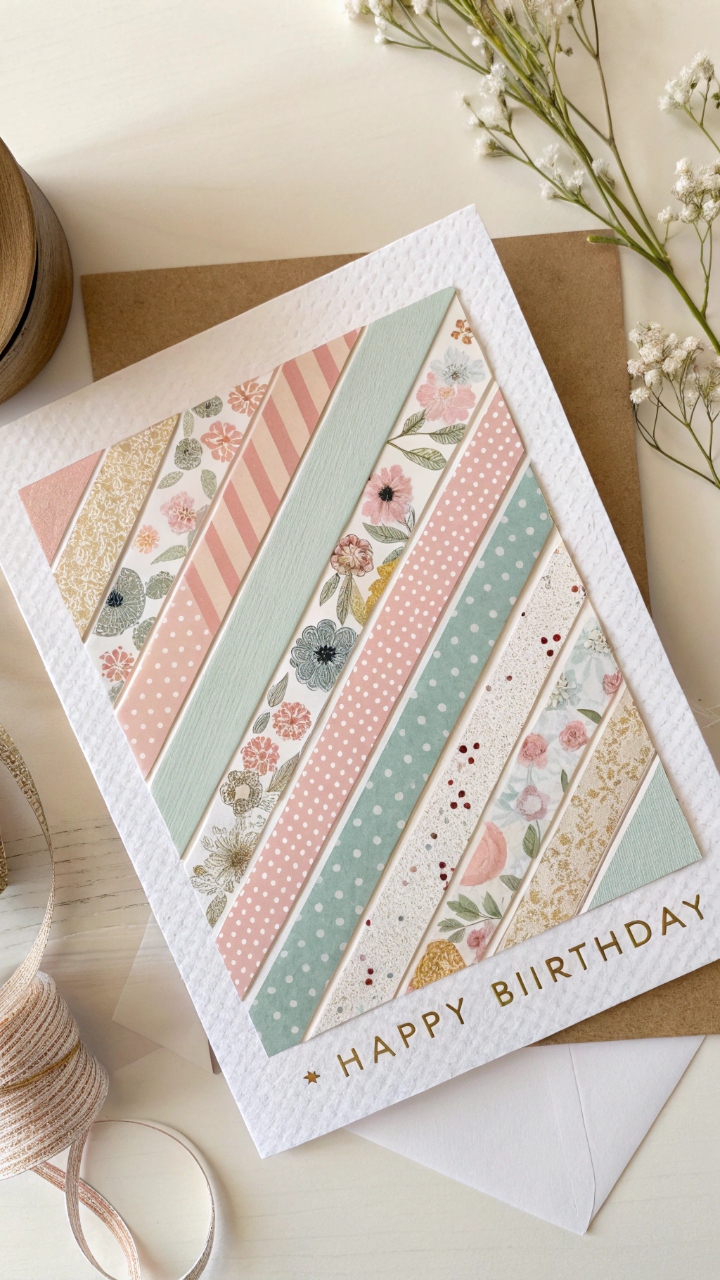
If you’ve got washi tape lying around, this idea is a total game-changer because it instantly adds color and personality without any drawing skills required. I remember layering strips in different directions, creating a patchwork effect that looked way more complicated than it actually was, and I couldn’t help but think, okay, this looks kinda pro. The textures and patterns bring a playful vibe, and you can mix florals, stripes, or even metallics to match the recipient’s style. It’s one of those designs where you can’t really mess up, which makes it perfect for beginners who just want to experiment freely. Isn’t it fun when something so simple turns out surprisingly stunning?
Pro Tip: Stick to a color palette of 2–3 shades to keep your design cohesive and visually pleasing.
Watercolor Splash Card
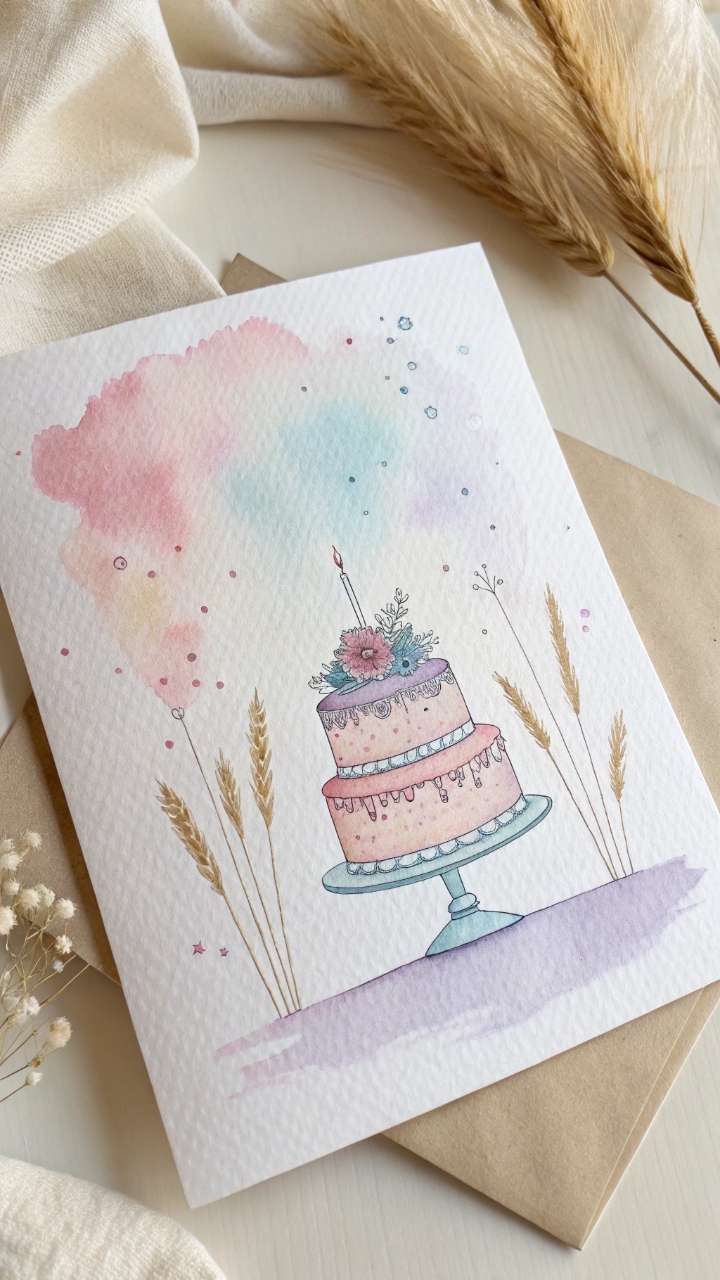
There’s something almost magical about letting watercolor paint flow freely across paper, creating soft blends and unexpected textures that feel completely unique. The first time I tried this, I was nervous about making a mess, but once I started, it felt like pure creative freedom—no rules, no pressure, just color dancing on the page. The end result had this dreamy, artistic feel that looked far more advanced than the effort I put in, which honestly felt like a win. It’s perfect for adding a soft, emotional touch to your card, especially if you want it to feel warm and expressive. Don’t you love when art surprises you in the best way?
Pro Tip: Let the paint dry completely before writing your message to avoid smudging.
Hand-Lettered Typography Card
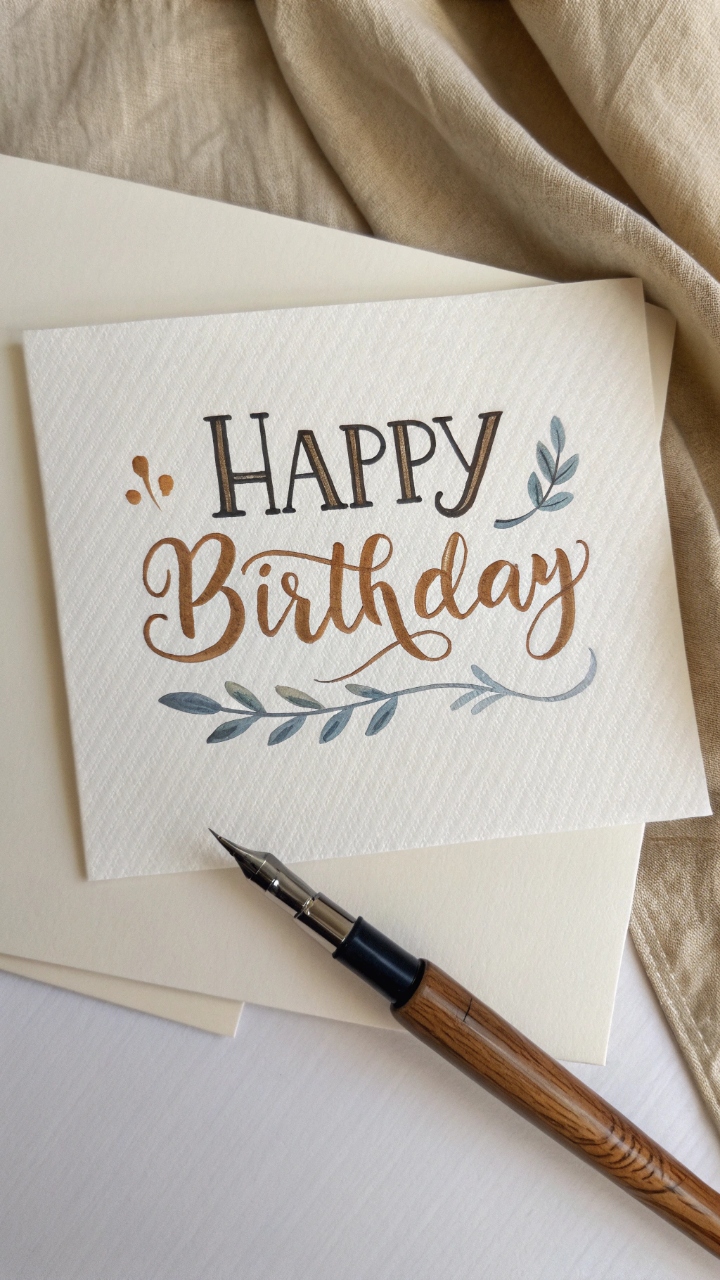
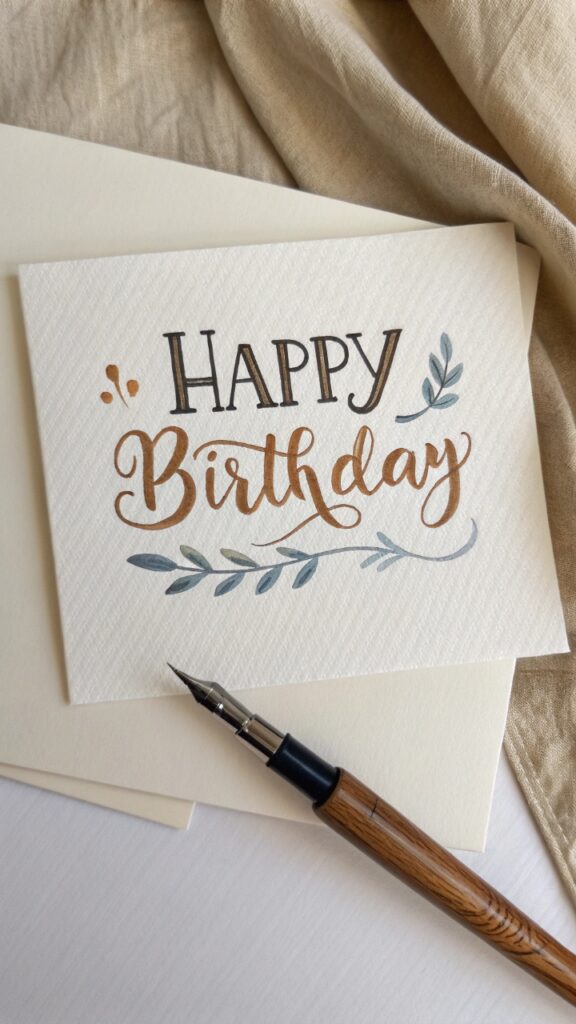
Hand-lettering can feel intimidating at first, but once you start playing with it, it becomes oddly addictive and deeply satisfying. I remember practicing simple phrases like “Happy Birthday” over and over until I found a style that felt natural, and suddenly the card became all about the message itself. The charm comes from the imperfect strokes and personal flair, making each letter feel alive and uniquely yours. Even if your handwriting isn’t perfect, that’s actually what makes it special—it feels real, not printed or generic. Have you ever noticed how handwritten words carry a kind of warmth that fonts just can’t replicate?
Pro Tip: Use light pencil guidelines to keep your lettering straight and evenly spaced.
Collage Style Card
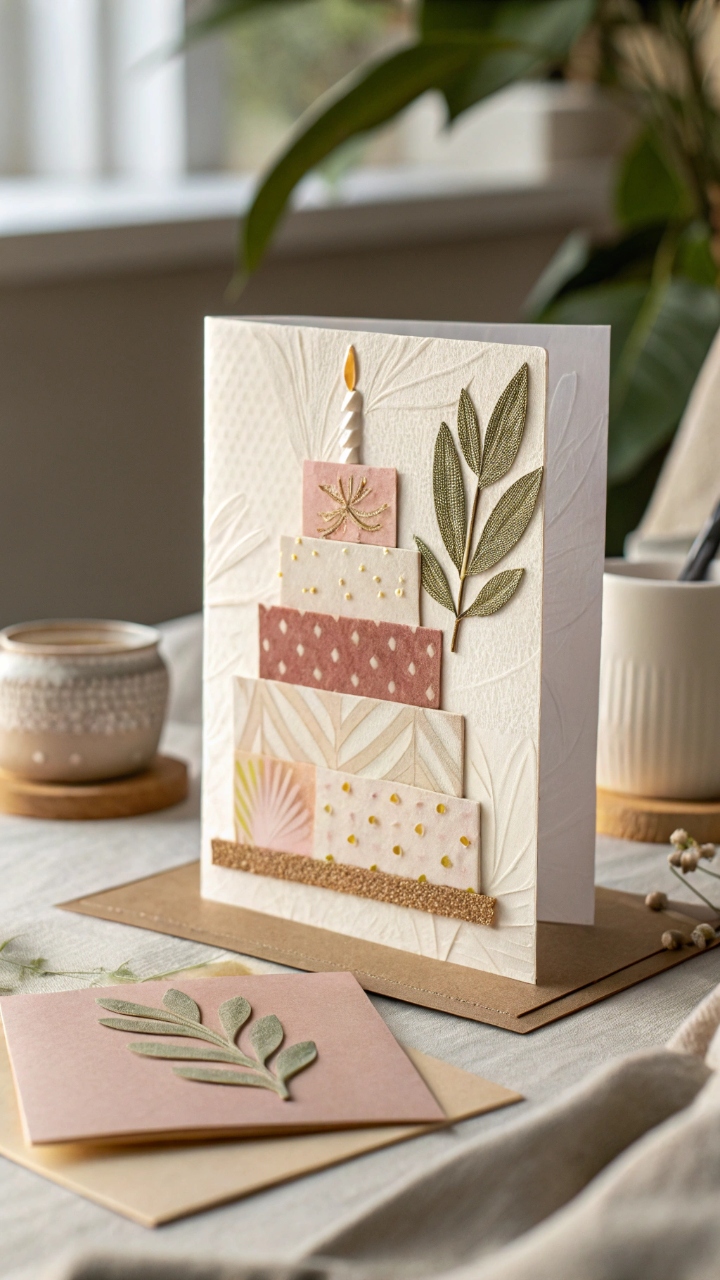
A collage-style card feels like storytelling through layers, combining different materials to create something visually rich and deeply personal. I once used old magazine cutouts, bits of wrapping paper, and even a dried leaf, and the result felt like a tiny piece of art that held so many textures and memories. It’s messy in the best way, giving you freedom to experiment without worrying about perfection, and honestly, that’s where the magic happens. The mix of colors and materials creates depth, making the card feel dynamic and full of life. Isn’t it exciting when your creativity gets to run wild like that?
Pro Tip: Arrange all elements first before gluing to ensure a balanced composition.
Pop-Up Surprise Card
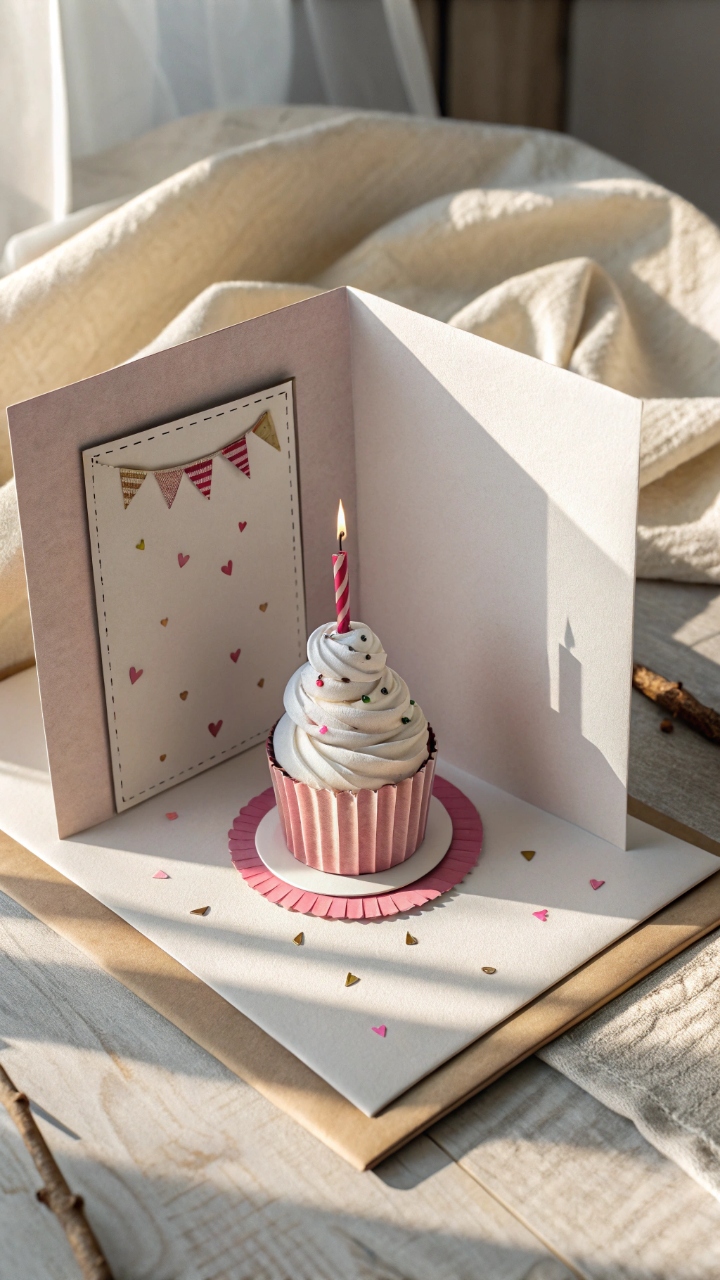
There’s something undeniably fun about opening a card and seeing a pop-up element spring to life, adding an unexpected moment of delight. The first time I made one, I kept opening and closing it just to watch the design move, like a kid discovering something new. It may sound complicated, but simple pop-up techniques are surprisingly beginner-friendly and incredibly rewarding. The added dimension makes your card feel interactive, turning a simple gesture into an experience. Who wouldn’t smile at a card that literally pops with personality?
Pro Tip: Use thicker paper for the base to support the pop-up structure.
Pressed Flower Card
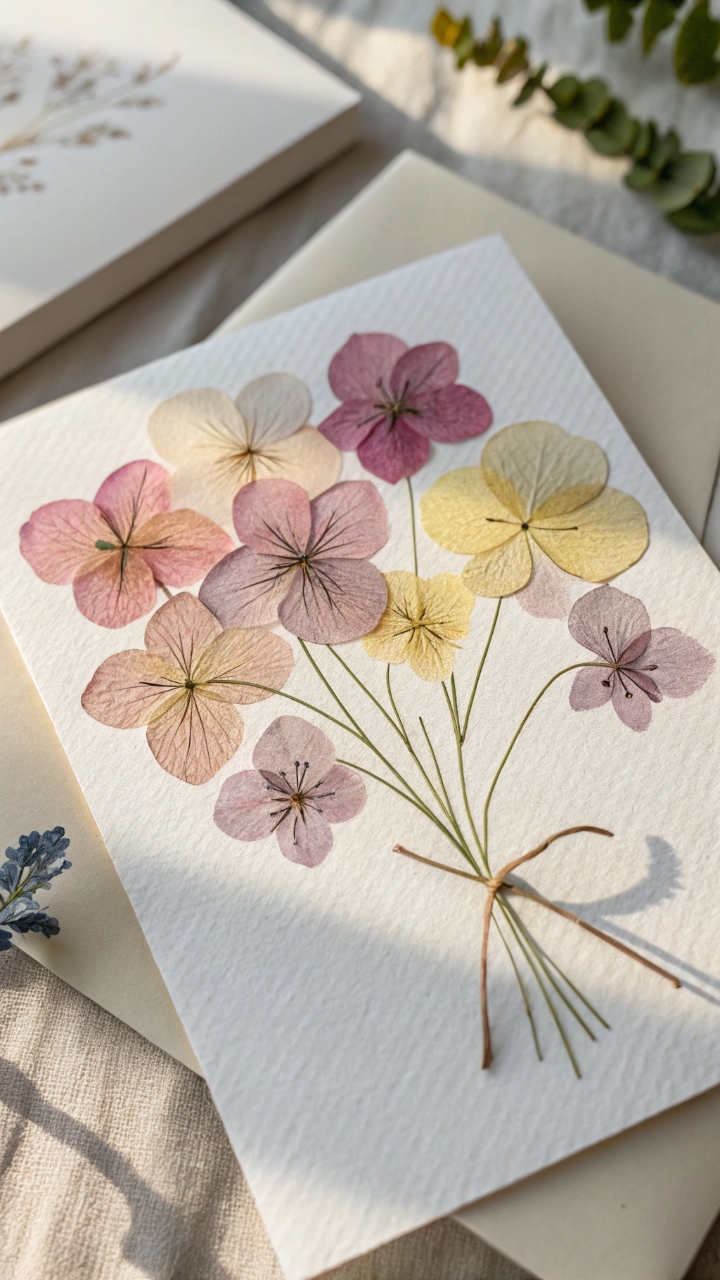
Using pressed flowers instantly adds a delicate, almost poetic quality to your card that feels timeless and heartfelt. I once pressed flowers from my garden and used them on a birthday card, and it felt like I was giving a small piece of nature along with my message. The soft textures and natural colors create a gentle, romantic aesthetic that’s hard to replicate with anything else. It’s perfect for anyone who appreciates subtle beauty and thoughtful details. Doesn’t it feel special to give something that took time and care to create?
Pro Tip: Seal the flowers with clear adhesive or laminate to preserve them longer.
Sticker-Themed Card
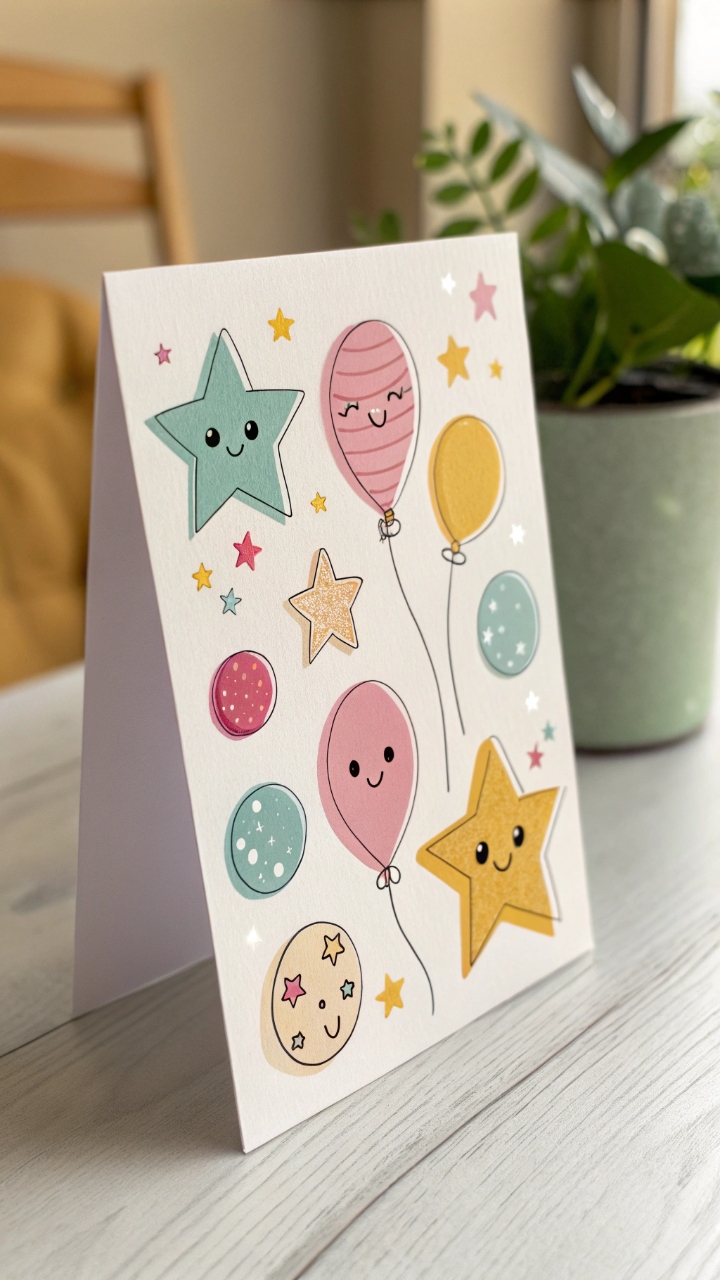
Sometimes you just want something fun, easy, and a little playful, and that’s exactly where sticker-themed cards shine. I’ve made these on days when I didn’t feel like overthinking, just placing stickers in a way that felt joyful and spontaneous. The variety of designs lets you tailor the card to any personality, whether it’s cute, bold, or totally quirky. It’s one of those low-effort, high-impact ideas that still feels thoughtful and creative. Who says simple can’t be meaningful, right?
Pro Tip: Combine different sticker sizes to create visual interest and balance.
Cut-Out Shape Card
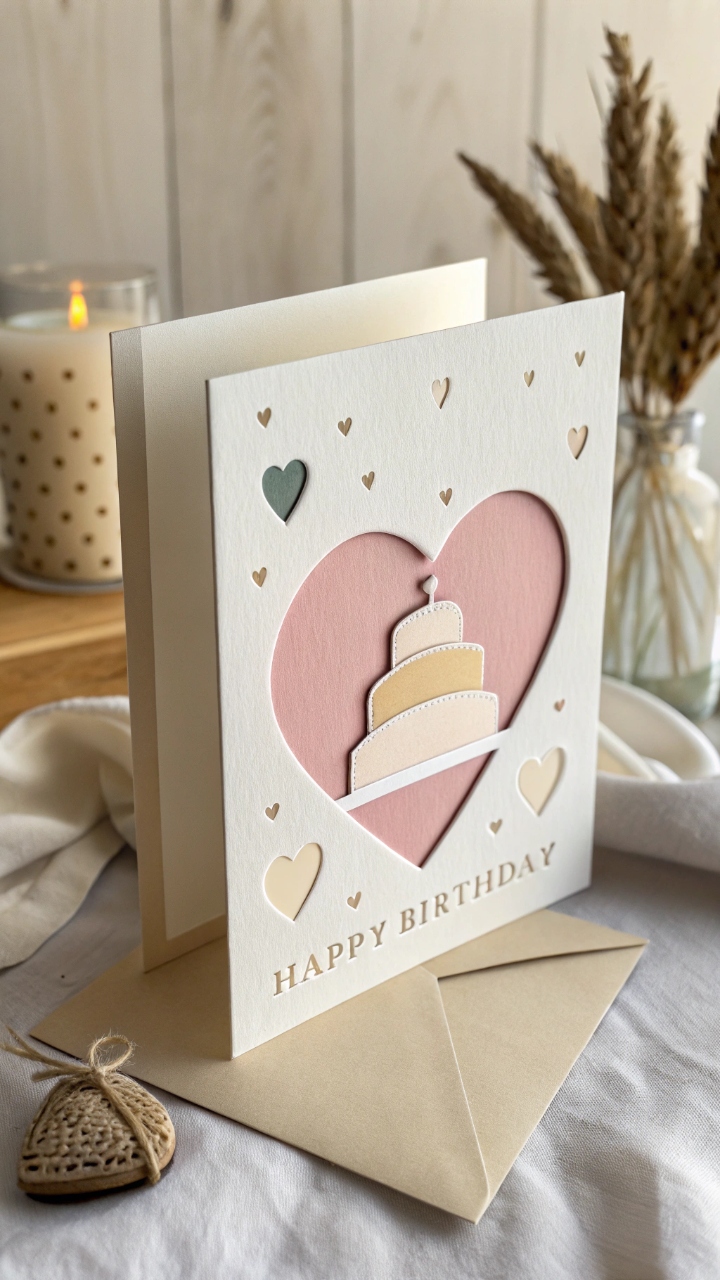
Cut-out shapes can transform a plain card into something visually striking with just a bit of creativity and patience. I once cut a simple heart shape out of the front and layered colored paper underneath, and it created this beautiful peek-through effect that felt surprisingly elegant. The contrast between layers adds depth without requiring complicated techniques, making it perfect for beginners. It’s a subtle way to make your design stand out while keeping things clean and intentional. Isn’t it amazing how a small detail can make such a big difference?
Pro Tip: Use a craft knife for cleaner, more precise edges.
Photo Memory Card
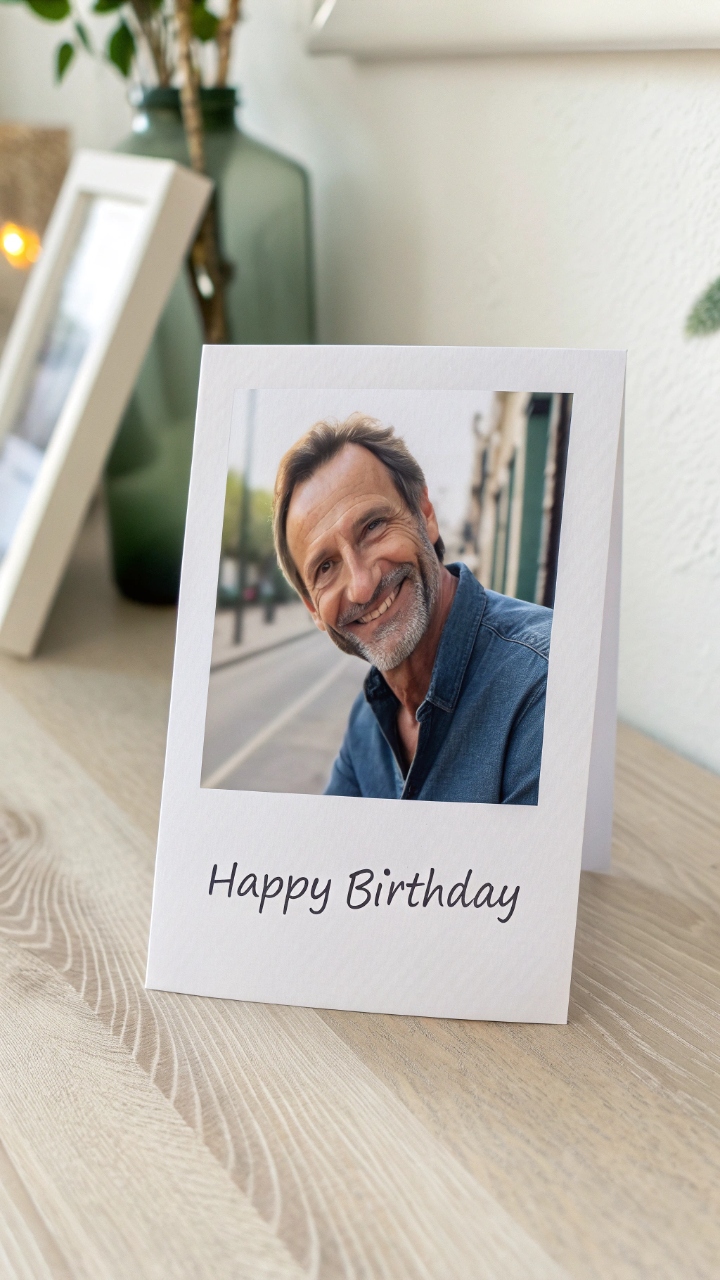
A photo memory card feels deeply personal because it captures a moment that already holds meaning, turning your card into a keepsake. I love choosing photos that tell a story, like a shared laugh or a quiet memory, and building the design around that emotion. It instantly makes the card feel more intimate and thoughtful, like you’re giving a piece of your shared history. The combination of visuals and words creates a layered experience that resonates on a deeper level. Don’t memories make the best gifts sometimes?
Pro Tip: Use double-sided tape to securely attach photos without wrinkling them.
Doodle Art Card
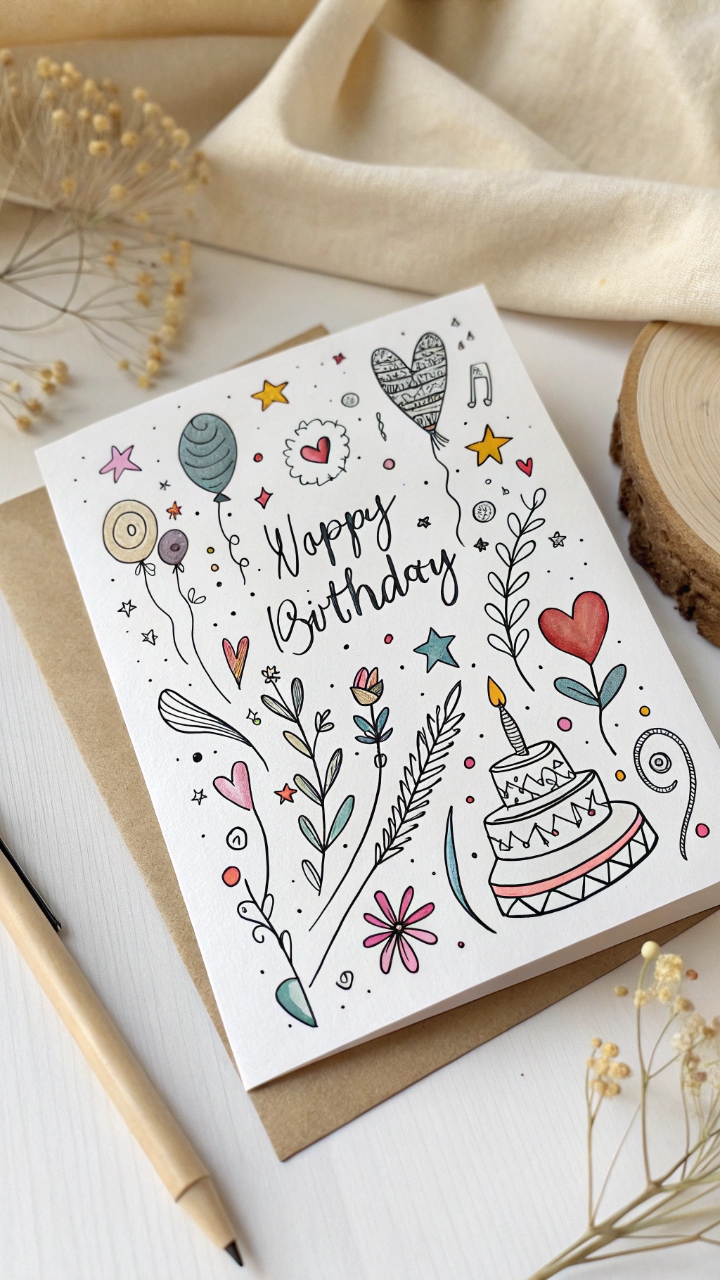
Doodle art is perfect when you want to relax and let your creativity flow without overthinking every detail. I’ve spent hours just filling a card with random patterns, shapes, and little drawings, and somehow it always comes together in a way that feels fun and expressive. The beauty is in the spontaneity, where every line feels like a reflection of your mood in that moment. It’s playful, personal, and completely pressure-free, which makes it ideal for beginners. Isn’t it refreshing to create something without worrying about perfection?
Pro Tip: Use a black pen for outlines and add pops of color afterward.
Fabric Scrap Card
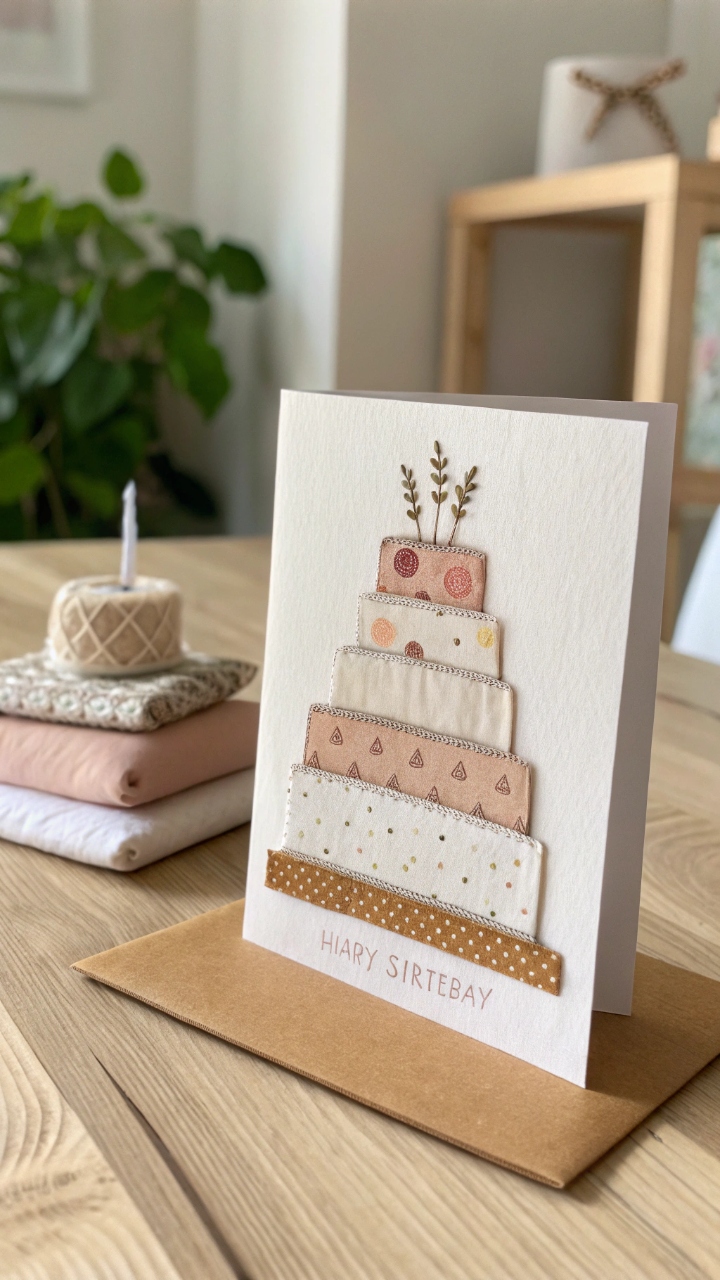
Using fabric scraps adds a tactile, cozy element to your card that instantly makes it feel warm and unique. I once used leftover fabric from an old project, and the textures brought a richness that paper alone couldn’t achieve. The mix of soft materials and paper creates contrast, making the design feel layered and interesting. It’s a great way to reuse materials while creating something meaningful and beautiful. Don’t you love when creativity meets sustainability?
Pro Tip: Use fabric glue to ensure the pieces stay securely in place.
Glitter Accent Card
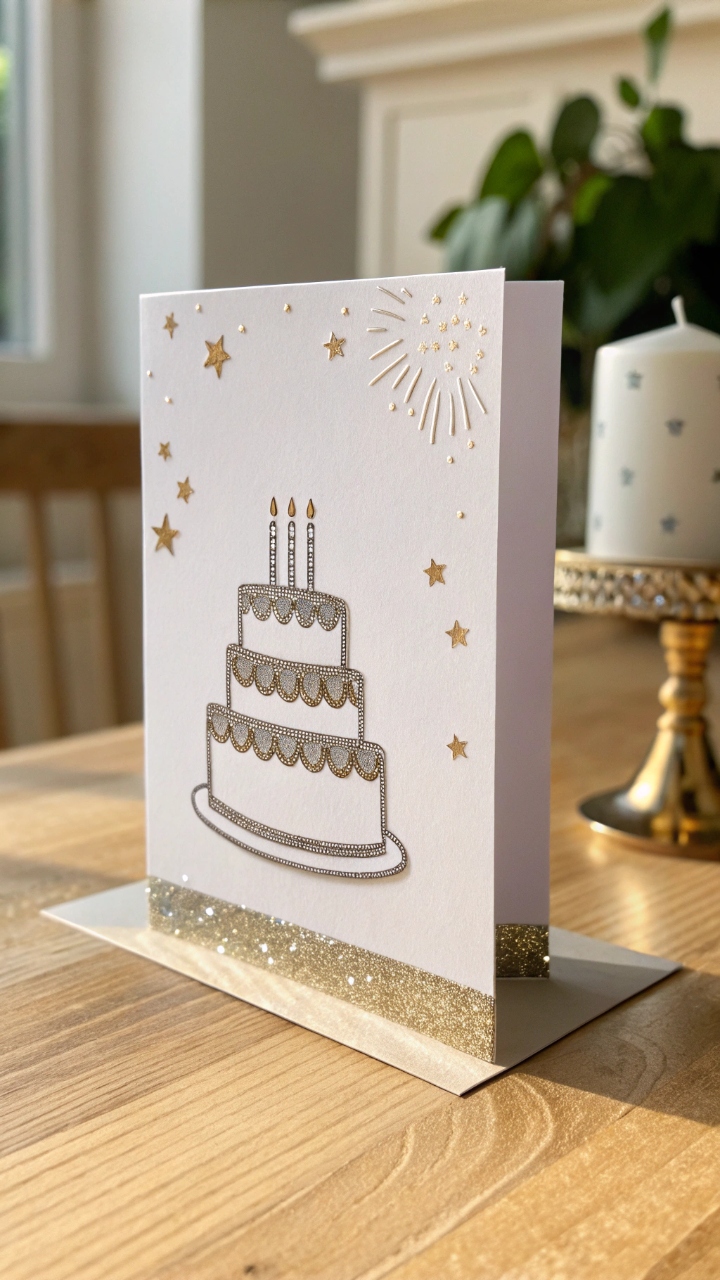
A little glitter can go a long way in making your card feel festive and eye-catching without overwhelming the design. I remember adding just a touch of sparkle to the edges of a card, and it instantly elevated the whole look, giving it that celebratory vibe. The key is using it thoughtfully, letting it enhance rather than dominate the design. It’s perfect for birthdays because it adds that extra sense of joy and excitement. Who doesn’t love a bit of sparkle on a special day?
Pro Tip: Apply glitter over glue with a small brush for better control.
Layered Paper Card
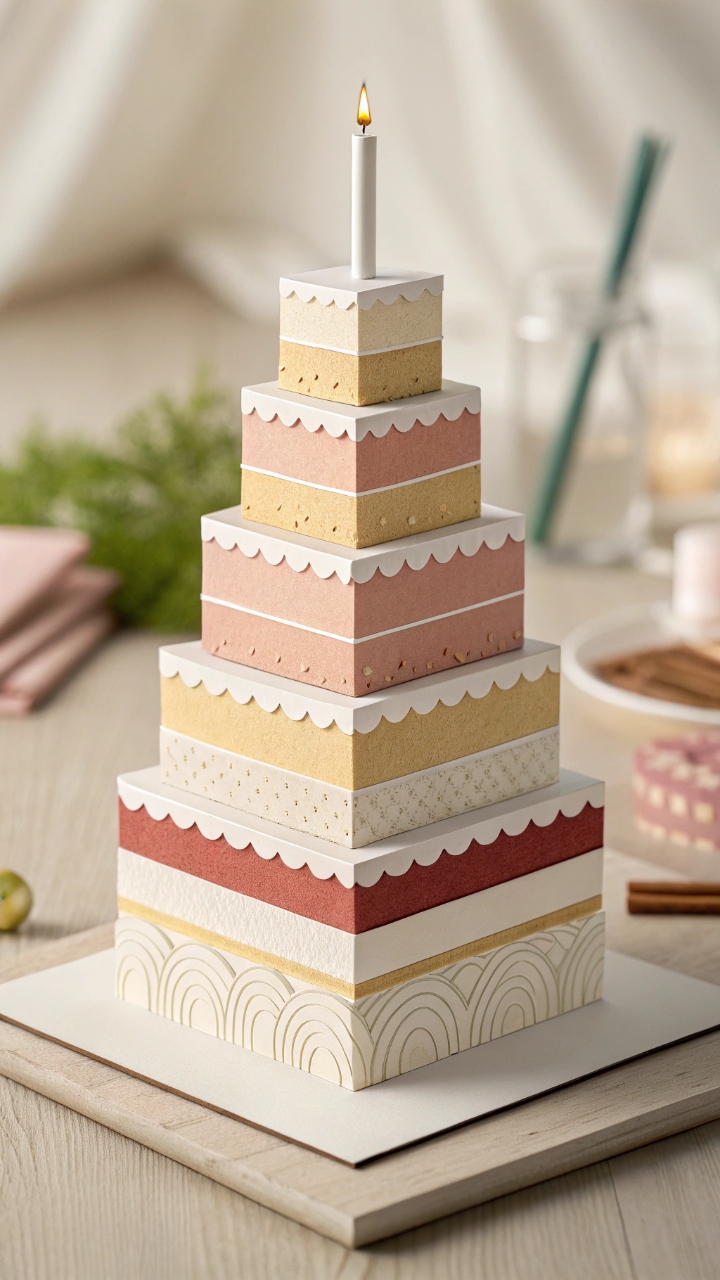
Layering different pieces of paper creates depth and dimension that makes your card feel more dynamic and visually engaging. I love experimenting with colors and textures, stacking them in a way that feels balanced yet interesting. The layers create a sense of movement, guiding the eye across the design and adding a subtle sophistication. It’s simple to do but incredibly effective, making it a go-to technique for beginners. Isn’t it satisfying when something easy looks so thoughtfully designed?
Pro Tip: Use foam tape between layers to add extra dimension.
Conclusion
In the end, making birthday cards isn’t really about achieving perfection or creating something that looks professionally made—it’s about the intention behind every cut, every color choice, and every little detail you add. When you sit down and create something with your hands, you’re putting a piece of yourself into it, and that’s something no store-bought card can ever replicate. The process itself becomes part of the gift, filled with quiet moments of thought and care that the recipient can actually feel when they hold it.
As you explore these ideas, you’ll start to notice your own style emerging, little preferences that make your cards uniquely yours. Maybe you’ll gravitate toward soft watercolor blends or bold collage layers, or maybe you’ll mix everything together and create something entirely new. And honestly, that’s the best part—there are no strict rules, just endless possibilities waiting for you to try, tweak, and make your own.
So the next time a birthday comes around, instead of rushing to the store, consider sitting down with some simple materials and giving one of these ideas a shot. You might surprise yourself with what you create, and more importantly, you’ll give something that feels genuine, thoughtful, and deeply personal. And who knows? This small, creative habit might just become one of your favorite ways to connect with the people you care about most.