
There was a time when my garden felt a little too quiet, like it was missing a heartbeat I couldn’t quite name. I had the plants, the textures, even a cozy little bench tucked into the corner, but something about it still felt unfinished, almost like a stage waiting for its actors. One morning, I noticed a small bird perched on a bare branch, cautiously looking around before flying off again, and that moment stayed with me longer than I expected. It made me realize how much life birds could bring into a space, not just visually, but emotionally too, like tiny messengers of movement and sound.
So I decided to start small, nothing fancy, just a simple DIY bird feeder made from things I already had at home. I remember hanging it near the window, half-expecting nothing to happen, but within days, the soft flutter of wings and gentle chirping began filling the air. It felt oddly comforting, like my garden had finally found its rhythm, and honestly, it gave the whole space a kind of soul I didn’t know it was missing. Have you ever experienced something that simple completely change how a space feels?
That first feeder turned into a bit of an obsession, not gonna lie, because once I saw how much charm it added, I wanted more. I started experimenting with rustic designs, leaning into natural textures, weathered materials, and pieces that felt like they truly belonged outdoors. Each feeder became not just functional, but a part of the garden’s story, blending in while still adding character. And if you’ve ever wanted your outdoor space to feel more alive, more grounded, and honestly just a little more magical, these ideas might be exactly what you’re looking for.
Mason Jar Hanging Feeder
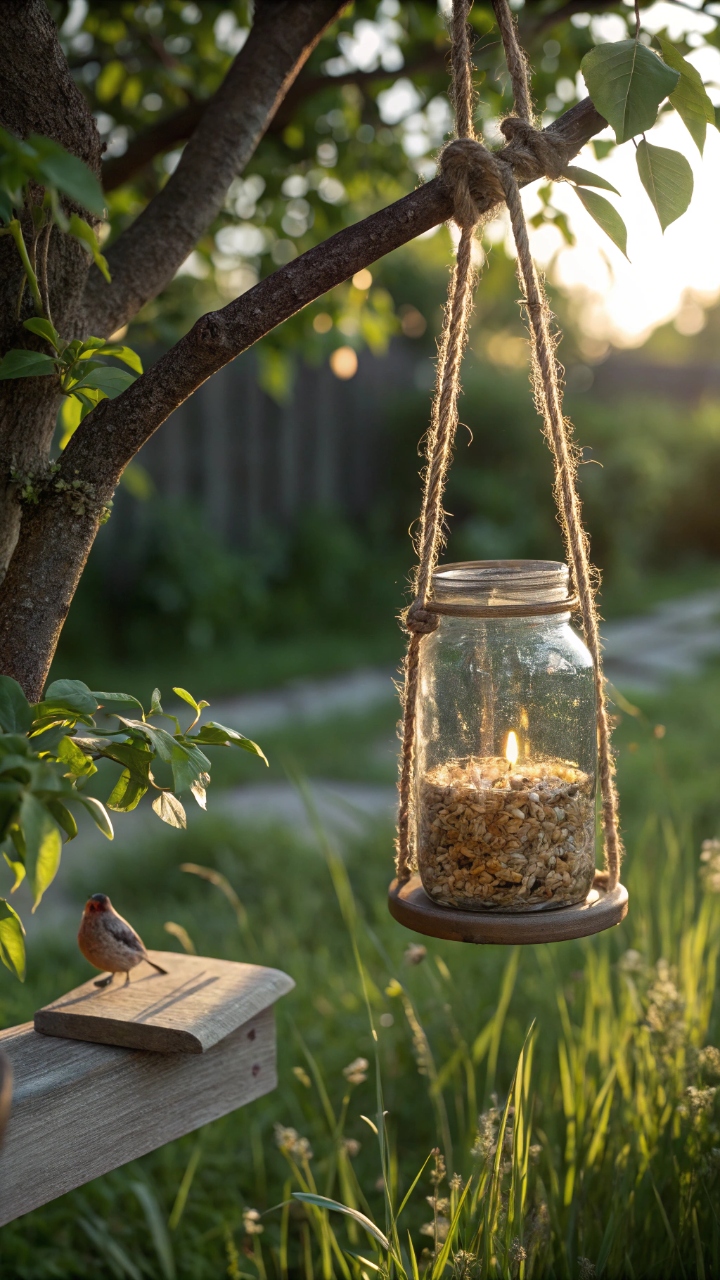
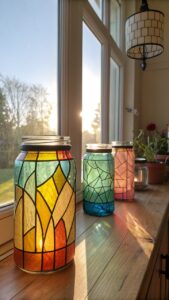
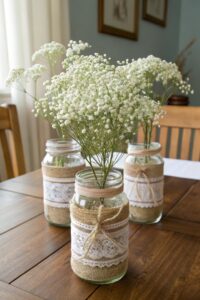
There’s something effortlessly charming about using a mason jar as a bird feeder, especially when it catches the sunlight and glows softly among greenery, almost like a tiny lantern with a purpose. I remember tying one with thick twine and hanging it from a low branch, watching how the seeds inside shifted with every breeze, creating this subtle, soothing movement. It’s simple, but that simplicity is exactly what makes it feel so right, like it belongs there without trying too hard. Have you noticed how glass paired with natural elements creates that perfect rustic contrast? Adding a wooden base or a small perch transforms it into a welcoming spot for birds, and suddenly your garden feels more alive. It’s one of those projects that looks way more impressive than the effort it takes, which is always a win.
Pro Tip: Use a slightly tilted jar angle so seeds naturally flow toward the opening for easier feeding.
Teacup and Saucer Feeder
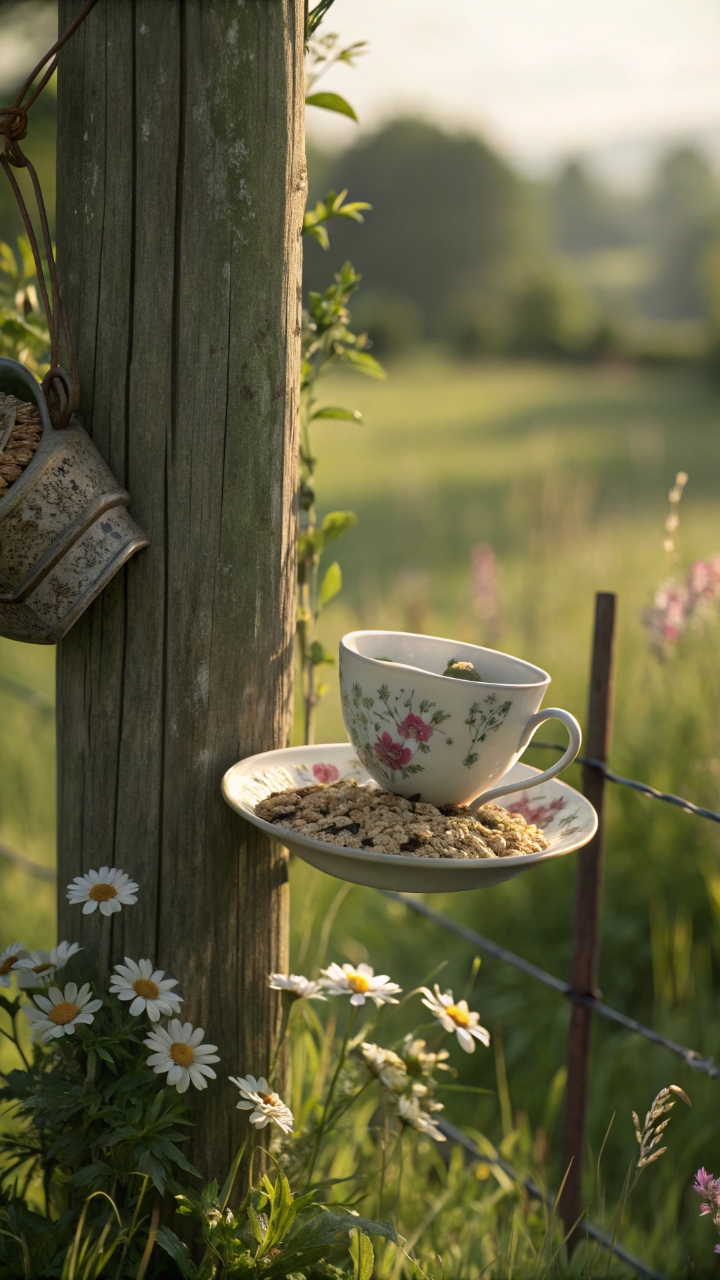
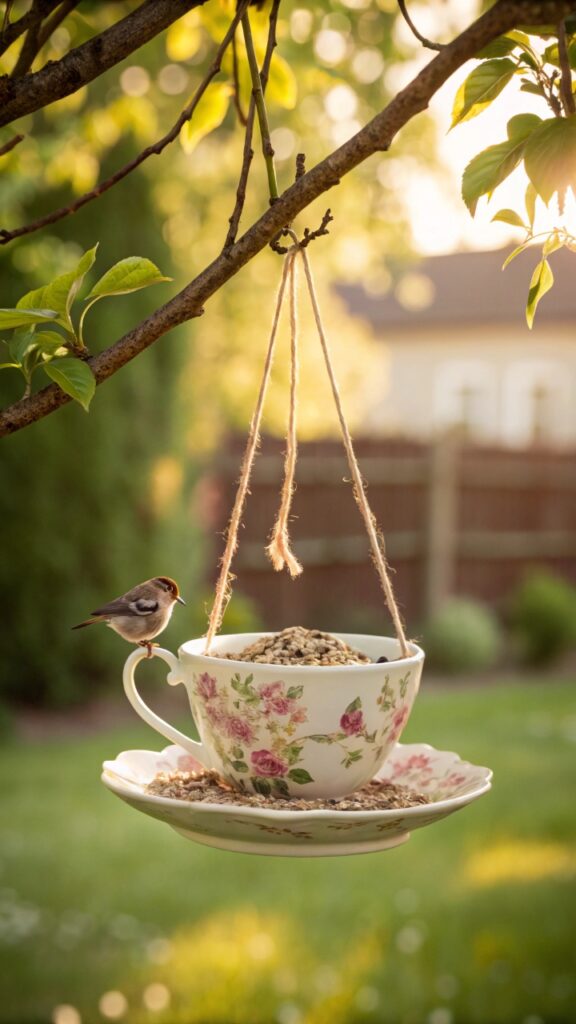
This one feels like stepping into a storybook, especially if you use mismatched or vintage teacups that already have a bit of character. I once glued a delicate cup to its saucer and mounted it onto a wooden post, and the result was honestly kinda adorable in a way that felt both playful and nostalgic. Birds perched on the edge like they were invited guests at a tiny garden party, which made the whole scene feel whimsical without being over the top. Have you ever noticed how small details like this can shift the mood of a space instantly? The mix of ceramic shine and earthy surroundings creates a beautiful balance, making it stand out just enough. It’s quirky, it’s charming, and it brings a gentle personality into your garden.
Pro Tip: Use weather-resistant adhesive to ensure the cup stays secure through changing seasons.
Wooden Log Feeder
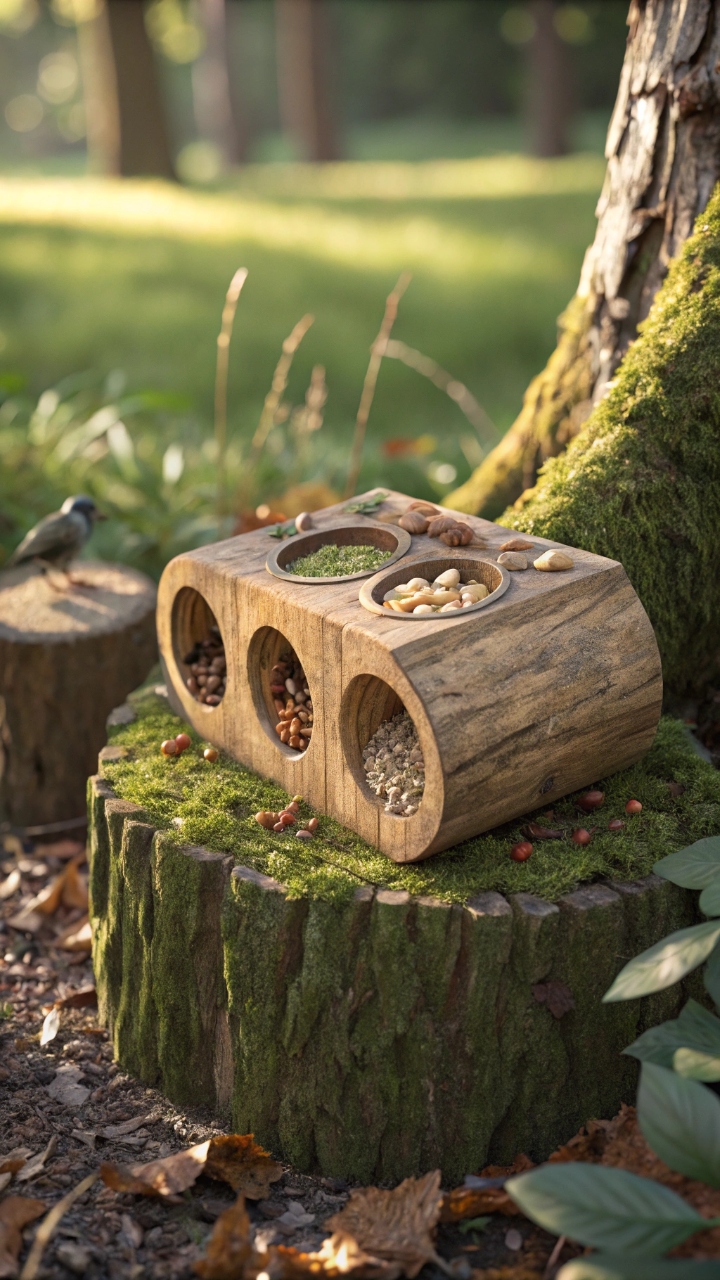
There’s a raw, grounded beauty in using a hollowed-out log as a bird feeder, something that feels deeply connected to nature without any extra fuss. I remember finding an old piece of wood, carving shallow holes into it, and filling them with seeds, and it instantly blended into the landscape like it had always been there. Birds seemed to trust it more quickly too, maybe because it didn’t feel foreign or artificial. Isn’t it interesting how natural materials create a sense of familiarity even for wildlife? The rough texture and organic shape give it a rugged charm that’s hard to replicate, and it ages beautifully over time. It’s the kind of piece that doesn’t just decorate your garden but becomes part of it.
Pro Tip: Drill multiple shallow holes to hold different types of seeds and attract a variety of birds.
Coconut Shell Feeder
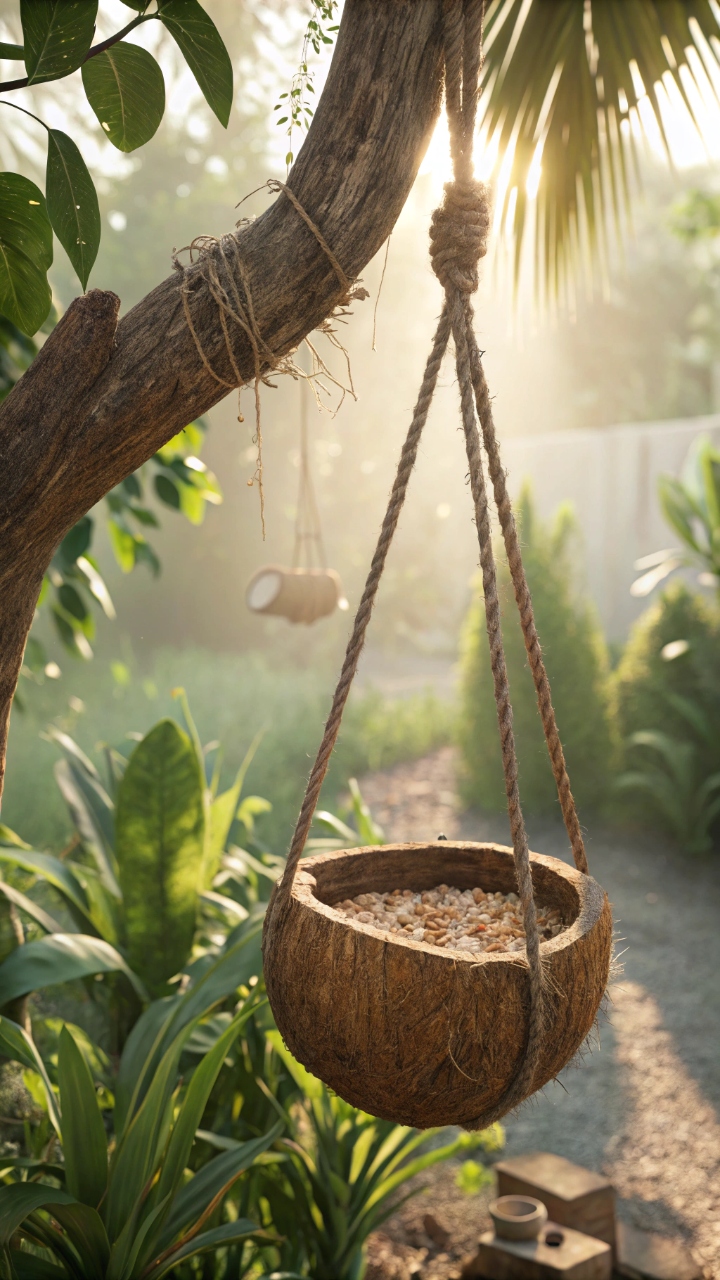
Using a coconut shell feels both resourceful and visually satisfying, especially with its earthy tones and natural curvature. I once split a coconut in half, cleaned it out, and hung it with rope, and it instantly gave off this tropical rustic vibe that felt surprisingly calming. There’s something about its imperfect shape that makes it stand out in the best way, like it wasn’t designed but simply discovered. Have you ever noticed how organic shapes make a space feel more relaxed and less staged? It’s lightweight, durable, and naturally weather-resistant, which makes it super practical too. Plus, it adds a subtle exotic touch without clashing with a rustic garden aesthetic.
Pro Tip: Drill small drainage holes at the bottom to prevent water from collecting inside.
Wine Bottle Feeder
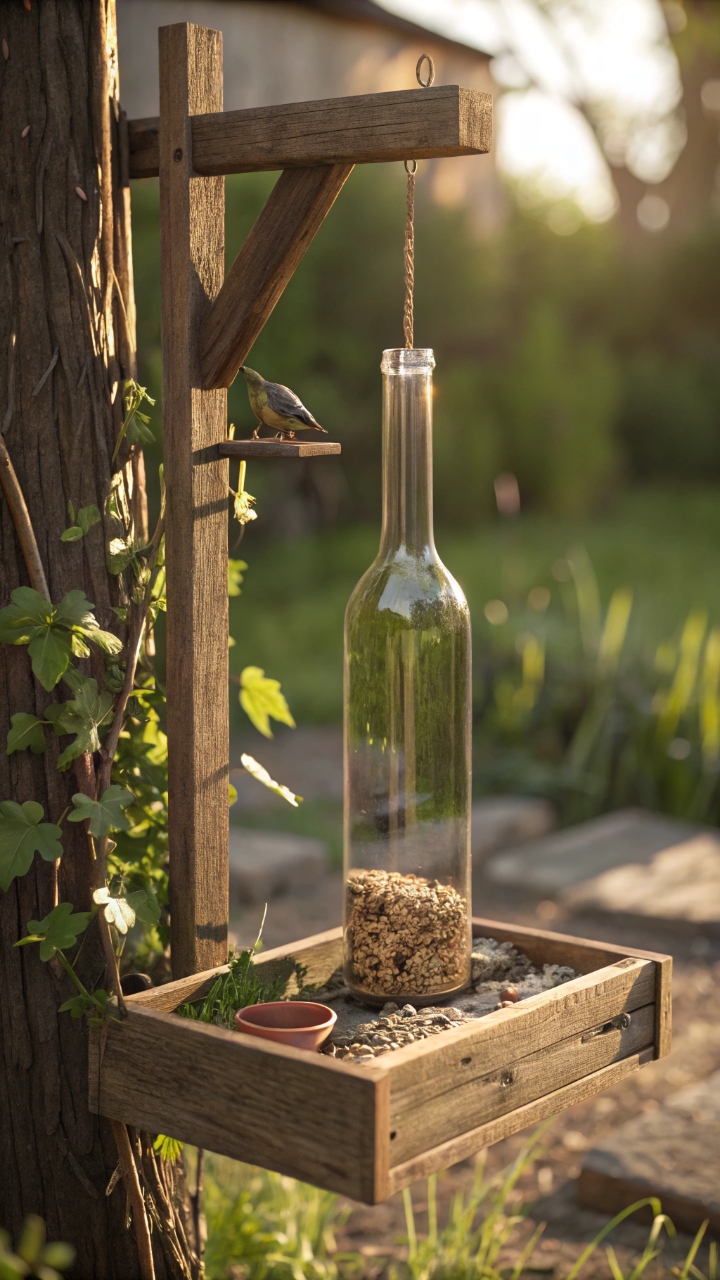
Repurposing a wine bottle into a feeder adds a sleek yet rustic feel that’s honestly pretty cool when done right. I remember attaching one upside down onto a wooden frame, watching how the seeds slowly dispensed into the tray below, creating this almost hypnotic effect. It’s a clever design that feels both functional and artistic, especially when the glass catches light throughout the day. Doesn’t it feel satisfying to turn something ordinary into something meaningful? The vertical structure saves space while adding visual height to your setup, which is perfect for smaller gardens. It’s one of those designs that quietly stands out without being flashy.
Pro Tip: Secure the bottle tightly to prevent shifting, especially during windy days.
Tin Can Feeder
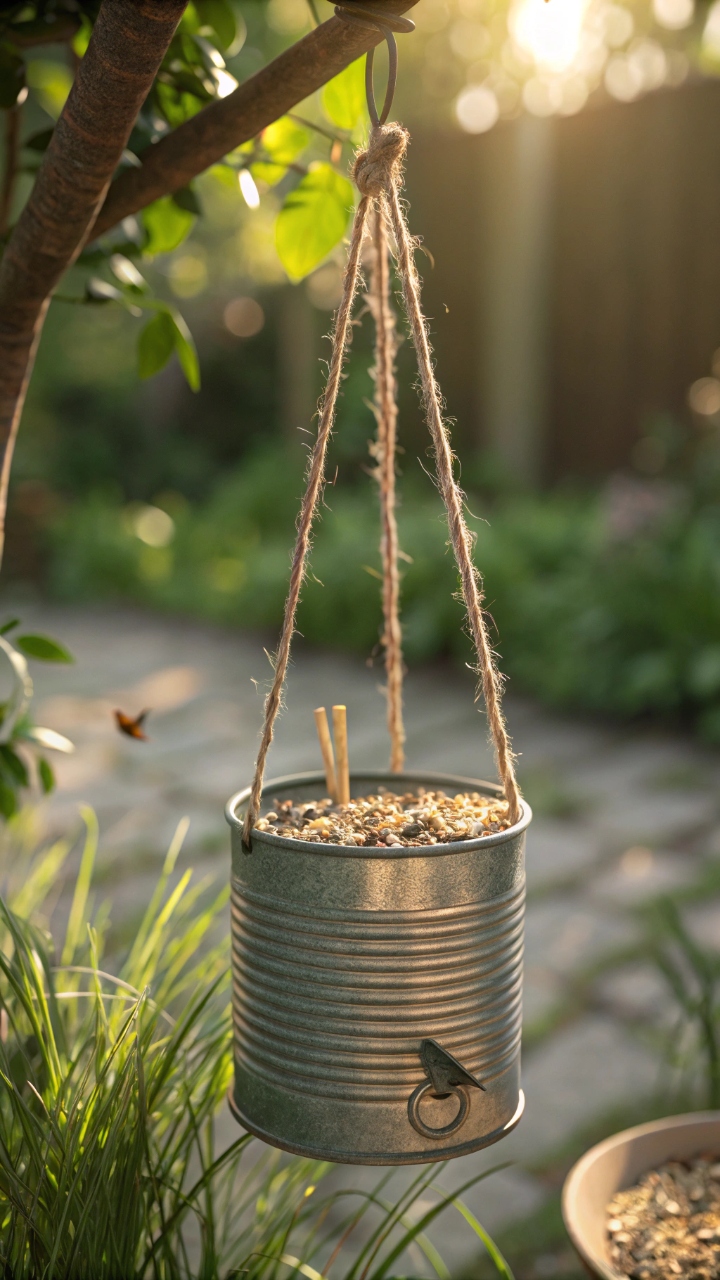
I’ll admit, I didn’t expect much from a simple tin can, but once I decorated it and hung it horizontally, it turned into something surprisingly charming. There’s a certain rugged simplicity to it that fits perfectly into a rustic garden, especially when paired with natural rope or twine. Birds hopped in and out like it was their little hideout, which made it feel unexpectedly lively. Have you ever underestimated something only to have it completely surprise you? Its durability and ease of customization make it a go-to option for quick DIY projects, especially if you’re just starting out. It’s simple, but it works, and sometimes that’s all you need.
Pro Tip: Add small wooden sticks inside as perches for easier access.
Clay Pot Feeder
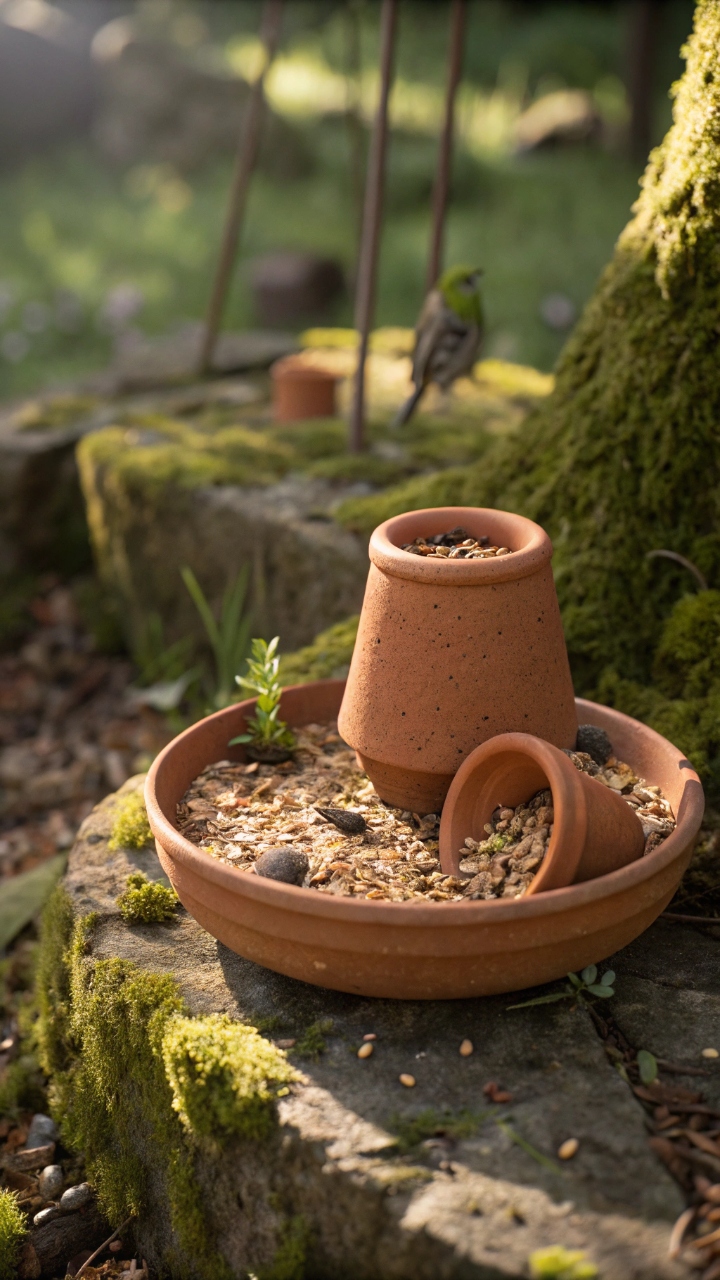
Clay pots have this warm, earthy tone that instantly brings a grounded feeling to any outdoor space, and turning one into a feeder just feels like a natural extension of that. I once flipped a small pot upside down and paired it with a saucer, creating a design that looked both rustic and intentional. There’s a quiet elegance to it that doesn’t demand attention but still adds depth to your garden. Don’t you love when something feels timeless without trying too hard? The porous texture blends beautifully with soil, plants, and stone, creating a cohesive look. It’s subtle, but it makes a difference.
Pro Tip: Seal the pot to protect it from moisture and extend its lifespan.
Pinecone Peanut Butter Feeder
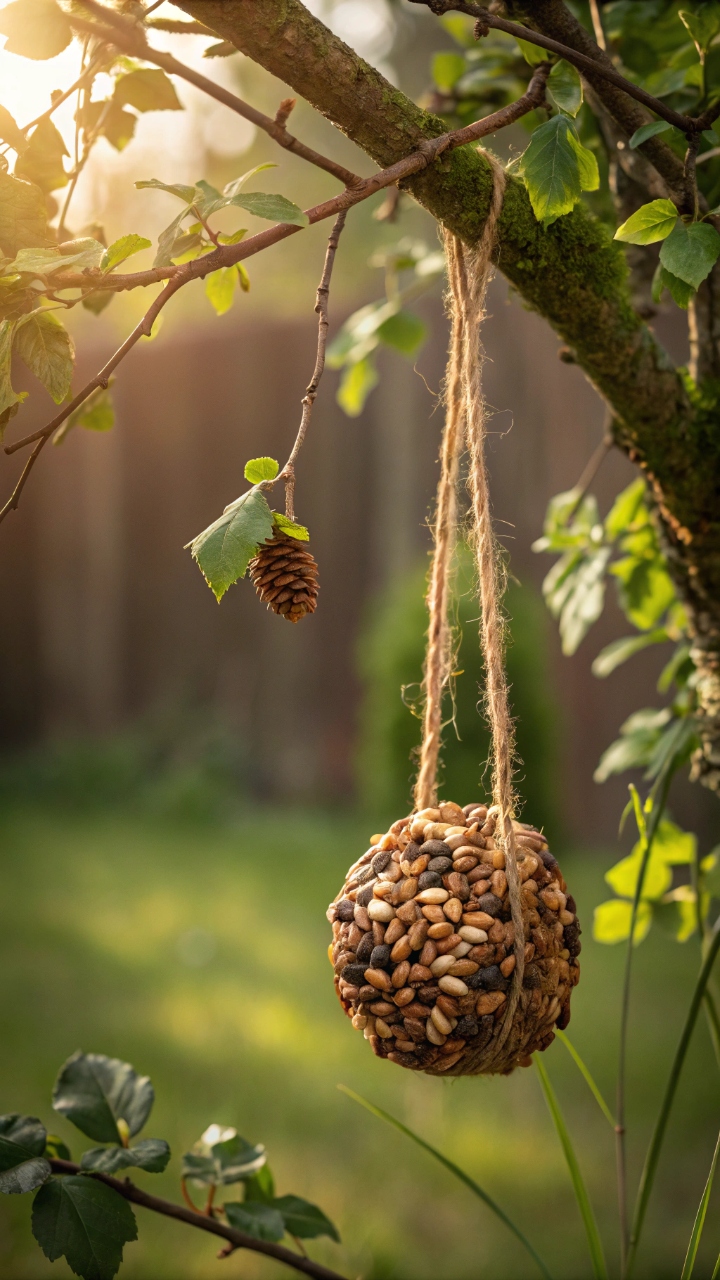
This one is pure fun, and honestly, it brings out that creative, slightly messy side that makes DIY projects so enjoyable. I remember coating a pinecone in peanut butter, rolling it in birdseed, and hanging it up, and it instantly became a hit. Birds flocked to it quickly, probably because of how accessible and natural it felt. Isn’t it satisfying when something so simple works so well? The texture of the pinecone holds seeds perfectly while adding a woodland aesthetic, making it feel right at home in any garden. It’s quick, easy, and surprisingly effective.
Pro Tip: Use unsalted peanut butter to keep it safe for birds.
Hanging Basket Feeder
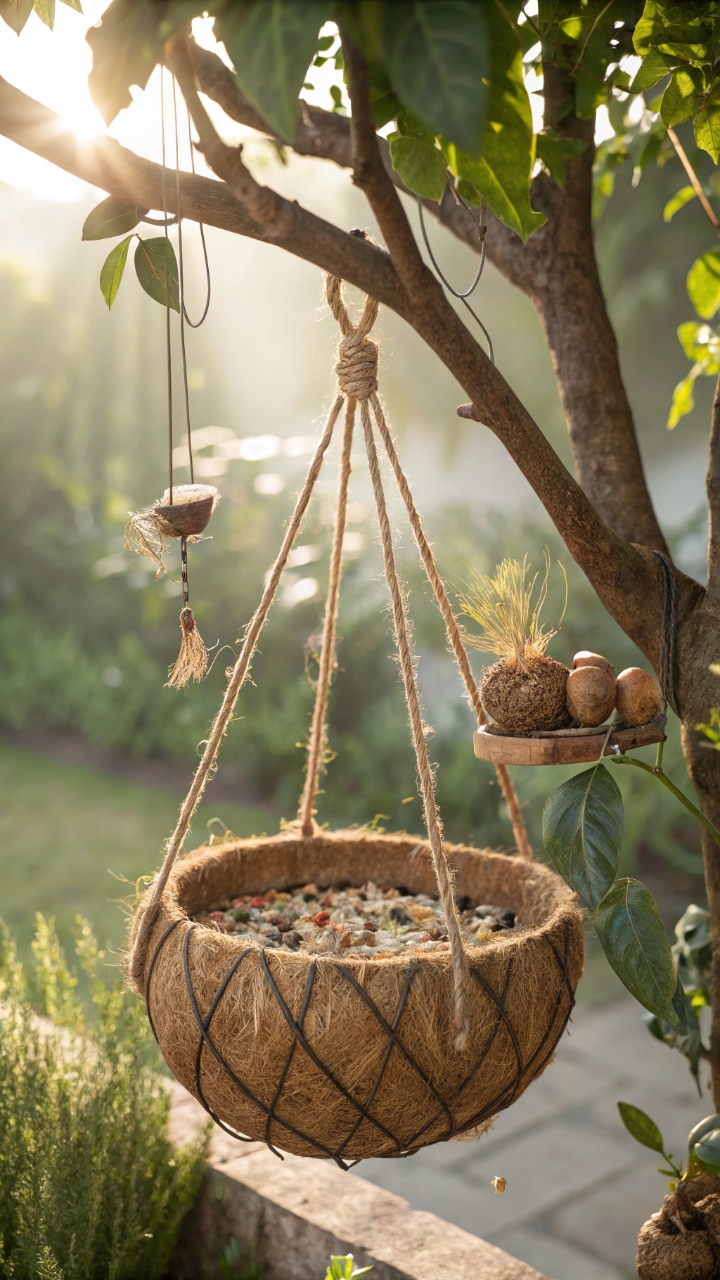
There’s something about repurposing a hanging basket that feels both practical and visually appealing, especially when it’s lined with natural fibers. I once filled one with seeds and added a few decorative touches, and it created this cozy, inviting focal point. Birds gathered around it like it was a shared space, which made the garden feel more communal in a way. Have you ever noticed how certain designs encourage more activity? The open structure allows multiple birds to feed at once, making it lively and dynamic. It’s functional, but it also adds a sense of movement.
Pro Tip: Use a mesh lining to prevent seeds from falling through too quickly.
Wooden Spoon Feeder
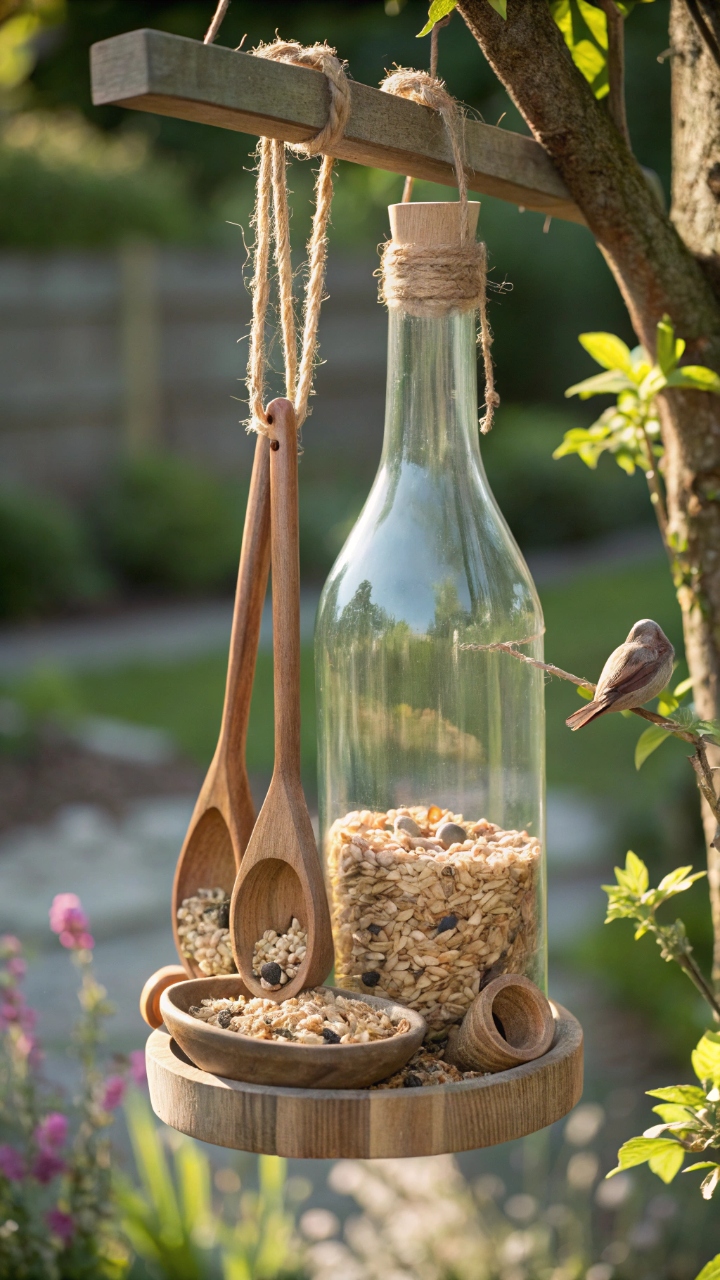
This idea came from a moment of curiosity, and honestly, it turned out way cooler than I expected. Attaching wooden spoons to a bottle feeder created little resting spots that birds seemed to love. It added a quirky detail that felt both creative and practical, giving the feeder a bit of personality. Have you ever tried something random that just worked? The combination of wood and glass creates a balanced rustic-modern look, which adds interest without overwhelming the space. It’s playful, but still grounded.
Pro Tip: Position spoons at slight angles to hold extra seeds.
Pallet Wood Feeder
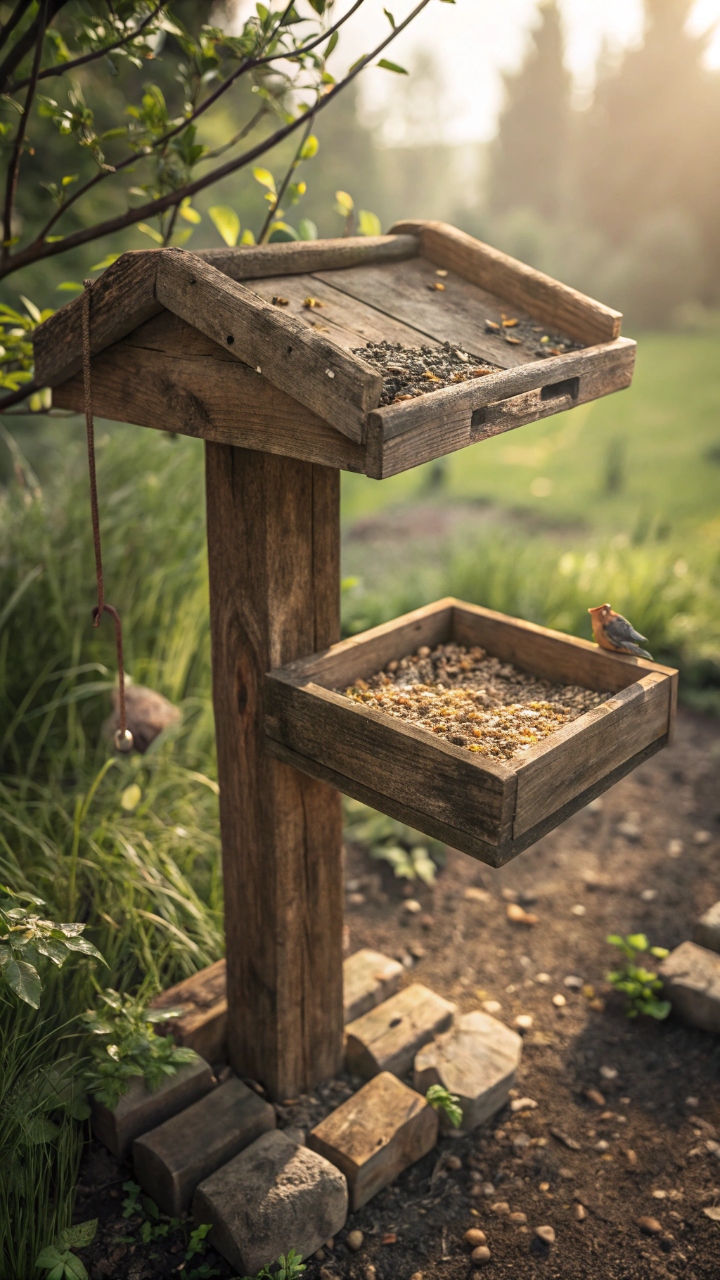
Using pallet wood gives your feeder that authentic, weathered look that feels like it’s been part of the garden forever. I remember building a small tray-style feeder from scrap pieces, and the imperfections made it even more beautiful. There’s something about reclaimed wood that carries a story, adding depth to your outdoor space. Doesn’t it feel good to give materials a second life? The sturdy structure makes it durable while maintaining that rustic charm, which is exactly what you want. It’s simple, but full of character.
Pro Tip: Sand rough edges slightly to prevent splinters while keeping the rustic look.
Gourd Feeder
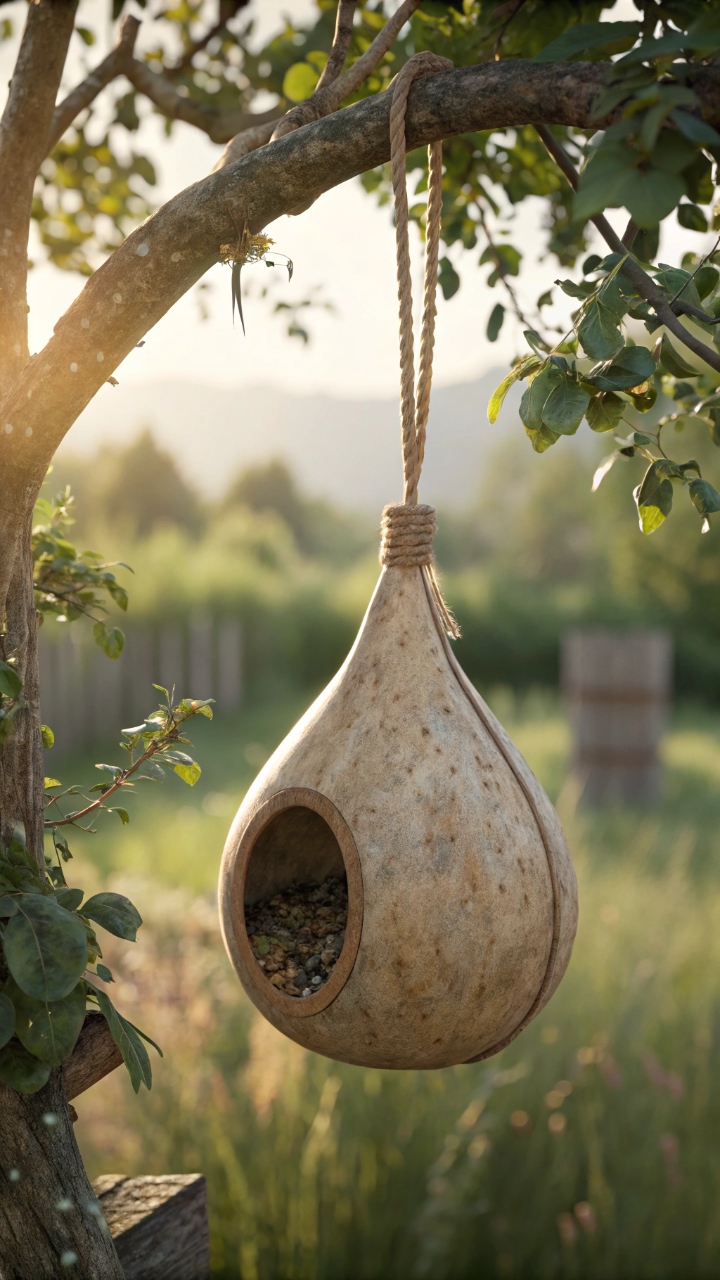
Dried gourds have this naturally artistic shape that feels almost sculptural, making them perfect for bird feeders. I once carved an opening into one and hung it near a tree, and it instantly became a focal point. Birds seemed curious at first, then quickly made it their go-to spot. Isn’t it amazing how unique shapes can attract attention so easily? Its organic form adds visual interest while blending seamlessly with nature, creating a balanced look. It’s both decorative and functional.
Pro Tip: Ensure the interior is fully cleaned and dried to prevent mold.
Bamboo Tube Feeder
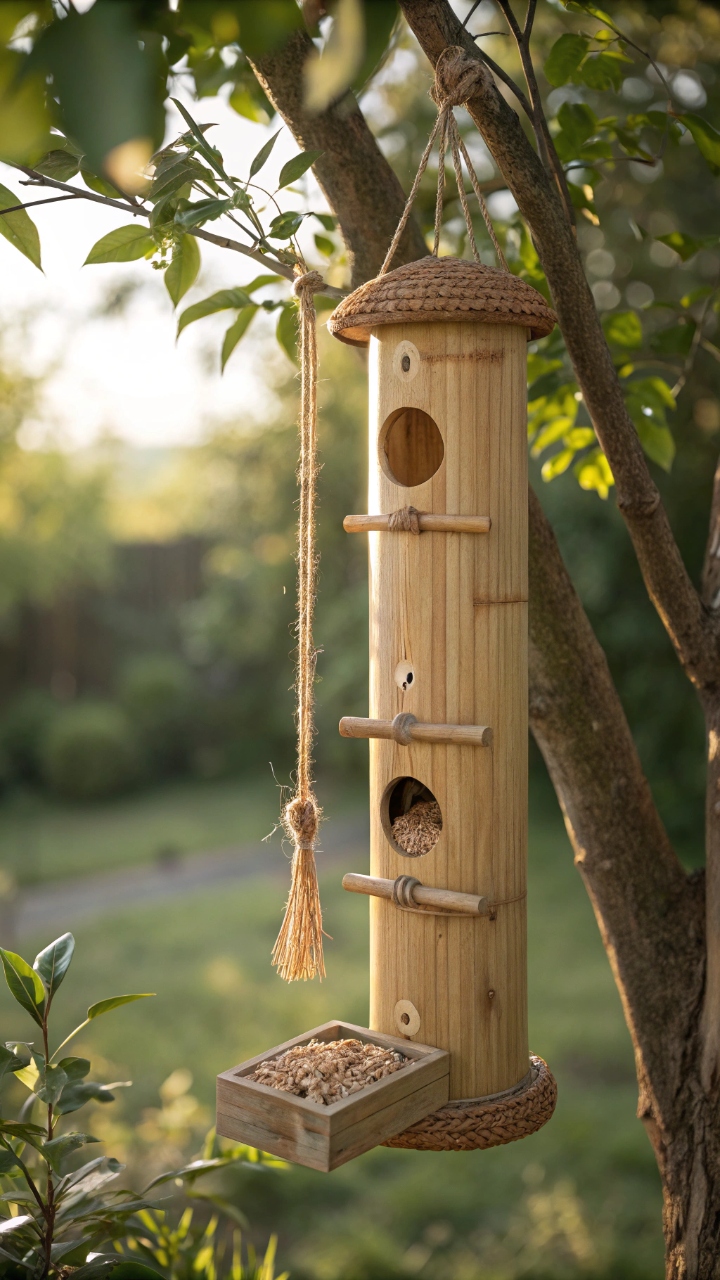
Bamboo has this clean, natural look that feels both minimal and rustic at the same time, which is honestly a pretty cool combination. I used a hollow bamboo piece, drilled feeding holes, and hung it vertically, and it created this sleek yet earthy vibe. Birds perched effortlessly, making it look like part of their natural habitat. Have you ever seen something so simple feel so intentional? Its lightweight and durable structure makes it ideal for outdoor use, especially in humid environments. It’s understated, but effective.
Pro Tip: Add small pegs below holes to act as perches.
Ladder Style Feeder
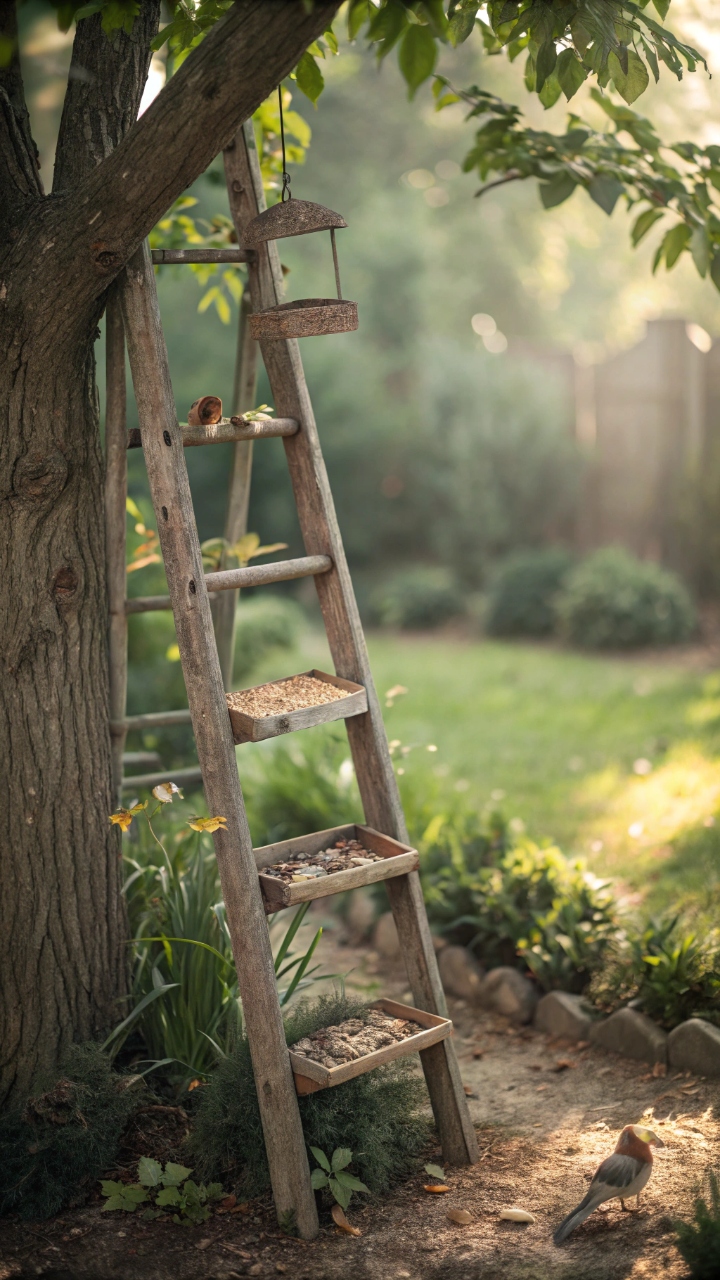
This one feels more like a decorative feature than just a feeder, especially when you lean a small wooden ladder against a tree and attach feeding spots along it. I tried this once, and it created a layered look that added depth and dimension to the garden. Birds moved from one level to another, which made the whole setup feel dynamic. Isn’t it fun when function meets design like this? The vertical layout maximizes space while adding visual structure, making your garden feel more curated. It’s creative, and honestly, pretty eye-catching.
Pro Tip: Secure the ladder firmly to prevent tipping.
Rustic Birdhouse Feeder Combo
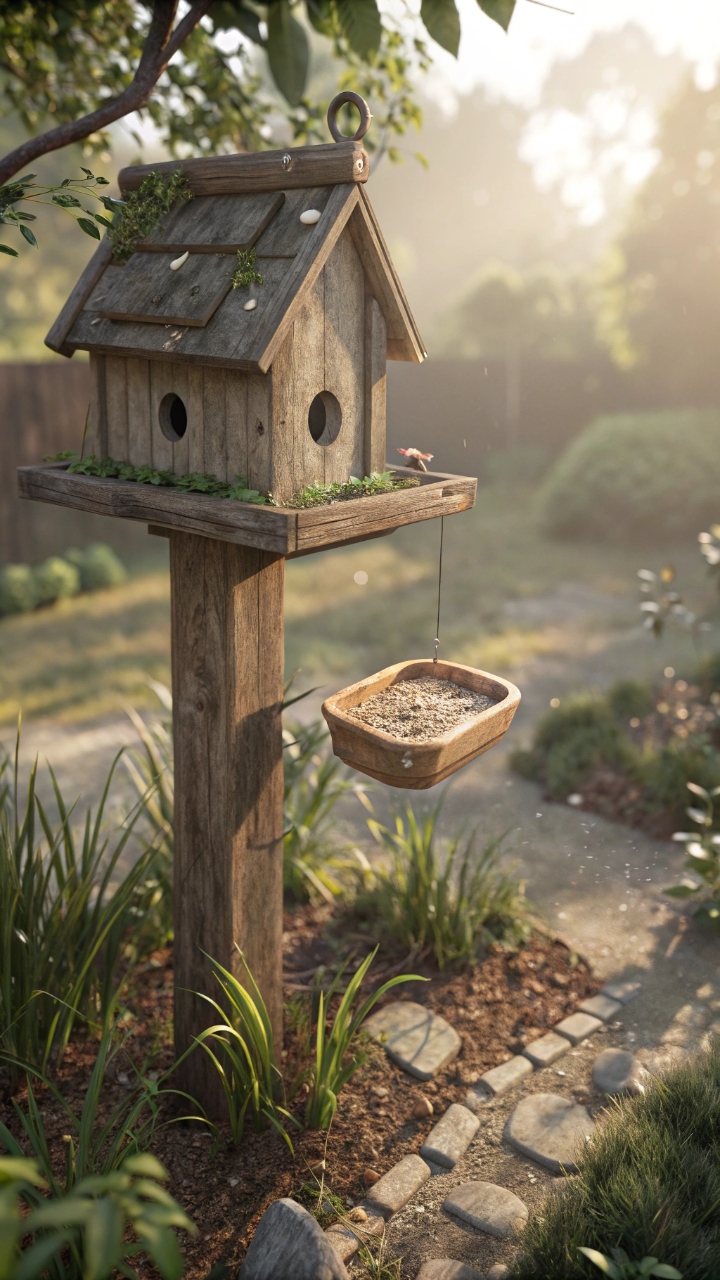
Combining a birdhouse with a feeder creates a cozy, all-in-one setup that feels incredibly inviting. I built one with a small feeding tray below the house, and it quickly became a favorite spot. It gave the impression of a complete habitat, which made the garden feel more alive and welcoming. Have you ever wanted to create a space that feels like a safe haven? The dual-purpose design adds both functionality and charm, making it a standout feature. It’s warm, it’s practical, and it tells a story.
Pro Tip: Place it in a quiet area to encourage birds to stay longer.
Conclusion
In the end, creating rustic DIY bird feeders isn’t just about decorating your garden, it’s about inviting life into it in the most natural, meaningful way possible. Each piece you make carries a bit of your creativity, your intention, and your connection to the space, turning something simple into something deeply personal. There’s something incredibly grounding about watching birds interact with something you built, like you’ve quietly become part of their world. And honestly, that feeling never really gets old.
What I’ve come to appreciate most is how these small additions can completely transform the atmosphere of a garden without needing anything elaborate or expensive. It’s not about perfection or matching aesthetics, it’s about creating moments, little pockets of life that make your space feel alive and evolving. So whether you start with a mason jar or go all in with a pallet wood build, just start somewhere, because once you do, you’ll see how quickly your garden begins to tell a richer, more beautiful story.